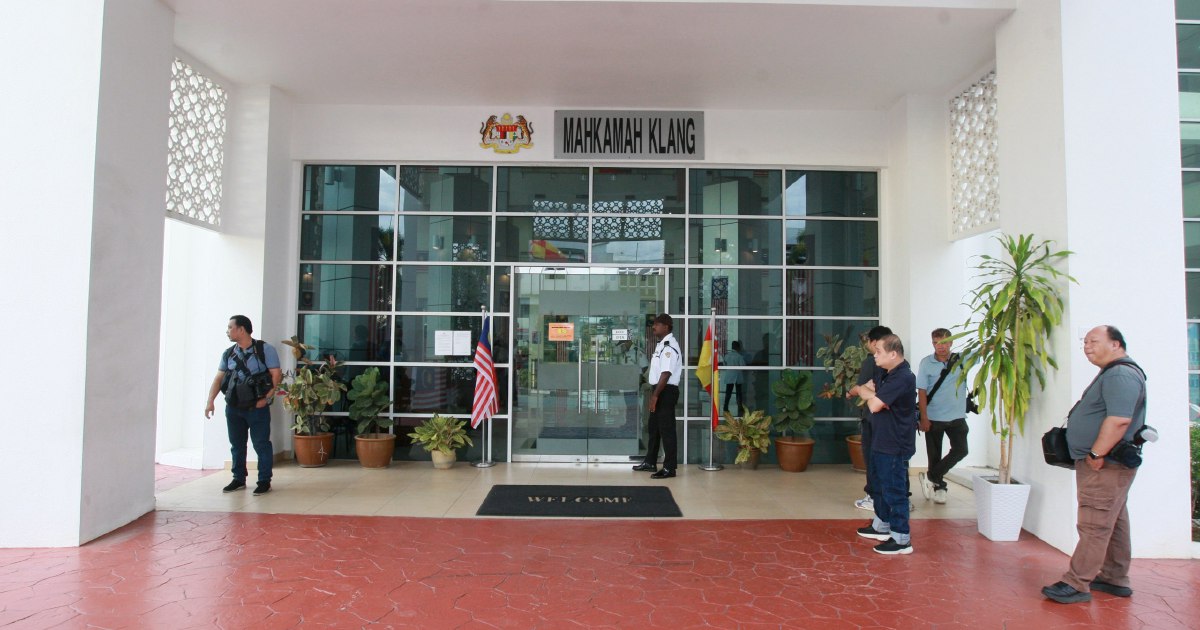
The Klang Sessions Court maintained an orderly atmosphere this morning as legal proceedings commenced against a 24-year-old individual accused in the case surrounding the death of Rocky, a dog whose case has captured public attention across Malaysia. Unlike cases that sometimes draw large gatherings, the court premises presented a surprisingly calm environment despite the high-profile nature of the animal welfare matter that has generated significant discussion online and among pet owners nationwide.
The case represents a notable moment in Malaysia's evolving approach to animal welfare and criminal accountability. As urbanisation accelerates across the Klang Valley and beyond, incidents involving animals increasingly intersect with the criminal justice system, prompting broader conversations about responsibility, negligence, and the protection of companion animals under Malaysian law. Rocky's case has emerged as a focal point for these discussions, reflecting growing public concern about how the justice system handles matters involving non-human victims.
The proceedings took place amid heightened awareness about animal rights advocacy in Southeast Asia. Malaysia, like neighbouring countries, has witnessed mounting pressure from civil society organisations and individual citizens to strengthen animal protection frameworks and ensure meaningful consequences for actions that result in animal deaths. The level of public interest in this particular case demonstrates how shifting social attitudes toward pet ownership and animal welfare are influencing the way communities respond to such incidents.
Charges being filed today mark an important step in the investigation that began following Rocky's death. The specific allegations brought against the accused will determine the scope of legal consequences and establish precedent for similar cases moving forward. Legal observers have noted that how Malaysian courts handle animal-related offences continues to evolve, with judges increasingly recognising the emotional and social dimensions of such cases beyond purely technical legal considerations.
The quiet atmosphere at the courthouse stood in contrast to the heated online discourse that has characterised much of the public discussion surrounding Rocky's case. Social media platforms have become the primary venue for expressions of outrage and demands for justice, with many Malaysians using these channels to voice their views on animal welfare and accountability. This distinction between the composed courtroom environment and the passionate digital conversation highlights broader patterns in how Malaysians engage with justice issues in the modern era.
For many residents of the Klang Valley and beyond, Rocky's case carries personal resonance. Pet ownership has become increasingly common across Malaysian households, particularly in urban areas where dogs and cats often serve as family members and emotional support animals. The case has prompted many to reflect on their own responsibilities as pet owners and the broader social contract regarding animal welfare. This personalisation of the issue likely contributed to the public's intensive monitoring of court proceedings.
The accused's legal representation and the prosecution's arguments will substantially shape how courts in Malaysia approach similar cases in the future. Whether the charges carry significant penalties or result in lighter sanctions will send important signals to the public about the seriousness with which the justice system treats animal welfare matters. Such outcomes influence not only individual behaviour but also broader social norms surrounding animal care and responsibility.
From a regional perspective, Malaysia's handling of the Rocky case will be observed by animal welfare advocates and legal professionals across Southeast Asia. Several countries in the region have recently strengthened their animal protection statutes, and Malaysia's approach—both through legislative updates and judicial interpretation—influences discussions happening elsewhere. The case thus carries implications extending beyond national borders, contributing to evolving regional standards for animal welfare protection.
The minimal crowd presence at the courthouse despite media interest suggests either coordinated public awareness about court decorum or possibly deliberate restraint by those following the case closely. Unlike some high-profile cases that generate spectacle, this morning's proceedings unfolded with administrative efficiency. This measured approach may actually serve the interests of justice more effectively, allowing courts to focus on legal substance rather than managing external pressure and public demonstrations.
As the charges are formally presented and the case progresses through the Malaysian legal system, observers will scrutinise both the evidence presented and the sentencing outcomes. The case will likely inform how animal welfare advocates strategise their efforts moving forward, and whether additional legislative measures become necessary to adequately protect companion animals. For Malaysian society more broadly, Rocky's case has already accomplished something significant: it has elevated animal welfare to a more prominent position in public consciousness and demonstrated that Malaysians care deeply about accountability when companion animals suffer harm.

