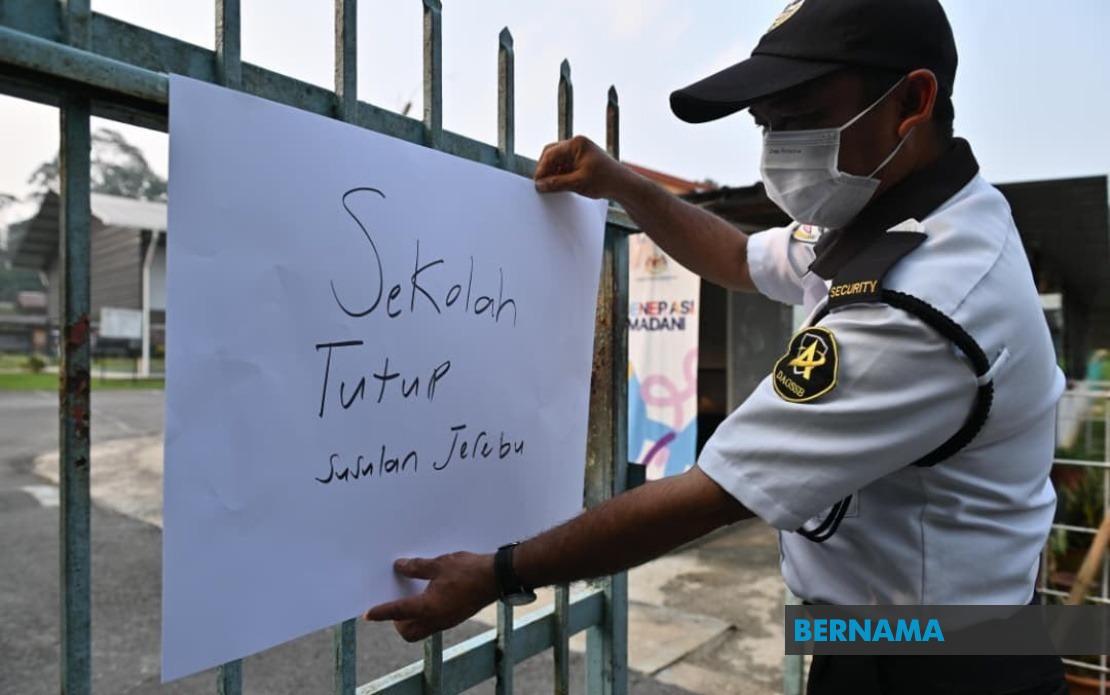
Authorities in Sarawak have extended the temporary closure of educational institutions across the Serian district through Friday, as hazardous air quality continues to affect the region. The Sarawak State Education Department made the decision following consultations with school principals and headmasters from both secondary and primary schools under the Serian District Education Office. The extension reflects growing concerns about the public health implications of deteriorating atmospheric conditions in the area, which shows no immediate signs of improvement.
The decision to prolong the shutdown came after careful deliberation with educational administrators who weighed the operational challenges and safety risks posed by the prevailing haze. By maintaining the closure, authorities aim to shield vulnerable populations—particularly students in boarding facilities—from prolonged exposure to polluted air. The measure recognises that school operations during hazardous air quality episodes create logistical complications for parents, educators, and young learners, who would face uncomfortable and potentially harmful conditions during daily commutes and classroom activities.
According to the Air Pollution Index Management System, Serian recorded an API reading of 178 as of 4 pm on August 13, placing the district squarely in the unhealthy category. This threshold indicates that members of the general population may experience health effects, while individuals with respiratory conditions or cardiovascular vulnerabilities face more serious risks. The unhealthy classification is attributed to cross-border transboundary haze, a recurring seasonal phenomenon in Southeast Asia driven by agricultural burning and forest fires in neighbouring regions, particularly during the dry season.
The reliance on API monitoring underscores the critical role of real-time air quality data in public health decision-making. Schools and educational institutions are now instructed to continuously reference the APIMS system to track pollution levels in their respective areas. This approach delegates responsibility to individual institutions while ensuring that closures remain responsive to actual atmospheric conditions rather than being based on fixed schedules. However, the system requires active engagement from school administrators who must regularly check updated readings and communicate promptly with parents and staff.
For Malaysian states neighbouring Sarawak and those in Peninsular Malaysia's northern regions, the Serian situation serves as a reminder of transnational environmental challenges. Cross-border haze does not respect political boundaries, and the phenomenon has historically affected multiple states simultaneously. The willingness of Sarawak authorities to extend closures demonstrates a precautionary approach that prioritises health over scheduling rigidity, a standard that other state education departments monitor closely during haze episodes. This flexibility becomes especially important in regions with significant student populations in residential schools.
The extension also reflects lessons learned from previous haze episodes in the region. Boarding school students face particular vulnerability because they cannot simply return home during poor air quality days, and extended outdoor activities remain necessary regardless of atmospheric conditions. By preemptively extending closure periods, authorities avoid the complications of sudden mid-week decisions that create confusion for families who may have made travel arrangements or childcare plans based on earlier announcements.
Communication remains a key component of the response strategy. The education department has committed to updating stakeholders regularly as conditions evolve, recognising that parents, teachers, and administrators require clarity regarding operational status. The statement's emphasis on keeping all parties informed addresses a common frustration from previous haze crises when announcements arrived late or contradictory information circulated. Clear, timely communication reduces panic and allows families to plan accordingly.
The air quality challenges facing Serian raise broader questions about educational continuity in Southeast Asia's haze-prone regions. Schools must develop contingency plans for delivering instruction during extended air quality emergencies, whether through online learning platforms or alternative scheduling. The increasing frequency and severity of haze episodes—attributed partly to climate change and expanding agricultural development in the region—suggest that such disruptions will become more common rather than exceptional events requiring ad hoc responses.
From a regional perspective, the Serian closure highlights the interconnectedness of environmental and public health issues across Southeast Asia. Air quality deterioration in one jurisdiction inevitably affects neighbours, yet coordinated transnational responses remain underdeveloped. Malaysia, Indonesia, and Brunei have signed environmental cooperation agreements, but enforcement mechanisms and joint monitoring systems require strengthening. Individual state-level decisions like Sarawak's closure demonstrate responsible governance, yet comprehensive regional solutions demand higher-level diplomatic engagement and shared commitment to addressing root causes of transboundary pollution.

