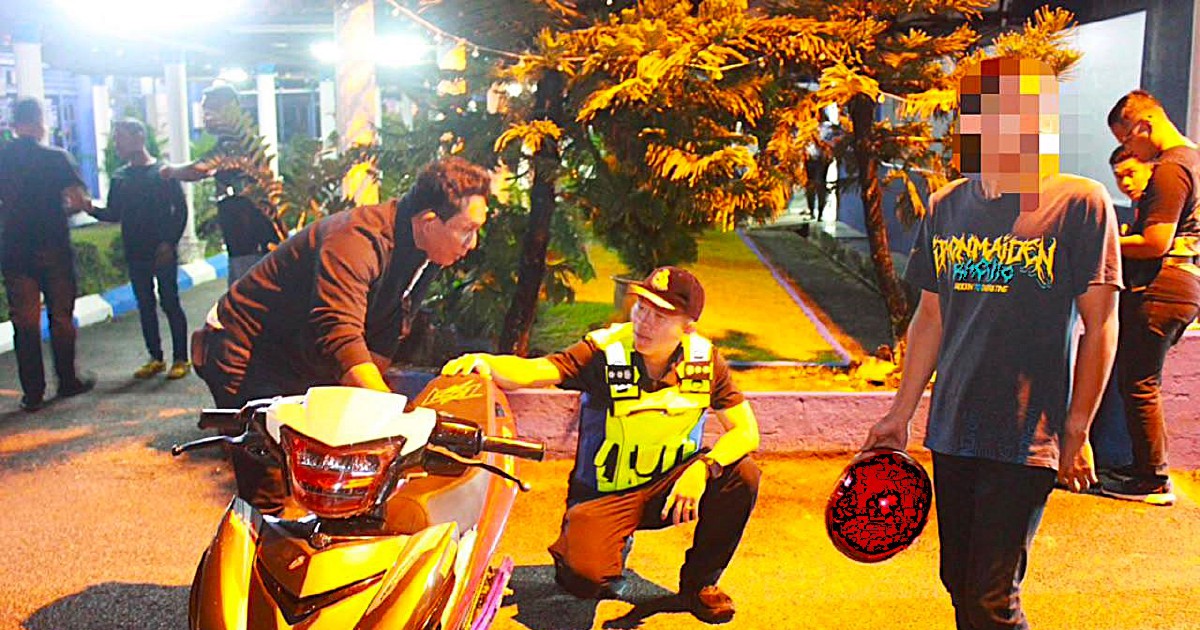
Police in Klang launched a targeted crackdown on illegal street racing activities in the early hours of the morning, resulting in the seizure of seven motorcycles and the opening of an investigation against one rider for dangerous and reckless driving. The operation reflects mounting concerns about unregulated racing activities that have become increasingly prevalent in urban areas across the Klang Valley, posing significant safety risks to both riders and the general public.
The special enforcement operation was conducted as part of a broader strategy by the Royal Malaysia Police to combat motorcycle-related criminal activities and traffic violations that frequently occur in residential and commercial areas during late-night hours. Street racing has emerged as a persistent problem in Malaysian cities, with riders often using public roads without regard for other motorists or pedestrians, creating hazardous conditions that can result in serious injuries and fatalities.
The seizure of the seven motorcycles represents a significant material loss for those involved in the illegal activity and underscores the legal consequences that street racers face when apprehended. Beyond the immediate loss of vehicles, riders can face substantial fines, license suspension, and criminal charges that may carry jail sentences. The investigation opened against the specific rider for reckless and dangerous driving suggests that the conduct involved in this particular incident was deemed sufficiently egregious to warrant formal legal proceedings.
For residents of the Klang area, such enforcement operations provide a measure of relief from the noise pollution and safety concerns that street racing generates. Illegal racing events, often organized through social media networks and private messaging groups, typically occur late at night or in the early morning hours when traffic is lighter. However, the unpredictability and high speeds involved create genuine risks even on less congested roads, particularly in areas with pedestrian activity.
The timing of operations like this one—conducted early in the morning—suggests that police have gained intelligence about the patterns and locations where street racing most frequently occurs. Effective enforcement against these activities requires not only reactive responses to incidents but also proactive intelligence gathering and strategic placement of personnel. The success of this morning's operation indicates that Klang police have invested in identifying hotspots and coordinating resources to intercept participants before dangerous situations escalate.
The confiscation of motorcycles serves multiple purposes within the enforcement framework. Beyond deterring individual offenders, it removes vehicles that may have been modified for racing performance, potentially causing additional traffic violations including excessive noise emissions. Many street racing motorcycles feature aftermarket exhaust systems that breach noise pollution regulations and disturb residential communities, making their removal beneficial for local residents.
This crackdown also highlights the broader challenge facing Malaysian authorities in managing motorcycle culture, which has substantial legitimate recreational and commercial dimensions. The vast majority of motorcycle enthusiasts operate within legal boundaries, utilizing designated racing tracks and adhering to traffic regulations. Authorities must therefore balance firm enforcement against illegal activities with recognition of lawful motorcycle use and ownership, ensuring that legitimate riders are not unfairly targeted or discouraged.
From a regional perspective, Malaysia's experience with illegal street racing mirrors challenges faced by other Southeast Asian nations, particularly Singapore, Thailand, and Indonesia. Coordinated approaches to enforcement, including vehicle impoundment, license suspension, and criminal penalties, have become standard across the region. However, the persistence of such activities despite these measures suggests that enforcement alone may be insufficient without broader community engagement and alternative outlets for motorcycle enthusiasts.
The role of social media in organizing and promoting street racing events has complicated enforcement efforts across Malaysia. Racing groups coordinate through private channels, making it difficult for authorities to predict activities and deploy resources effectively. The successful operation in Klang may indicate that police are developing better intelligence capabilities in this space, potentially through collaboration with social media platforms or informant networks within the racing community.
Looking forward, sustained reduction in street racing will likely require a multifaceted approach combining enforcement with public awareness campaigns highlighting safety risks and legal consequences. Providing sanctioned venues and organized racing events with appropriate safety measures may also reduce the appeal of dangerous illegal activities. The Klang operation represents one enforcement action, but addressing this phenomenon systemically will require continued commitment from police, cooperation from community members willing to report illegal activities, and engagement with the broader motorcycling community to redirect enthusiasm toward legal channels.

