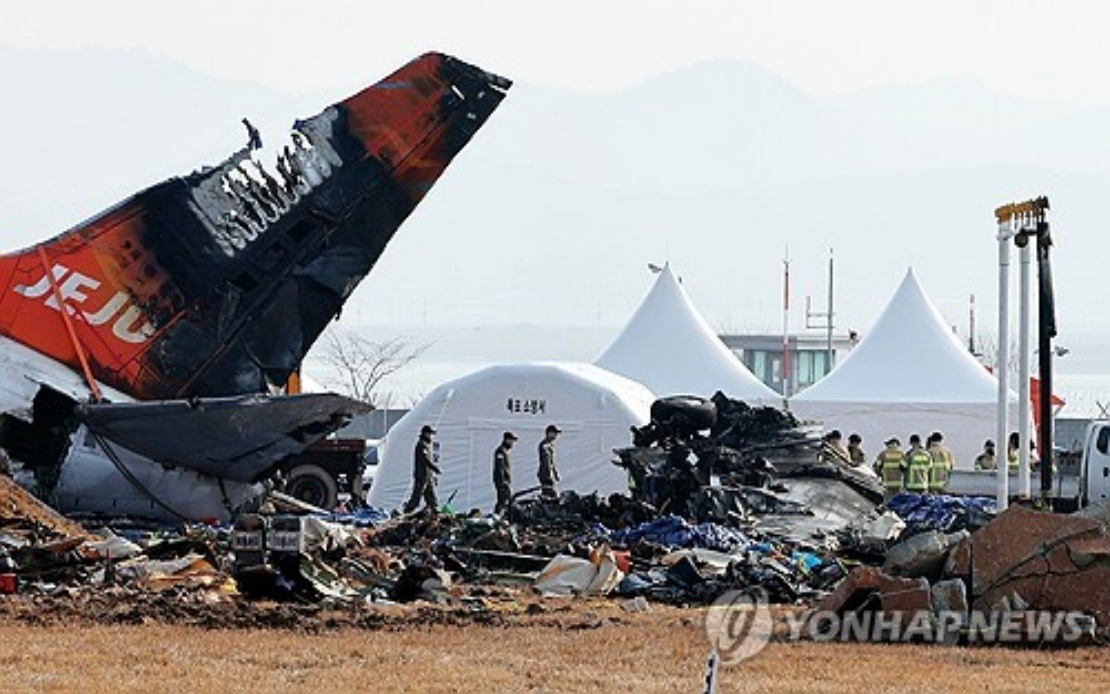
A major transparency violation has emerged from the investigation into South Korea's deadliest aviation disaster in decades. Seven officials working within the transport ministry have been forwarded to prosecutors by police investigators, accused of systematically obscuring dangerous maintenance failures that directly contributed to a catastrophic plane crash. The referral, announced by a special police investigation unit on Wednesday, marks a significant escalation in the accountability phase of the Jeju Air tragedy, which unfolded just before the year's end and exposed potential institutional failures beyond the flight crew's actions.
The Jeju Air accident occurred on December 29, 2024, when a Boeing 737-800 executing an emergency belly landing at Muan International Airport—situated roughly 290 kilometres south of Seoul—struck a concrete structure housing a localiser system. The impact resulted in 179 fatalities among passengers and crew, making it the most devastating aviation incident on the Korean peninsula in recent memory. The specific collision with the concrete mound raises uncomfortable questions about infrastructure design and regulatory oversight, issues that have now prompted a formal criminal investigation targeting the officials responsible for safety certifications.
At the heart of the inquiry lies the localiser, a critical instrument landing system that provides precision guidance to pilots during low-visibility approaches and emergency procedures. Following the crash, technical analyses and media scrutiny focused intensely on whether the navigation equipment's placement within the protective concrete barrier—intended to shield it from aircraft damage—actually created a secondary hazard. This architectural paradox has become central to understanding how the crash resulted in such a high casualty count, as the collision with the reinforced structure caused catastrophic damage compared to what an unobstructed landing belly might have achieved.
The allegations against the seven officials represent institutional deception of the most serious kind. According to the special investigation team's findings, these individuals knowingly drafted and released official statements asserting that the localiser complied fully with regulatory installation standards, despite possessing clear evidence that it did not meet mandated specifications. This action constitutes administrative misconduct and potential obstruction of safety processes, since accurate reporting of equipment deficiencies is foundational to aviation safety culture. By misrepresenting compliance status in press releases—documents designed to shape public understanding—they allegedly hindered transparent discussion of systemic vulnerabilities.
The timing of the referral is significant within South Korea's governance framework. The investigation has proceeded methodically through documentation review, interviews with ministry personnel, and analysis of communication records. Police investigators determined that the cover-up was deliberate rather than accidental, a distinction that carries weight in determining appropriate prosecution charges. The forwarding of the case to prosecutors opens the door to potential charges ranging from negligence to falsification of official records, depending on how severely the prosecutors view the culpability of each official.
Regional aviation observers and safety regulators have taken particular interest in this case because it demonstrates how organisational pressure and bureaucratic inertia can compromise safety standards even in developed nations with sophisticated regulatory frameworks. South Korea maintains one of the world's most modern aviation systems, yet institutional failures allowed a known deficiency to persist and contribute to tragedy. This pattern resonates across Southeast Asia and the wider region, where rapid aviation growth sometimes strains regulatory capacity and oversight mechanisms.
The implications for Malaysia and other regional aviation markets merit close examination. As countries like Malaysia continue expanding their aviation infrastructure and aircraft fleet operations, the Jeju Air case underscores the critical importance of transparent safety reporting and robust internal audit mechanisms within transport ministries. Regulators must resist organisational pressure to present equipment and procedures as compliant when discrepancies exist. The incentive structure within government agencies—where admitting problems may invite criticism—can create dangerous blind spots unless safeguards are firmly established.
The prosecution phase will likely involve extensive documentation of who knew what and when knowledge existed. Investigators will need to establish whether the officials acted under direct instruction from superiors, whether they independently made decisions to misrepresent facts, or whether they followed established patterns of sanitised reporting that had become normalised within the ministry. These distinctions matter legally, though from a public accountability perspective, all represent failures of institutional integrity that demand reform.
South Korea's willingness to refer government officials for prosecution sends an important signal about accountability in aviation governance. Many countries struggle to pursue officials vigorously when accidents intersect with bureaucratic culpability, preferring to focus blame on individual pilots or mechanical failures. However, sustainable aviation safety requires identifying and correcting the systematic factors that allowed dangerous conditions to persist. The Jeju Air referrals suggest South Korean authorities recognise this principle.
Looking forward, this case will likely influence how regulators across the region approach safety compliance reporting and documentation. It demonstrates that falsifying official statements about equipment status carries serious consequences, potentially deterring similar cover-ups elsewhere. For Malaysian aviation authorities and those in neighbouring countries, the lesson is clear: building safety culture requires creating environments where reporting problems is rewarded rather than punished, and where transparent communication about equipment deficiencies is treated as professional responsibility rather than bureaucratic failure.

