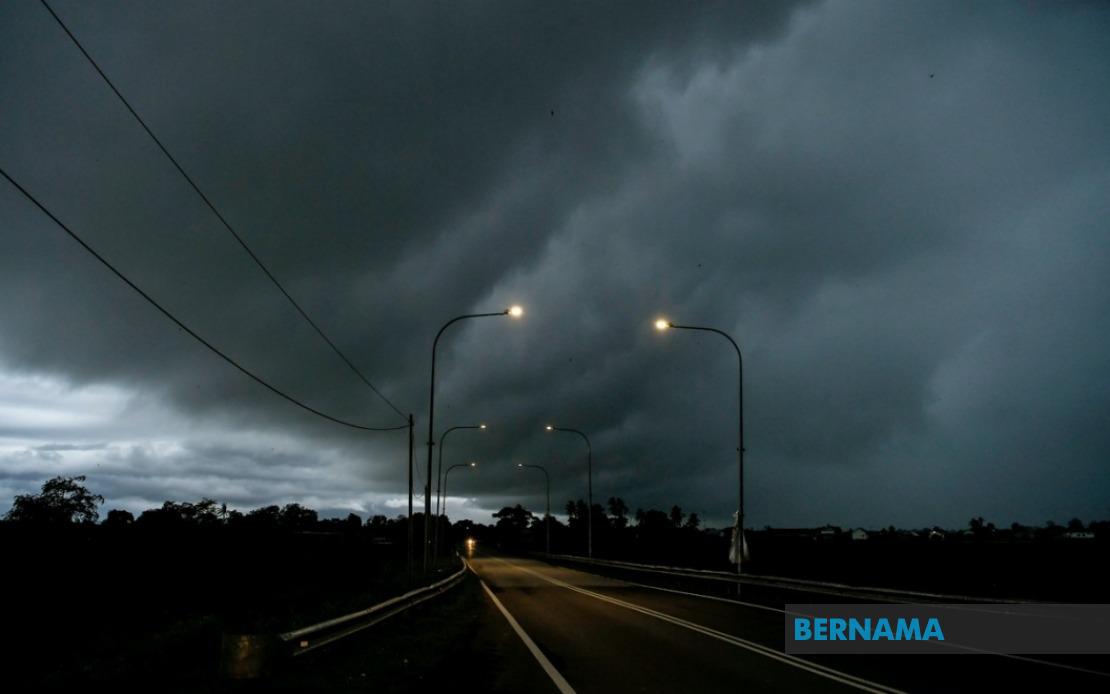
Malaysia's weather authorities have put multiple regions on alert as atmospheric conditions favour the development of severe thunderstorms and torrential downpours across the country. The Malaysian Meteorological Department issued the advisory on July 8, cautioning residents in affected areas to prepare for potentially hazardous weather patterns persisting until noon that day.
The geographical scope of the warning stretches across three major regions of Malaysia, encompassing both densely populated urban centres and rural districts. In Peninsular Malaysia alone, the warning covers a substantial portion of the northern and central regions, reflecting the widespread nature of the anticipated weather system. The fact that multiple states simultaneously face similar conditions suggests a coherent meteorological phenomenon rather than isolated convective activity, likely driven by seasonal monsoon patterns or a passing weather front.
In the northern state of Kedah, four distinct districts face the prospect of severe weather. Kuala Muda, Baling, Kulim and Bandar Baharu are all bracing for thunderstorms accompanied by heavy precipitation and gusty winds. The commercial and agricultural importance of these areas means disruptions could affect economic activity, from transportation networks to farming operations dependent on weather-sensitive scheduling. The entirety of Penang, a major economic and demographic hub with over 1.7 million residents, also falls under the warning, signalling that the state's urban infrastructure and daily operations may experience interference.
Perak's eastern districts—including Kerian, Larut, Matang, Selama, Manjung and Bagan Datuk—similarly anticipate turbulent weather. This region's significance extends beyond its residential population to include important industrial zones and agricultural hinterlands. Rompin in Pahang and the twin municipalities of Jempol and Tampin in Negeri Sembilan round out the central region coverage, while Melaka in its entirety joins the list of areas expecting disruption.
Southern Johor bears particular attention given its substantial population concentration and role as a major commercial corridor. The warning explicitly names six separate districts: Tangkak, Segamat, Muar, Kulai, Kota Tinggi and Johor Bahru. Johor Bahru, as the state capital and one of Malaysia's largest cities, hosts critical infrastructure and high traffic volumes that could be significantly impacted by severe weather. Disruptions in this area ripple through the broader region, affecting cross-border commerce with Singapore and supply chains extending throughout the southern peninsula.
On the island of Borneo, the Malaysian meteorological authority extends its warning to Sarawak's divisions. Tatau and Bintulu in Bintulu Division, along with Subis, Miri and Marudi in Miri Division, should anticipate similar weather conditions. These areas, though less densely populated than peninsula counterparts, support significant resource extraction and agricultural industries where weather-related work stoppages carry substantial economic consequences. The Federal Territory of Labuan, strategically positioned as an international financial centre, also features in the warning, suggesting weather disruptions could affect cross-border financial services and maritime operations.
The meteorological department's emphasis on three specific hazards—thunderstorms, heavy rainfall and strong winds—underscores the multifaceted nature of the threat. Thunderstorms bring lightning risks that endanger life and infrastructure. Heavy rain raises flooding risks, particularly in low-lying urban areas and river systems already saturated from previous precipitation. Strong winds, often reaching damaging speeds during severe thunderstorm development, pose hazards to loose structures, vehicles and outdoor activities. Together, these elements create conditions where public safety and essential services face genuine challenges.
Weather advisories of this breadth typically reflect either a broad-based monsoon trough affecting multiple states or the passage of a significant weather system across the peninsula and offshore regions. For Malaysian residents accustomed to tropical weather patterns, such warnings have become routine during certain seasons, yet the specificity of named districts indicates meteorologists have identified genuine trigger points for convective development rather than issuing blanket precautions.
MetMalaysia's recommendation that the public remain vigilant regarding atmospheric changes and consult official updates reflects standard protocols for managing weather-related risks. During periods of severe weather, accurate, timely information from authoritative sources proves essential for public decision-making around travel, work schedules and outdoor activities. Residents in affected areas would be wise to monitor conditions closely, particularly those engaged in weather-sensitive occupations or living in flood-prone locations.
The practical implications extend beyond immediate weather inconvenience. Schools and offices may face disruptions, transportation networks could experience delays, and outdoor events require rescheduling. Farmers and fishermen operating in affected regions must make time-sensitive decisions about postponing field work or maritime operations. For businesses relying on just-in-time logistics or customer foot traffic, weather disruptions create operational and financial challenges that compound across supply chains.
For Malaysian and Southeast Asian readers, such weather alerts exemplify the region's vulnerability to atmospheric volatility driven by monsoon cycles and tropical storm systems. Infrastructure planners and policy makers increasingly recognize that climate resilience requires not merely weather prediction but systemic adaptation—from drainage systems designed for intensified rainfall to early warning mechanisms reaching vulnerable populations. The frequency and severity of such warnings underscore why meteorological services remain critical public health and safety institutions deserving sustained investment and public engagement.

