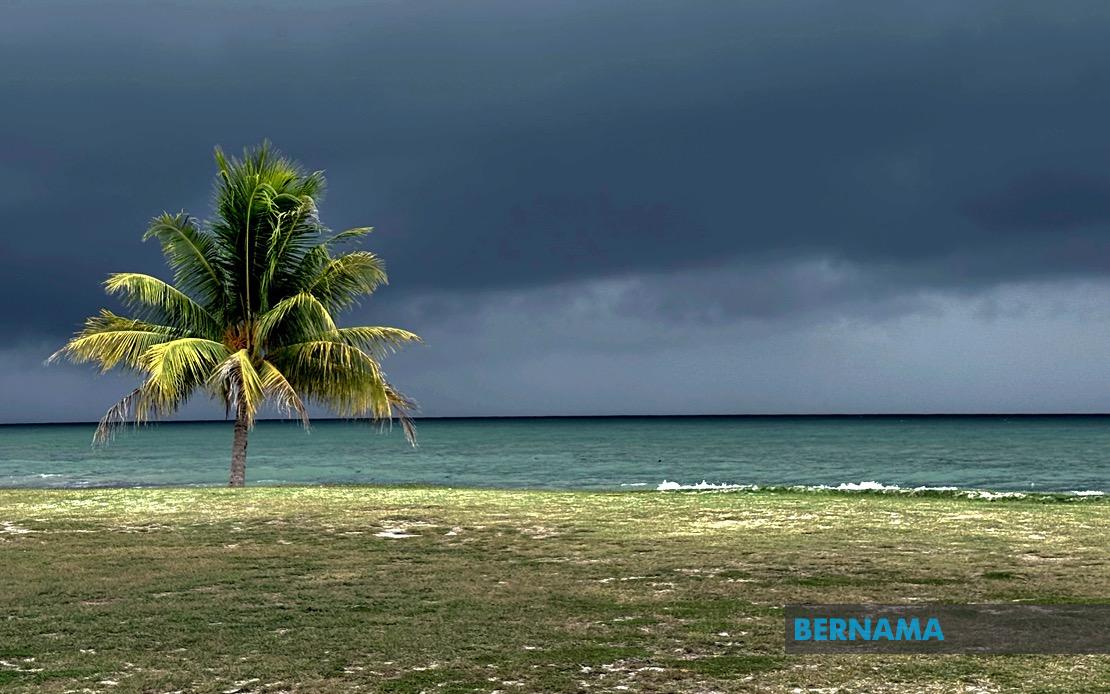
Residents and travellers across Malaysia's east coast and parts of Borneo are being advised to exercise caution as the Malaysian Meteorological Department issues an alert for dangerous weather conditions spanning several states and districts. The warning, which remains in effect until 11 pm, encompasses a broad geographic area prone to afternoon convective activity during the monsoon transition period, affecting both Peninsular Malaysia and the island states.
On the peninsular eastern seaboard, the primary concern centres on three states. Kelantan faces the most extensive threat, with warnings covering the population centres of Kota Bharu, Bachok, Machang and Pasir Puteh. The department has simultaneously flagged Kemaman in neighbouring Terengganu, while Pahang residents in Jerantut, Temerloh, Maran and Kuantan should also prepare for unstable atmospheric conditions. These districts, collectively home to millions of people and spanning critical economic zones including agricultural areas and urban centres, may experience disruption to daily activities and transportation networks.
The anticipated weather system carries three principal hazards. Thunderstorms represent the immediate danger, bringing sudden electrical activity that poses risks to outdoor workers and recreational users. Heavy rainfall, the second component, carries potential for flash flooding in low-lying areas and along river systems, particularly concerning given the terrain of Peninsular Malaysia's east coast where communities often cluster in flood-prone river valleys. Strong winds accompanying these storms could damage structures, uproot trees, and disrupt power supplies, compounding challenges for affected residents.
Beyond the peninsula, Malaysian Borneo also faces weather disruptions. In Sarawak, authorities have extended the warning to Limbang district, specifically the Lawas area, suggesting that the atmospheric disturbance affecting the broader region extends into northern Sarawak. The warning becomes even more widespread in Sabah, encompassing three distinct geographic zones. The interior regions of Nabawan and Keningau may experience severe conditions, while the mountainous west coast district of Ranau—home to popular tourist destinations and agricultural communities—faces similar threats. Coastal Sandakan division, encompassing Tongod, Telupid, Beluran and Sandakan itself, rounds out the advisory.
The geographic spread of this warning reflects the scale and intensity of the atmospheric system generating these conditions. East Malaysia's geography, characterised by mountainous terrain and long coastlines, makes it particularly vulnerable to severe weather systems, especially those developing over surrounding waters. The timing of this warning during the monsoon transition period aligns with typical meteorological patterns that bring increased convective activity to these regions.
For residents in affected areas, the practical implications are significant. Farmers and agricultural workers should secure equipment and livestock. Fishermen operating from coastal communities should avoid venturing to sea. Transportation authorities may implement speed restrictions or close certain routes if visibility deteriorates significantly. Businesses dependent on reliable electricity face potential operational disruptions. Schools and institutions in affected districts should have contingency plans, particularly given that such events can escalate rapidly with minimal warning.
The Malaysian Meteorological Department's explicit delineation of specific districts reflects the precision increasingly possible through modern weather monitoring technology. Rather than issuing broad state-level warnings that may unnecessarily alarm unaffected communities, the targeted approach allows residents and authorities to focus resources and preparations on genuinely threatened areas. This represents a refinement in public weather communication that enhances both preparedness and public confidence in meteorological warnings.
For travellers and those planning movement across these regions, the warning necessitates flexibility and contingency planning. Major highways and routes passing through these districts may experience congestion due to reduced visibility, water accumulation on road surfaces, or debris obstruction. Air and sea transport may also face delays or cancellations, particularly if weather intensifies beyond current forecasts. Those with essential travel should monitor updates continuously rather than relying solely on initial warnings.
The evening deadline of 11 pm represents a forecast endpoint based on current atmospheric modelling, though actual conditions may vary. Residents should remain alert to official updates from MetMalaysia, as severe weather systems can either intensify or dissipate faster than anticipated. Local authorities and emergency response teams across the affected states have likely already activated preparedness protocols, including positioning rescue resources and ensuring communication channels remain operational.
Historically, such weather events across Malaysia's east coast have triggered flood events affecting thousands, damaged crops worth substantial sums, and occasionally claimed lives. While not all thunderstorm warnings escalate to major disasters, the precautionary approach adopted by meteorological authorities reflects lessons learned from past incidents. Public responsiveness to these warnings, combined with adequate emergency infrastructure, significantly reduces potential harm from severe weather systems.

