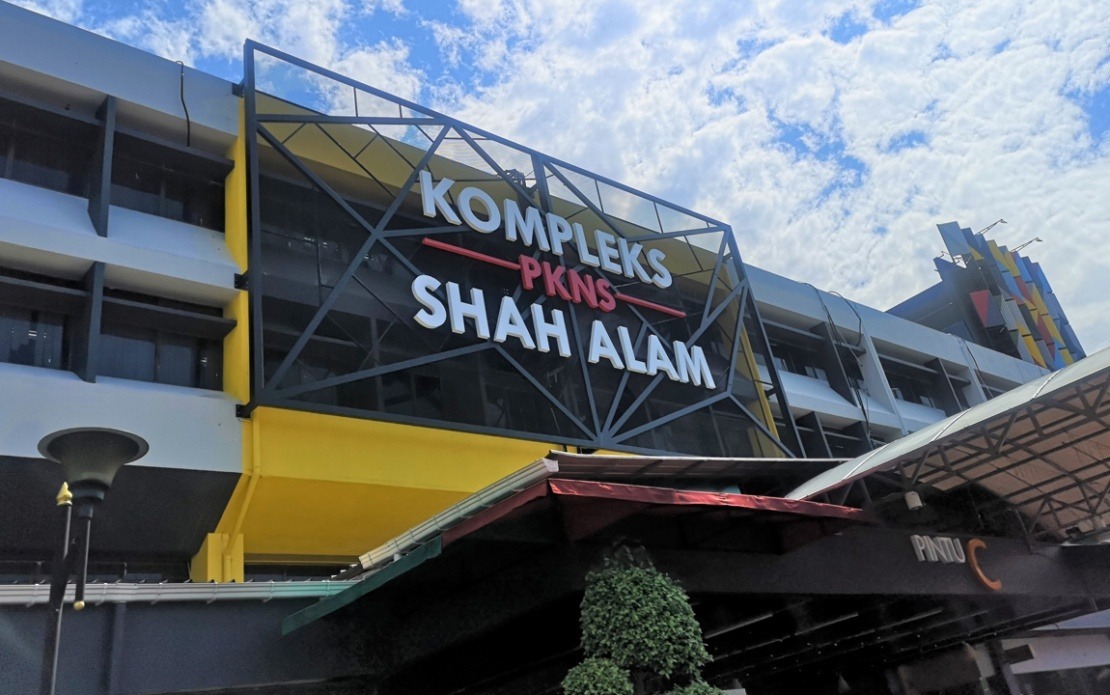
The Selangor State Development Corporation (PKNS) has given the all-clear for the Shah Alam PKNS Complex to resume full operations following a fire incident that forced temporary closure on July 2. The complex reopened on July 3 after the facility management team completed comprehensive safety inspections and ensured all required protocols had been met to protect the interests of visitors, tenants, and employees occupying the premises.
According to preliminary findings conducted by the building's facility management personnel, the fire originated within the Air Cooled Package Unit (ACPU) panel situated inside an Air Handling Unit (AHU) room on the first floor. This confined origin point allowed emergency responders to act with precision in containing the blaze before it could spread to adjacent areas or other sections of the complex. The discovery of the fire's precise location within mechanical systems underscores the importance of regular maintenance and monitoring of critical building infrastructure in large commercial facilities.
In immediate response to the fire outbreak, management made the strategic decision to cut electricity supply and disable the air-conditioning system within the affected zone as a precautionary measure to prevent any potential escalation or reignition. This swift action, whilst creating temporary inconvenience for occupants, formed a crucial part of the emergency containment strategy. The complex management simultaneously activated its emergency protocols, utilizing the building's public address system to order a controlled evacuation of Phase 1, ensuring an orderly and safe exit for all individuals in the immediate vicinity.
The Selangor Fire and Rescue Department demonstrated effective crisis response by bringing the fire under control within a remarkably short timeframe, effectively preventing it from advancing to other sections of the building. This rapid intervention prevented what could have been a significantly more damaging incident affecting a broader area of the commercial complex. The fire service's swift mobilization and efficient suppression efforts highlighted the value of having well-trained emergency teams stationed strategically across the state.
Selangor's fire and rescue operations commander Ashrul Riezal Asbar confirmed on July 2 that the fire had been successfully contained and that the incident resulted in zero casualties. This outcome reflects both the effectiveness of the emergency response procedures in place at the complex and the quick decision-making by on-site management teams. The absence of injuries or fatalities, despite the unexpected nature of such incidents, demonstrates that adequate safety protocols can make a meaningful difference in protecting occupants during building emergencies.
The Fire Department continues its ongoing investigation to determine the underlying cause of the fire with greater precision. Preliminary findings point to the mechanical ACPU panel as the fire's origin point, but investigators will examine factors such as equipment malfunction, electrical faults, maintenance lapses, or manufacturing defects that may have contributed to ignition. The investigation's findings will likely result in recommendations for the complex's management and potentially inform safety standards across the commercial property sector in Selangor.
For Malaysian commercial property operators and facility managers, this incident carries important lessons about the vulnerabilities that exist within mechanical and HVAC systems. Air handling units and their associated components operate continuously in modern buildings, generating heat and moving air at high volumes, creating environments where electrical or equipment failures can rapidly develop into fire hazards if not properly maintained. Regular inspections, scheduled preventive maintenance, and updated safety protocols represent essential investments rather than optional expenses.
The Shah Alam PKNS Complex, as a significant commercial hub in Selangor's business landscape, serves as home to numerous enterprises and attracts thousands of daily visitors. The swift restoration of operations following the fire demonstrates management's confidence in the facility's safety systems and their ability to respond to emergencies effectively. However, this incident will likely prompt facility operators across Malaysia to review their own emergency preparedness, maintenance schedules, and staff training to ensure comparable readiness.
The incident also underscores the critical role that professional fire and rescue services play in protecting commercial infrastructure and public safety in Malaysia's major urban centers. The state's fire department's rapid response and containment capabilities prevented what could have been a far more serious situation with consequences extending beyond the immediate building to surrounding structures and the wider business community. Investment in emergency services infrastructure and personnel remains a public safety priority that generates measurable returns in crisis situations.
Looking forward, facility managers at the PKNS Complex and comparable commercial properties will likely intensify focus on mechanical system monitoring and maintenance protocols. Modern building management systems that can detect anomalies in equipment performance, coupled with regular professional inspections, offer layers of protection against equipment failures that lead to fire incidents. The incident serves as a reminder that even in well-maintained facilities, unexpected equipment failures can occur, making robust emergency response procedures and comprehensive evacuation training essential safeguards.

