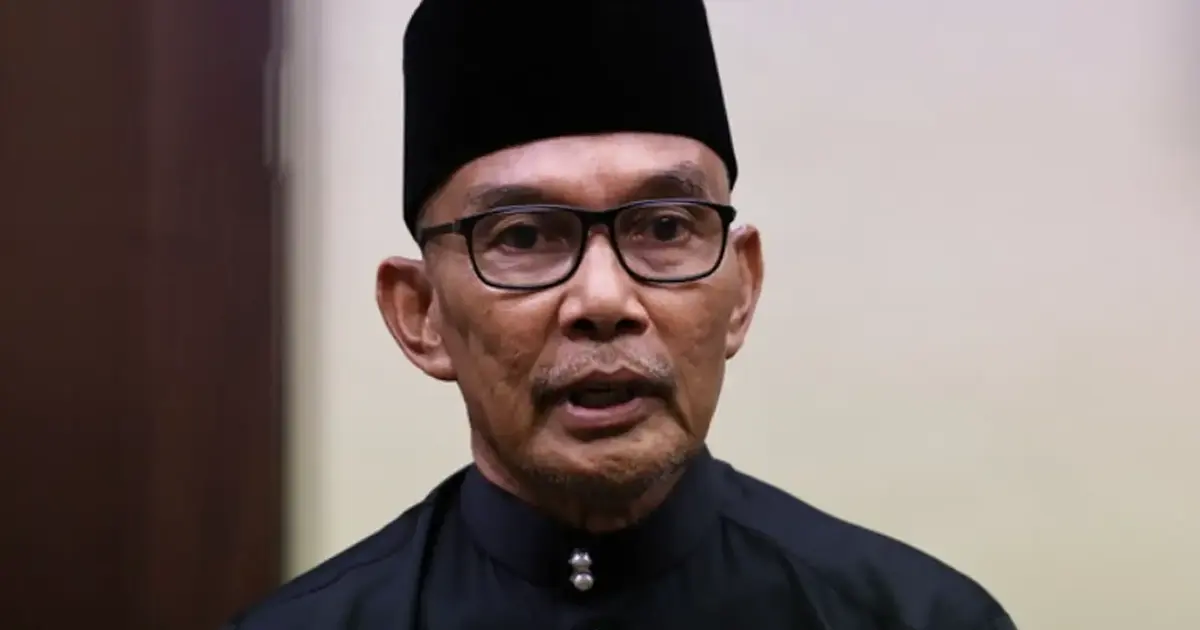
Shukri, the former menteri besar of Perlis, has moved to quell speculation about his intentions following his removal from the top state post, insisting he has not encouraged party members to abandon PAS activities or undermine the organisation's capacity. His remarks come amid growing scrutiny of his conduct since losing his position, with critics questioning whether his discontent might translate into destabilising actions within the party structure.
The statement represents a calculated effort to manage the narrative surrounding his political standing. Shukri's acknowledgment that he remains emotionally wounded by the circumstances of his departure suggests simmering tension beneath the surface, yet his explicit denial of orchestrating any grassroots revolt signals an attempt to preserve his credibility and standing within PAS ranks. This balancing act reflects the delicate position occupied by senior figures who exit office under contested circumstances in Malaysian politics.
In Malaysian political culture, when senior politicians lose their positions unexpectedly, questions inevitably arise about their next moves. The departure itself becomes a watershed moment, with observers and rivals scrutinising whether the ousted figure will accept their fall gracefully or become a disruptive force. For Shukri, the stakes extend beyond personal rehabilitation—they touch on broader party cohesion and the stability of governance in Perlis, a state where PAS maintains significant political influence.
The distinction Shukri drew between his personal sentiment and his actions carries weight. Experiencing hurt over political displacement is entirely consistent with his denial of actively mobilising opposition to party programmes. Many political figures maintain composure and formal loyalty to their organisations even while harbouring genuine disappointment about their treatment. This separation between private feeling and public conduct has long been a survival mechanism in Malaysian politics, where party discipline remains paramount.
Perlis, a northern state with a population of around 290,000, holds particular significance within PAS's broader political project. The party's control of the state apparatus provides both resources and legitimacy for its nationwide operations. Any fracture within the party's machinery at the state level could have reverberations affecting PAS's positioning in federal politics and its relationships with coalition partners like UMNO under the Perikatan Nasional banner.
The timing of Shukri's statement suggests growing concern about the narrative taking root among party members and observers. Rumours about dissident behaviour, whether founded or not, can acquire a momentum of their own in tight-knit political structures. By proactively denying involvement in any boycott movement, Shukri appears intent on preventing such speculation from calcifying into accepted fact among the wider party community.
Contextually, Shukri's situation touches on one of Malaysian politics' enduring challenges: managing transitions of power smoothly when senior figures must step aside. The absence of clear succession mechanisms or dignified exit arrangements sometimes leaves departed leaders in ambiguous positions, neither fully integrated into the system nor entirely separated from it. This grey zone creates conditions where suspicion flourishes and misinterpretation becomes commonplace.
For party leadership, Shukri's assurance should provide some measure of reassurance about institutional stability. However, the very fact that such denials became necessary underscores underlying fragility. If party mechanisms were sufficiently robust and transparent, questions about a single individual's capacity to damage the organisation would carry less weight. The need for Shukri to publicly affirm his loyalty hints at vulnerabilities in how PAS manages internal grievances and maintains institutional resilience during leadership transitions.
The broader implications for Southeast Asian politics merit consideration. Regional parties operating across multiple jurisdictions face particular challenges when senior figures depart, as their networks often span state boundaries and factional alignments. PAS's ambitions to influence national politics mean that instability in its state strongholds immediately gains significance at the federal level, affecting coalition calculations and policy directions affecting all Malaysians.
Moving forward, observers will likely monitor whether Shukri's public stance matches his private conduct. In Malaysian political circles, credibility rests substantially on consistency between words and actions, particularly when trust has been strained by contested circumstances. Any evidence of organisational sabotage or subtle encouragement of dissent would swiftly invalidate his current assertions and damage his political future irreparably.
Shukri's situation also illuminates the challenges facing institutions attempting to maintain cohesion while accommodating legitimate grievances from displaced members. The path forward requires both the former menteri besar and current party leadership to navigate with maturity and transparency, ensuring that personality disputes do not metastasise into organisational dysfunction that undermines PAS's effectiveness and Perlis's governance.

