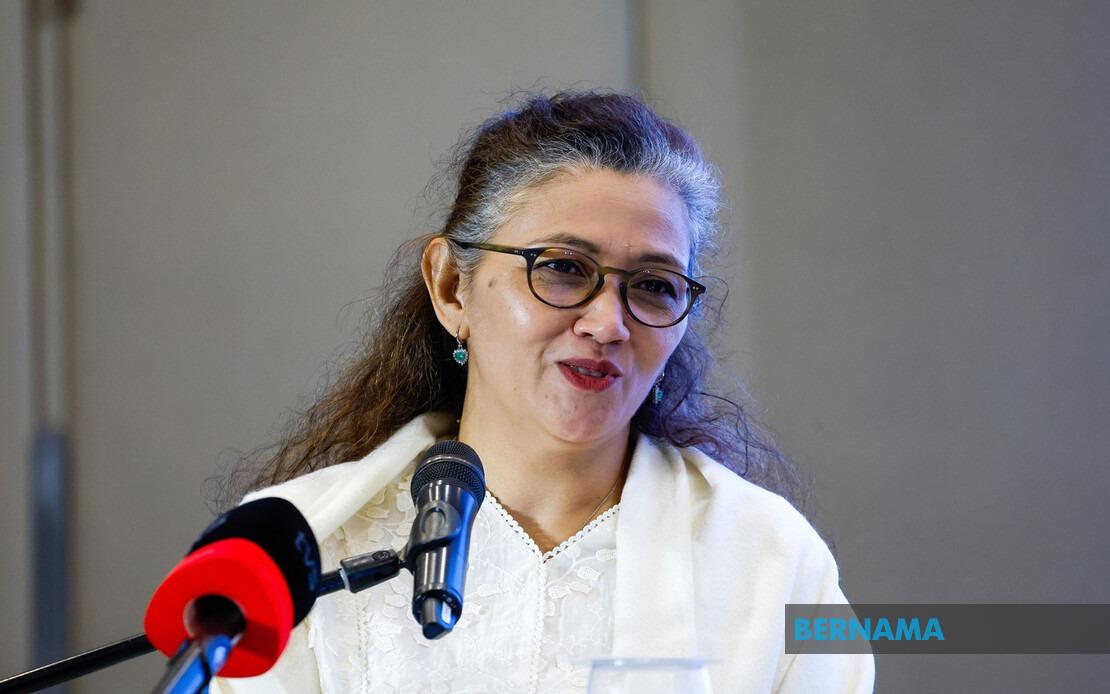
Sibu Hospital's Neurosurgery Department has evolved into a critical specialist hub for central Sarawak, now serving more than one million residents spanning the region from Bintulu to Betong Division. The transformation underscores a significant shift in how Malaysia's healthcare system is bringing advanced medical expertise to communities beyond urban centres, with implications for how other states might develop decentralised specialist services. Deputy Health Minister Datuk Hanifah Hajar Taib officially recognised this achievement while opening the Transforming Brain Injury Conference 6.0, emphasising that the department's success represents a model of rural healthcare innovation worthy of national attention.
The neurosurgery unit's expansion reflects a deliberate strategy to move beyond the traditional concentration of specialist services in major urban hubs. By establishing itself as a referral centre, Sibu Hospital has effectively created a secondary hub that intercepts complex cases that might otherwise necessitate long and expensive journeys to Kuching. This geographical redistribution of expertise addresses a perennial challenge in Malaysian healthcare: ensuring that patients in peripheral regions have timely access to critical intervention without bearing prohibitive costs or suffering dangerous delays in treatment.
A particularly innovative aspect of the department's approach involves deploying specialist clinics to satellite locations in Mukah, Bintulu, Sarikei and Kapit. These visiting clinics serve multiple functions simultaneously—they allow specialists to assess patients closer to home, reduce the pressure on centralised facilities, and enable follow-up consultations without requiring patients to relocate temporarily. For communities in these divisions, this arrangement significantly diminishes both the financial strain and the logistical complexity that typically accompany specialist healthcare seeking.
The financial impact of this decentralisation has been substantial. Since 2013, the neurosurgery department has saved more than RM50 million by reducing the frequency of expensive medical evacuations to Kuching. These savings extend beyond the direct costs of transport; they encompass the opportunity costs borne by families who must accompany patients, the indirect economic impact on smaller towns when productive members are unavailable for extended periods, and the broader burden on a family's healthcare budget. The figure underscores that developing regional capacity is not merely a matter of medical ethics but also fiscal prudence for the healthcare system.
Leadership has proven crucial to this transformation. Dr Nelson Yap Kok Bing, who heads the department, has guided the unit through the phases of expansion and specialisation that culminated in its current status. Hanifah Hajar's commendation acknowledged that vision and commitment at the institutional level are prerequisites for overcoming the infrastructure and resource constraints that typically impede specialist service development in non-metropolitan areas. Her remarks suggest recognition that talented clinicians willing to build services in less prominent settings deserve acknowledgement as drivers of equitable healthcare.
The implications for Malaysia extend beyond Sarawak. As the country navigates healthcare challenges associated with an ageing population and rising non-communicable disease burdens, the ability to deliver complex specialist care outside the Klang Valley and Penang conurbations becomes increasingly important. The Sibu model demonstrates that such decentralisation is operationally feasible and economically defensible. Other states grappling with similar pressures—overwhelming demand at tertiary centres coupled with underutilised capacity in regional hospitals—might draw lessons from how Sibu has systematised its approach to attracting specialists and building institutional capacity.
The Health Ministry's commitment to strengthening this collaboration framework signals official endorsement for similar initiatives elsewhere. Hanifah Hajar indicated that the ministry intends to deepen partnerships with Sarawak's government and other stakeholders to extend specialist infrastructure across the state and potentially across Malaysia. This commitment acknowledges that healthcare transformation requires sustained coordination between federal and state authorities, public institutions, academic bodies, and professional bodies—not merely sporadic or piecemeal efforts.
Human capital development emerges as central to the sustainability of such initiatives. The deputy minister explicitly referenced the necessity of ongoing investment in doctors, nurses, allied health professionals, researchers and future leaders. This recognition reflects an understanding that physical infrastructure and equipment, while necessary, are insufficient without the personnel to operate them effectively and innovate continuously. For aspiring healthcare professionals in central Sarawak and other peripheral regions, the existence of advanced facilities and supportive institutional environments becomes a draw factor, potentially reversing the brain drain that has historically moved talented individuals toward major cities.
The conference itself—TBI 6.0—serves as another indicator of the department's evolution toward a thought leadership role in its field. By hosting regional discussions on brain injury management and hosting visiting specialists, the unit positions itself as an intellectual centre within its geographic ambit. This role generates additional value beyond the direct clinical services provided, as the conference likely attracts practitioners from across Southeast Asia and contributes to Malaysia's regional reputation in medical expertise and innovation.
The achievement also illustrates how Malaysia's healthcare system can operationalise the principle of equitable access when political will and professional dedication align. Central Sarawak residents now have access to neurosurgical expertise without routinely experiencing the cascading disruptions that accompany medical tourism within the country. For a nation committed to universal health coverage and geographical equity, the Sibu experience provides practical validation that decentralised specialist care is achievable within resource constraints.
Looking forward, the sustainability of this model will depend partly on whether the system can retain specialist talent in Sibu and support the professional development of emerging neurosurgeons willing to base their practices there. International benchmarking, continuing education opportunities, and career pathways comparable to those available in major centres will determine whether the department can maintain and augment its capacity. The initial achievement is impressive; translating it into a permanent institutional feature represents the next challenge.

