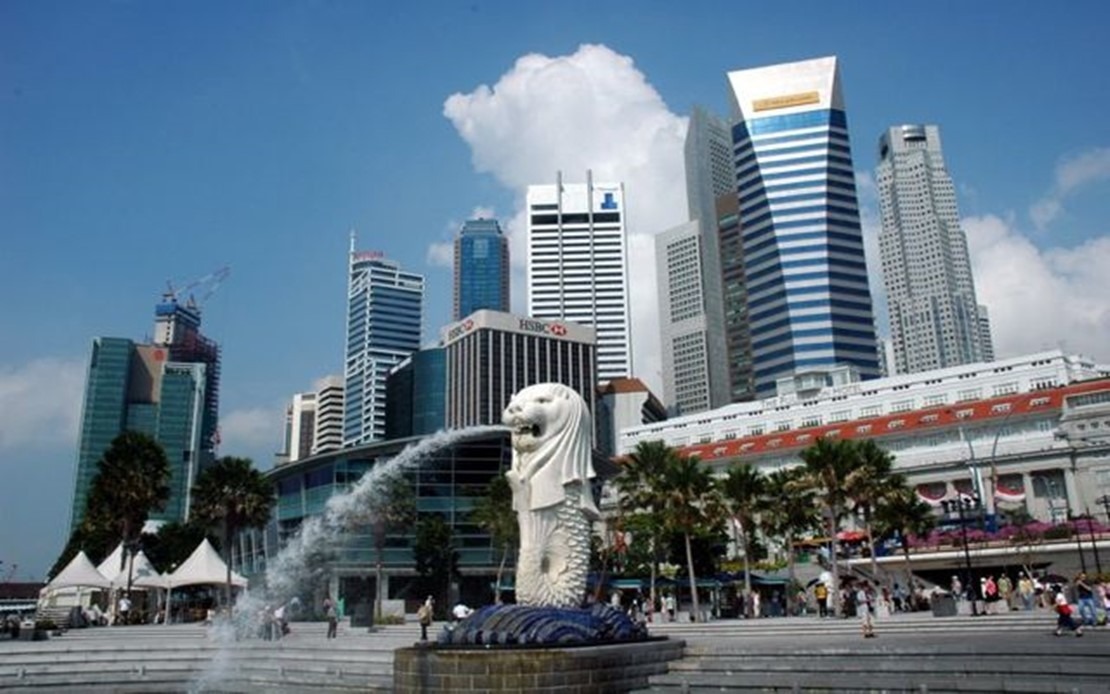
Singapore's environmental authorities have placed their haze management framework on high alert, with the National Environment Agency confirming it will swiftly implement emergency response protocols should air quality descend into unhealthy territory. The Haze Task Force readiness reflects growing regional concern over transboundary air pollution, a recurring seasonal challenge that affects multiple Southeast Asian economies and public health outcomes across the wider region.
As of Sunday afternoon, Singapore's Central region recorded a 24-hour Pollutant Standards Index of 81, placing conditions within the moderate range and below the unhealthy threshold of 100. This metric remains the key indicator officials are monitoring, as it directly influences public advisories and activity planning for citizens and businesses across the city-state. The current reading, while manageable, underscores the volatility of air quality conditions during periods of elevated fire activity in neighbouring territories.
The National Environment Agency emphasized its continuous surveillance of atmospheric conditions and committed to releasing updated assessments as circumstances develop. Should the PSI breach the 100 mark, the agency will commence issuing daily haze advisories incorporating 24-hour forecasts that enable residents to schedule outdoor activities and major events with advance notice. This proactive communication strategy aims to minimize health risks while allowing Singapore's population and economy to function with the least possible disruption.
Meteorological patterns have created conditions conducive to transboundary haze formation and transport. Recent drought conditions across Indonesian territories, particularly Sumatra and Kalimantan, have multiplied hotspot occurrences and generated substantial smoke plumes that drift toward Singapore under existing southeasterly wind patterns. The prevailing wind systems act as natural conduits for pollution, with southern Sumatran fire regions representing the most significant threat vector to Singapore's air quality during this period.
Environmental forecasts suggest dry weather patterns will persist throughout the coming week, elevating the likelihood that ongoing fires will continue and potentially intensify. This extended forecast creates a concerning scenario in which haze conditions could deteriorate if burning activities remain unchecked across the source regions. The combination of persistent drought, abundant biomass, and favourable atmospheric transport mechanisms establishes the necessary preconditions for a serious regional air quality episode.
The haze situation carries significant implications for Southeast Asian economies beyond Singapore. Malaysia, Indonesia, and Brunei have collectively experienced substantial costs from previous haze events, including healthcare expenditures, lost productivity, aviation disruptions, and environmental remediation efforts. The annual repetition of this phenomenon during dry seasons has prompted regional governments to strengthen cross-border coordination mechanisms and establish transboundary environmental frameworks, though implementation challenges remain evident.
Singapore's preparedness stance reflects lessons learned from previous severe haze episodes that disrupted regional commerce and public health. The city-state has invested substantially in air quality monitoring infrastructure and developed sophisticated forecasting models that allow authorities to anticipate pollution events days in advance. This scientific capacity positions Singapore comparatively well to manage haze impacts, though the underlying causes remain rooted in activities beyond its direct control.
The economic stakes of uncontrolled haze events extend to Malaysia's manufacturing sectors, tourism industries, and agricultural regions. Previous episodes have prompted business closures, school suspensions, and public health emergencies requiring significant government intervention. Malaysian readers should recognize that Singapore's haze preparedness measures, while protective of its own population, provide early warning signals for conditions that may subsequently affect Malaysia's eastern territories and peninsular regions depending on wind trajectories.
Regional cooperation mechanisms remain critical for addressing the root causes of transboundary air pollution. While Singapore's task force activation demonstrates reactive preparedness, more sustainable solutions require proactive engagement with Indonesian fire management agencies, illegal logging prevention, peatland restoration initiatives, and stronger enforcement against agricultural burning practices. The challenge of balancing development activities with environmental protection across the region's shared atmospheric commons continues demanding political commitment and technical coordination among national governments.
The current haze monitoring phase serves as a reminder that Southeast Asia's environmental challenges transcend national boundaries and require unified regional responses. While Singapore's readiness to activate haze protocols protects its immediate population, the broader regional imperative involves addressing upstream causes through coordinated environmental governance. Malaysian stakeholders should monitor developments closely and consider how Singapore's haze experience informs domestic preparedness planning for similar atmospheric events.

