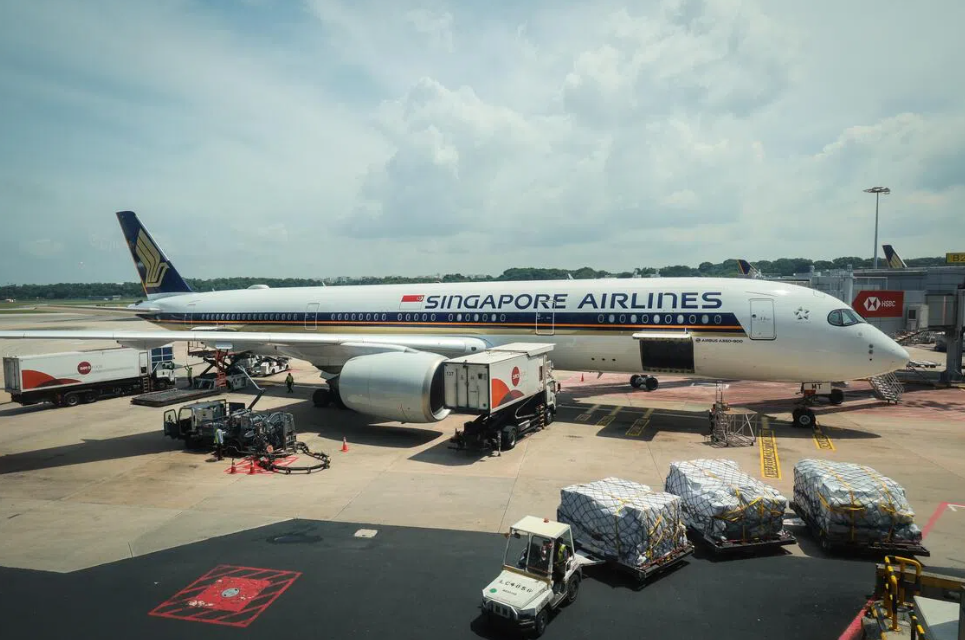
Singapore Airlines' ultra-long-range service to New York experienced an unexpected disruption on August 12 when Flight SQ22 was forced to return to Changi Airport mere hours after departure. The aircraft, an Airbus A350-900 bound for Newark Liberty International Airport, touched down at 3.06am on August 13 following a technical malfunction that the airline has not publicly detailed. The incident highlights the operational complexities of managing one of the world's longest commercial air routes, which typically requires more than 18 hours of flying time to cover approximately 16,700 kilometres of ocean and land.
The decision to turn back came during what should have been the early stages of what passengers anticipated would be a gruelling transpacific journey. SQ22 had lifted off at its scheduled departure time of 11.35pm, but the technical irregularity that emerged during the initial climb forced the flight crew to make the prudent decision to return. The airline's choice not to disclose the specific nature of the problem has left passengers and aviation observers speculating about the severity of the issue, though the fact that the aircraft required towing to a remote parking bay for repairs suggests it was not a minor glitch that could be resolved at the terminal.
Handling 150 people and their luggage in the middle of the night presented logistical challenges that Singapore Airlines managed methodically. All 133 passengers and 17 crew members disembarked via buses and made their way to the terminal while the damaged aircraft was positioned away from active operations. The airline provided food vouchers to compensate passengers for the extended wait, recognising that the grounded travellers faced an uncertain timeline for their onward journey. For many, the prospect of a lengthy delay on top of an 18-hour flight ahead would have tested patience, yet passenger feedback on social media suggested the carrier handled the crisis with professionalism.
A complicating factor in resolving the disruption involved aviation regulations governing crew rest and flight time limitations. The original flight crew, having already been airborne and undergone the initial procedures associated with departure, had consumed a portion of their allowable flying hours. Because the crew would have exceeded their regulatory flight time limits by the time they reached Newark, the airline could not simply repair the aircraft and send the original crew on their way. This requirement necessitated sourcing an entirely new crew complement, which extended the timeline significantly and explained why fresh personnel had to be assembled.
The replacement Airbus A350-900 departed Changi at 5.41am on August 13, carrying the frustrated but ultimately rerouted passengers. The second attempt proved successful, with the aircraft touching down in Newark at 12.15pm local time that same day. Passengers who had booked onward connections faced the prospect of missed flights, and the airline worked to rebook affected customers on alternative services to their final destinations. The operational recovery, while ultimately successful, represented a substantial operational disruption for a carrier that maintains a reputation for reliability on its long-haul routes.
Passenger reactions revealed mixed sentiment about the airline's handling of the incident. One traveller posting on Reddit praised Singapore Airlines for managing the situation "incredibly well" but expressed frustration at the lack of transparency regarding the technical issue. The passenger noted particular irritation at being denied access to checked baggage during the extended layover and wished for clearer communication about the aircraft's malfunction. This feedback underscores a tension in aviation crisis management: operational necessity sometimes conflicts with passenger expectations for detailed information, particularly when safety considerations make full disclosure inadvisable.
The SQ22 route represents one of aviation's most demanding operations, and technical incidents on such services have cascading consequences throughout airline networks. The A350-900 ultra-long-range variant is specifically engineered for these marathon flights, featuring advanced systems designed to maximise comfort and reliability over such extended durations. When mechanical issues do occur on such aircraft, they demand immediate attention, as pushing a damaged plane across the Pacific would constitute an unacceptable safety risk. The decision to ground the aircraft and arrange a replacement reflected appropriate prioritisation of passenger and crew safety over schedule adherence.
From a passenger perspective, the August 12 incident illustrates both the reliability and the vulnerability of ultra-long-haul operations. Singapore Airlines operates this route as one of its flagship services, connecting Southeast Asia's premier hub to the American East Coast market. Disruptions affect business travellers on tight schedules, families visiting relatives, and tourists embarking on holiday plans. The airline's obligation to process rebookings and provide compensation reflects regulatory and contractual responsibilities that extend beyond the immediate inconvenience of the delay.
The incident also carries implications for how airlines communicate during operational crises. In an era where passengers instantly share experiences on social media and forums like Reddit, airline decisions about disclosure become part of broader public perception. While Singapore Airlines' apology acknowledged inconvenience and reiterated commitment to safety, the absence of specific technical details left information gaps that passenger imagination filled. Greater transparency about the nature of the problem—assuming safety protocols permitted disclosure—might have mitigated frustration and demonstrated confidence in the resolution.

