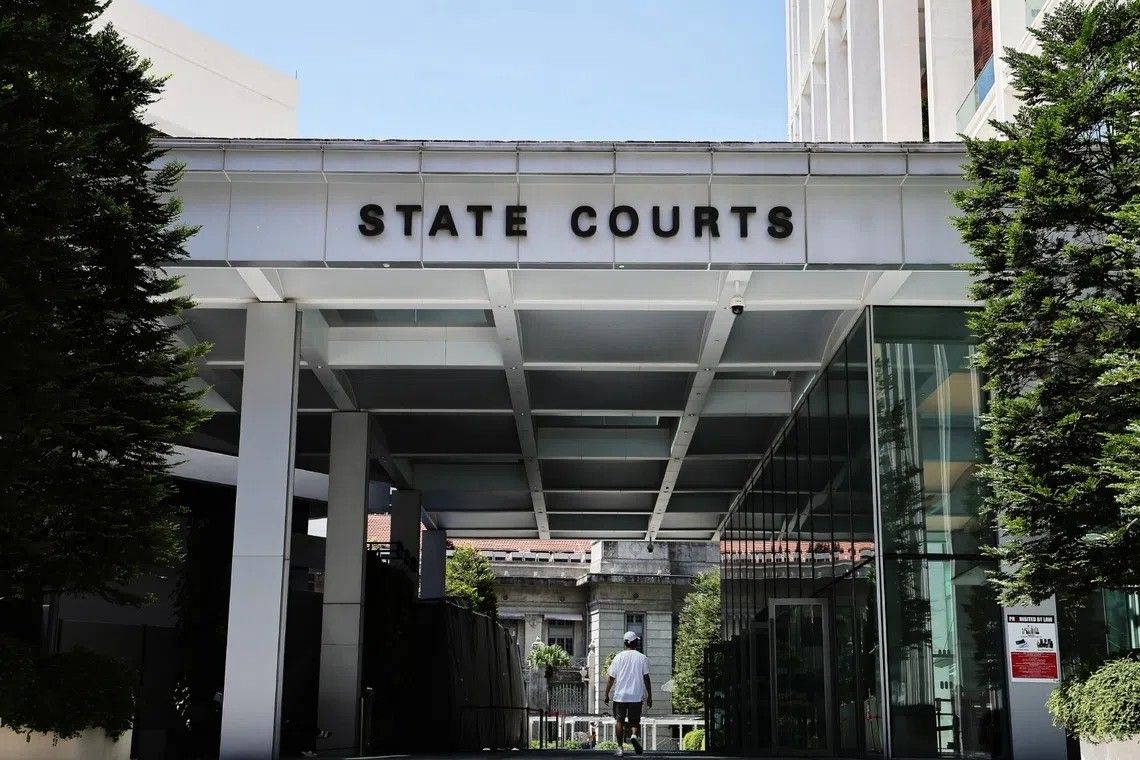
A 22-year-old man in Singapore has been charged with eight offences stemming from an incident that resulted in the death of a petrol station worker at an Upper Changi Road North facility. Ray Png AZ allegedly operated a deregistered vehicle while under the influence of drugs on Aug 6, triggering a chain of events that proved fatal for the 69-year-old pump attendant. The charges, formally handed down on Aug 8, encompass driving without a valid licence, driving without due care and attention causing death, and driving under the influence of controlled substances, among others.
The fatal incident unfolded in the early morning hours at approximately 3.55am at the Esso petrol station. According to police reconstructions of events, Png abruptly reversed his vehicle while the attendant was positioned to refuel it. The still-open driver's door struck the worker with sufficient force to knock him to the ground. The attendant's head made contact with the pavement during the fall, an injury that would prove unsurvivable. Emergency responders transported him to hospital, but medical intervention could not save his life.
Following the collision, Png did not remain at the scene. Instead, he abandoned the vehicle and fled with a female passenger who was travelling with him. Both individuals were apprehended later that same day. The woman is now facing separate investigation for drug consumption and for allegedly assisting the driver in evading initial detection.
The use of a deregistered vehicle adds a significant dimension to this tragedy and underscores broader transportation safety concerns. When a vehicle loses registration status, it typically lacks current insurance coverage and may fail to meet contemporary safety standards mandated by transport authorities. Singapore's police force has emphasised that such vehicles present acute dangers not only to their occupants but to all other road users. The risk multiplies exponentially when operated by drivers who lack proper licensing credentials or whose age renders them legally ineligible to drive.
The legal consequences Png faces are substantial and multifaceted. For operating a motor vehicle without a valid licence, Singapore law permits fines reaching $10,000, imprisonment of up to three years, or both. Courts may additionally order forfeiture of the vehicle itself. The charge of driving without due care and attention causing death carries identical financial and custodial penalties. Driving under the influence of drugs carries slightly lower maximum sentences: fines between $2,000 and $10,000, jail time not exceeding one year, or both. This offence also triggers mandatory disqualification from operating any class of vehicle. For the deregistered vehicle charge alone, offenders face potential fines of up to $20,000 and imprisonment for up to two years.
For Malaysian readers, this case illustrates enforcement mechanisms and sentencing frameworks employed in neighbouring Singapore's road safety regime. While Malaysia operates under its own legislative structure, comparative study of neighbouring jurisdictions' approaches to traffic-related fatalities offers insights into regional standards and enforcement priorities. The severity of charges and penalties in this instance reflects the seriousness with which Singapore treats preventable road deaths, particularly those involving reckless operation of unregistered or uninsured vehicles.
The tragedy also highlights vulnerabilities within petrol station environments. Workers in these settings perform their duties in areas where vehicles are actively moving and manoeuvring, often in early morning or late evening hours when fatigue and reduced visibility compound existing hazards. The sudden reversal that triggered this incident represents precisely the kind of unpredictable driver behaviour that these workers face regularly without adequate protective infrastructure.
Drug-impaired driving constitutes an increasing concern across Southeast Asia as a whole. Singapore's explicit charging of drug influence alongside other traffic offences reflects the nexus between substance use and dangerous driving behaviour. Research consistently demonstrates that various controlled substances significantly impair reaction times, spatial awareness, and decision-making capability—all critical to safe vehicle operation. The early morning timing of this incident and the allegation of drug use suggest a pattern of behaviour particularly dangerous during low-visibility periods when drivers' natural alertness is already compromised.
The female passenger's involvement in the investigation adds complexity to culpability assessments. Laws across various jurisdictions recognise that companions to offenders may bear some responsibility if they knowingly enable illegal activity. Her alleged assistance in helping the driver evade discovery could result in charges related to obstructing justice or aiding an offender, depending on how prosecutors interpret her conduct.
Png's case is scheduled for a pre-trial conference on Aug 28, at which point the court will determine the trajectory toward full trial proceedings. The confluence of multiple serious charges—death resulting from negligent operation, unlicensed and drug-impaired driving, and vehicle registration violations—suggests that prosecution will pursue comprehensive accountability for the circumstances surrounding the attendant's death. This multifaceted charging approach ensures that even if conviction on one count proves difficult, other charges provide alternative grounds for holding the defendant responsible.
For Southeast Asian policymakers and enforcement agencies, this case underscores the importance of integrated road safety approaches encompassing vehicle registration monitoring, licensing verification, and substance use testing protocols. The fatal outcome demonstrates how multiple regulatory failures—operating an unregistered vehicle, driving without proper licensing, and drug impairment—can combine catastrophically. Preventing such tragedies requires robust systems capable of detecting and intercepting vehicles operating outside legal frameworks before they endanger lives.

