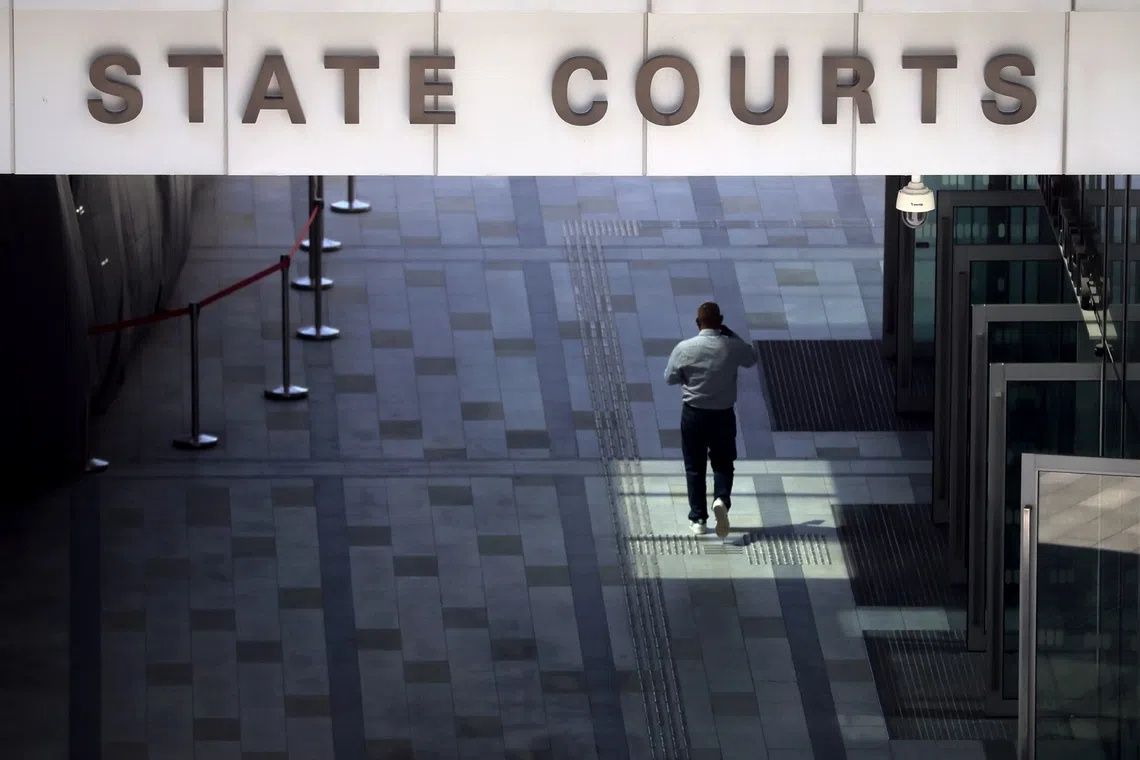
A 40-year-old Singapore man appeared in court on Thursday, August 6, facing two counts of child ill-treatment stemming from alleged incidents that took place months earlier. The charges relate to disturbing accusations involving his two young children — a son aged 10 and a daughter aged eight — at different locations across the island state. Due to a court-ordered gag order protecting the identities of the children involved, the father cannot be publicly identified in media reports.
The first incident allegedly occurred on September 8, 2025, at the family's flat situated on the eighth floor of an HDB block. According to court documents, the man instructed his 10-year-old son to remove all his clothes and then directed him to take the lift down to the ground floor of the residential block. The documents provided no indication of whether the child actually followed these instructions or what circumstances led to authorities learning about the alleged directive. This incident raises serious concerns about child safety and parental conduct, particularly given the vulnerability of a young child in such a situation.
The second alleged abuse incident occurred roughly a month later on October 3, 2025, at Changi Airport Terminal 3. According to the charges, shortly before 6 in the evening, the father allegedly engaged in a series of violent actions directed at his eight-year-old daughter. The prosecution alleges he slapped, punched, and pushed the child, resulting in visible injuries to her face and neck. An airport, being a public space with significant foot traffic and security presence, would have made such an incident more likely to be witnessed by bystanders or captured on surveillance systems, potentially aiding the investigation.
The court documents, while confirming these allegations, remain silent on the motivations or circumstances that purportedly drove the father to commit these acts. Understanding the context surrounding child abuse cases is often crucial for investigators, prosecutors, and the courts in determining appropriate charges and sentences. The lack of disclosed reasons in the public domain leaves many questions unanswered about what led to these alleged incidents and whether there were any preceding events or family circumstances that might provide context.
Child abuse cases in Singapore are treated with considerable gravity by the legal system and social authorities. The country has established robust child protection frameworks and takes allegations of ill-treatment seriously, recognising the long-term psychological and physical harm that such experiences inflict on young victims. The involvement of two separate incidents against two different children suggests a pattern of concerning behaviour that authorities felt warranted formal charges under existing legislation.
The case carries implications for family welfare discussions across Singapore and the broader Southeast Asian region. Such incidents prompt wider conversations about parenting standards, mental health support for families under stress, and the effectiveness of early intervention mechanisms. Child protection agencies in many regional countries, including Malaysia, continue to grapple with balancing family privacy with child safety concerns, making cases like this instructive for policy discussions.
From a regional perspective, Singapore's swift prosecution and public accountability through court proceedings demonstrates the island state's commitment to child protection standards. Malaysian readers, particularly those concerned with child welfare policy, may note how Singapore's approach compares with local systems. Both countries operate under similar common law frameworks and prioritise child safety, though procedural details and support mechanisms may differ.
The charges under Singapore's child ill-treatment statutes carry significant potential penalties. The legislation recognises that abuse need not result in serious physical injury to constitute a criminal offence; the act of ill-treating a child, whether through physical violence or psychologically harmful conduct, is itself prosecutable. This reflects a modern understanding that children require comprehensive protection from various forms of maltreatment.
The case will return to court on August 13 for further proceedings. During this mention, the prosecution may present additional evidence, the defence may file relevant submissions, and the court will determine the next steps in the judicial process. Depending on the man's plea and the court's assessment, the case could proceed to trial or potentially result in a guilty plea with sentencing considerations. The timeline and progression of the case will be closely monitored given the seriousness of the allegations.
These incidents underscore the importance of public awareness regarding child abuse reporting mechanisms. Bystanders who witness potential abuse, whether in residential settings, public spaces, or online contexts, play a crucial role in child protection ecosystems. In Singapore, the Child Protection Service and police forces respond to reports, and similar mechanisms exist throughout Southeast Asia. Schools, healthcare providers, and community members are often trained to identify warning signs of abuse and know appropriate reporting channels.
The protection of child identities through gag orders, as applied in this case, reflects a balance between transparency in the justice system and the best interests of vulnerable victims. While the public has a legitimate interest in understanding how the courts handle serious criminal charges, the emotional welfare and future prospects of the children involved receive paramount consideration. This protective approach is consistent with international child rights standards and best practices in jurisdictions that prioritise victim welfare.

