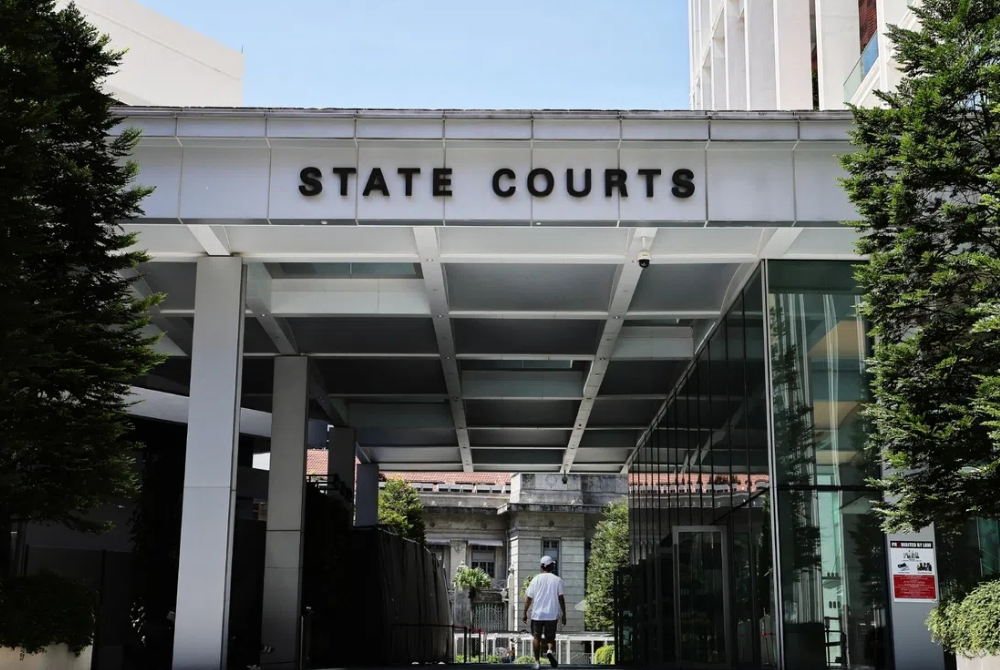
A 31-year-old Singaporean manager at a private educational facility has been sentenced to nine years and ten months imprisonment and eight strokes of the cane for systematic abuse of primary school pupils entrusted to his care. The sentencing on Friday represents one of Singapore's more severe punishments for child abuse, reflecting the brutality and deliberate cruelty documented during the trial. The offender, whose identity is protected by court order to shield the victims, pleaded guilty in July to charges including child abuse, voluntarily causing grievous hurt, and providing false information to the Ministry of Manpower.
The case centres on the appalling treatment of a six-year-old boy who was a resident at the facility operated by the offender's aunt, which provided accommodation and support services for international students. The child became the target of prolonged and escalating violence beginning in January 2023, shortly after he arrived at the premises from China. District Judge John Ng documented that the boy was struck at least 600 times and stomped upon at least 40 times during his ordeal, injuries that accumulated into life-threatening consequences requiring emergency medical intervention.
On a single day in March 2023, the offender forced the six-year-old to maintain a push-up position from 3:45 in the afternoon through the entire night until the following morning—a period exceeding eighteen hours of continuous physical strain for a child of that age. While holding this exhausting posture, the boy was punched and stomped at 1:15 in the morning, then subjected to additional weight and pressure as the offender sat on a chair placed upon him between 2 and 7 in the morning. When the child requested access to the toilet, the perpetrator compelled him to urinate into a basin and subsequently forced him to consume his own urine when he complained of thirst—an act of deliberate humiliation designed to degrade and psychologically traumatise the victim.
The physical consequences of this sustained abuse were severe and life-threatening. The child suffered fractured ribs, acute kidney failure requiring nine days of dialysis treatment, and injuries that could have proven fatal without medical intervention. The offender deliberately withheld medical care for three days following the worst of the abuse, deliberately concealing the injuries out of fear that hospital staff would alert police to his actions. Only when the child's condition became critical was medical treatment sought, by which point the damage was catastrophic.
On the day following the all-night abuse incident, the offender made a deceptive telephone call to the boy's father in China, requesting permission to discipline the child without disclosing the physical punishment already inflicted or mentioning the marks covering his small body. The father, unaware of what had transpired, granted general permission for discipline. The offender then kept the boy home from school and continued attacking him with a clothes hanger throughout the day with such violent force that the implement fractured. Rather than stopping, he persisted in striking the child with the broken hanger and continued stomping on him until the victim became too weak to remain standing. Only then did the offender carry the boy to the toilet and spray him with water.
The offender's background became a central point of the defence mitigation, with counsel arguing that his own traumatic childhood—with an alcoholic father and a gangster older brother who physically abused him—contributed to his actions. Judge Ng firmly rejected this reasoning, stating that experiencing abuse as a child should have positioned this man to protect rather than perpetrate similar harm. "Being a young boy who had suffered at the hands of abusers, the offender should have been in a better position not to repeat such treatment to vulnerable victims who had trusted him to care for them and protect them," the judge declared. The logic was unambiguous: trauma is not an excuse to inflict trauma on others, particularly on children dependent on an adult for their safety.
The offender's employment at the facility began in 2016 when he was hired as a manager by his aunt, whose operation provided residential accommodation and management services primarily for international students seeking educational opportunities in Singapore. Despite lacking any formal teaching qualifications or childcare certification, he was tasked with responsibility for students living at the facility, including conducting English instruction and monitoring homework completion. His position provided access to vulnerable children while operating with minimal oversight—a combination that enabled escalating abuse once the offender began targeting one particularly vulnerable victim.
The systematic nature of the abuse extended beyond physical violence to deliberate deprivation and psychological torment. The six-year-old victim was restricted to minimal nutrition, subsisting primarily on bread and water while watching other students consume proper meals. He was forced to sleep in the toilet area, degraded through mockery, and subjected to positions of extreme discomfort for extended periods. The prosecution characterised this pattern as calculated cruelty, noting that the offender meticulously controlled every aspect of the child's existence—what he ate, where he slept, how his body was positioned, even what he consumed when thirsty.
Deputy Public Prosecutors Timotheus Koh and Cheronne Lim emphasised that the offender had catastrophically betrayed the trust extended to him. Parents and guardians had placed their children under his supervision with the expectation of care and protection. Instead, he weaponised his authority to inflict systematic violence and degradation. The prosecutors noted specifically that the offender's deliberate concealment of injuries—refusing medical care for three days while the child's kidney function deteriorated—demonstrated consciousness of guilt and an intention to evade accountability rather than concern for the victim's welfare.
The sentence reflects judicial recognition that such abuse represents a profound breach of the duty owed by adults to children in institutional settings. In Singapore's context, where foreign students and their families depend on local educational facilities to provide safe environments, this case underscores vulnerabilities in systems that place unqualified individuals in positions of authority over young people. The lack of teaching credentials or childcare qualifications, combined with residential arrangements that isolated the child from outside observation, created an environment where abuse could escalate unchecked for months.
For Malaysian observers, the case carries particular resonance. Malaysian students and parents frequently utilise educational facilities across Southeast Asia, and systems ensuring accountability and appropriate vetting of staff remain inconsistent. The Singaporean court's decisive response—rejecting mitigating pleas based on the offender's own childhood trauma and imposing a substantial custodial sentence—signals that institutional protection of vulnerable children is paramount. The case also demonstrates the importance of mandatory reporting mechanisms and regular welfare checks for children in residential educational settings, lessons applicable across the region as educational migration increases.
The offender's request to defer his sentence by one week to attend prayers was refused, and he was immediately remanded in custody. As he was led away by officers, the contrast between his family's presence in court and the suffering inflicted on a child separated from his own parents by thousands of kilometres illustrated starkly the consequences of betraying institutional trust. The nine-year and ten-month sentence represents not merely punishment but a statement about the non-negotiability of child protection standards in educational settings across Singapore and, by extension, throughout Southeast Asia.

