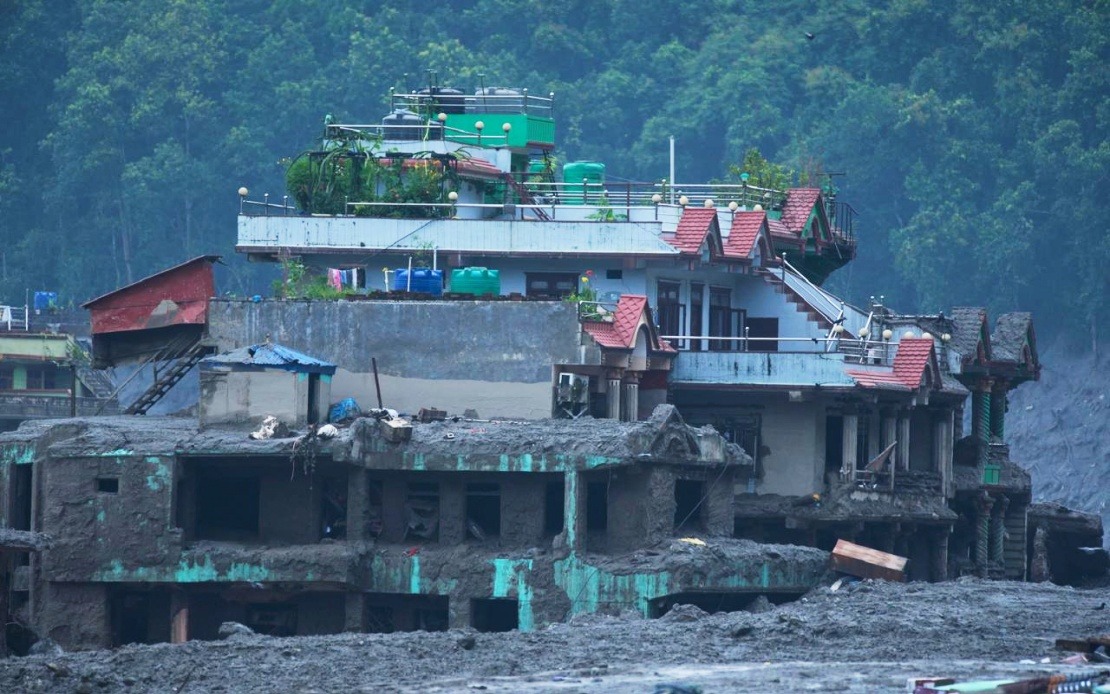
Catastrophic flash floods sweeping through northern Nepal have triggered a coordinated diplomatic response from Singapore, which is working urgently with both Nepali and Chinese officials to locate and assist its nationals caught in the disaster. Among approximately 47 trekkers unaccounted for in the remote mountain region, two are believed to be Singaporean citizens, prompting immediate action from Singapore's Ministry of Foreign Affairs to establish contact with affected individuals and their families back home.
Prime Minister Lawrence Wong underscored Singapore's commitment to supporting those impacted, acknowledging the gravity of the situation through a public statement released Thursday. The message reflected not only concern for Singapore's missing nationals but also recognition of the broader humanitarian crisis unfolding across the Nepal-China border area. Wong extended official condolences to the governments and peoples of both Nepal and China, emphasising Singapore's solidarity with regional neighbours confronting the emergency response and recovery challenges posed by the floods.
The missing trekking group represents a multinational expedition organised through Himalayan Glacier Adventures, reflecting the international nature of high-altitude tourism in the region. Beyond the two Singaporeans, the party included hikers from Australia, the United Kingdom, the United States, Russia, and Nepal itself—a composition that has prompted parallel rescue coordination involving multiple countries' diplomatic missions. This multinational dimension adds complexity to the rescue operation, with various governments simultaneously engaging with Kathmandu authorities to locate their nationals.
Singapore's consular apparatus has shifted into emergency mode, with the MFA maintaining constant dialogue with Nepali authorities responsible for search and rescue operations. The ministry has simultaneously established communication channels with affected families, providing regular updates and managing what is invariably an emotionally fraught situation for relatives anxiously awaiting news. This multifaceted engagement represents standard consular protocol during crises abroad, yet the remote location and scale of the flooding complicates conventional assistance mechanisms.
Recognising that the disaster's impact extends beyond the missing trekkers, Singapore's Foreign Ministry has issued formal travel advisories warning all Singaporeans remaining in flood-affected regions to exercise extreme caution and comply strictly with local authority directives. The advisory specifically identifies five districts—Rasuwa, Nuwakot, Dhading, Gorkha, and Chitwan—as areas where the flooding has caused significant damage and where conditions remain hazardous for travellers.
The advisory further warns against activities that could heighten risk in the current environment, explicitly cautioning Singaporeans to avoid proximity to rivers, riverbanks, bridges, and any topographically low-lying zones where secondary flooding or debris flows remain possible. Such warnings carry practical importance beyond mere formality; flash floods in mountainous terrain can recur suddenly as water drains from higher elevations, and the monsoon season that triggered this disaster typically produces multiple flood events as weather patterns persist.
Infrastructural disruption across affected areas presents additional complications for trapped travellers and rescue operations alike. Roads serving remote trekking regions have suffered washouts and landslips, rendering conventional ground transport impossible in many sectors. Telecommunications infrastructure has been compromised, hindering communication efforts and making it difficult for stranded individuals to contact embassies or family members. Supply chains for food, water, and medical provisions have fractured, complicating any prolonged rescue operations.
For Malaysian and broader Southeast Asian readers, this crisis underscores the inherent risks of high-altitude trekking during monsoon season, when precipitation in the Himalayan region reaches its annual peak. Nepal's trekking industry attracts thousands of regional and international tourists annually, and weather-related disasters have historically claimed lives among inadequately prepared groups. The incident serves as a sobering reminder of the environmental hazards that mountainous terrain presents, particularly when weather systems intensify rapidly in geologically unstable regions.
The incident also highlights the importance of robust consular coordination during transnational emergencies. Singapore's ability to engage simultaneously with both Nepali and Chinese authorities reflects the complexity of modern diplomatic relations—two nations whose relationship has witnessed periodic tensions must nevertheless cooperate in humanitarian contexts. This operational reality demonstrates how shared humanitarian imperatives can transcend bilateral disagreements, at least temporarily.
For Singaporeans abroad generally, the episode underscores the MFA's active role in monitoring global events and maintaining protective vigilance over nationals in vulnerable situations. The ministry's capacity to disseminate warnings, coordinate with foreign governments, and provide consular support across dispersed geographical areas represents institutional infrastructure that many citizens take for granted until crises materialise.
As search operations continue in the challenging mountainous terrain, Singapore maintains its engagement with Kathmandu authorities while simultaneously managing expectations among affected families. The coming days will prove critical in determining outcomes for the missing trekkers, with each passing hour reducing statistical prospects for locating survivors in remote high-altitude environments where exposure and injury pose severe risks even before accounting for the flooding's direct impacts.

