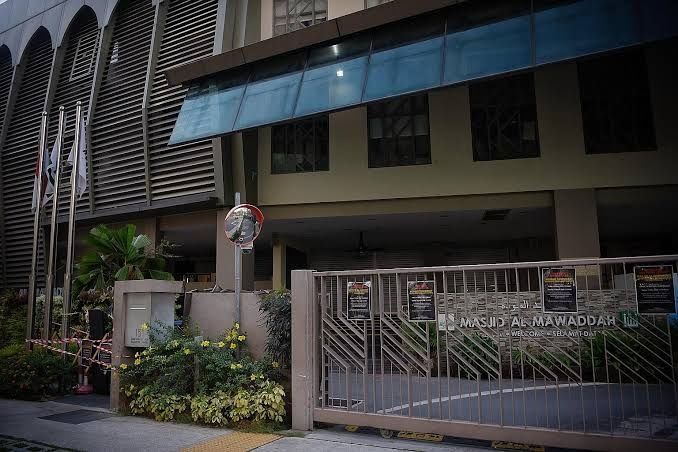
A senior finance executive at the Al-Mawaddah Mosque in Compassvale Bow, Sengkang, has been accused of systematically stealing more than S$14,000 from the mosque's donation boxes, prompting authorities to bring criminal charges against him in what represents a significant breach of trust within a religious institution.
Mohamed Muhaimin Mohamed Sulaiman, 42, faced court proceedings on August 12 with a single count of criminal breach of trust lodged against him. The charges relate to alleged thefts that occurred repeatedly over a four-month window, with police investigations pointing to at least 15 separate instances of unauthorised withdrawals from the collection boxes between February 6 and May 15. The scope and pattern of the alleged offences suggest a systematic approach rather than isolated incidents, raising questions about internal controls and oversight mechanisms at the religious facility.
The investigation commenced after the mosque lodged a formal complaint with Singapore Police Force on May 16, marking the moment when the discrepancies in the donation collections were discovered and reported to law enforcement. This relatively brief gap between when the alleged offences were detected and when authorities were notified underscores how quickly the institution moved to address the financial irregularities and ensure proper investigation. The police department subsequently confirmed the receipt of the initial report and initiated their inquiry into the matter.
The amount involved, spanning more than S$14,000 in allegedly misappropriated funds, represents a substantial sum for a mosque's charitable collections. These donations typically come from congregants and community members who contribute in good faith for religious and charitable purposes within their faith community. The breach represents not merely a financial transgression but a violation of the sacred trust that donors place in religious institutions to properly steward their contributions toward legitimate community and charitable objectives.
Court proceedings saw Muhaimin's bail set at S$10,000, a figure that will serve as security pending trial. The next scheduled mention of his case is set for September 16, allowing time for the investigation to progress and legal preparations to advance. This interim period will likely involve further examination of financial records, donation box procedures, and the circumstances surrounding the alleged thefts, as well as discussions between prosecutors and the defence regarding the charges and evidence.
The ramifications of conviction are substantial. Under Singapore law, criminal breach of trust carries maximum penalties of up to 15 years imprisonment coupled with financial fines. Such stringent sentencing provisions underscore the seriousness with which the legal system treats betrayals of trust, particularly when public or community funds are involved. The potential severity of penalties reflects society's commitment to protecting the integrity of institutions that hold community assets.
Questions remain regarding Muhaimin's current employment status at the mosque. The Straits Times sought clarification from the Islamic Religious Council of Singapore regarding whether he continues in his role as senior finance executive, though a response had not been obtained at the time of reporting. His administrative status during the legal proceedings remains unclear, leaving open whether the mosque has suspended, terminated, or maintained his employment pending trial outcomes.
This case carries significant implications for how religious organisations across Southeast Asia manage their financial systems and implement safeguards against misappropriation. Most mosques and religious institutions operate with relatively small administrative staffs and limited resources for sophisticated accounting oversight, making them potentially vulnerable to internal fraud. The incident serves as a cautionary example of the need for robust internal controls, transparency in financial management, and regular auditing of donation collections regardless of institutional size.
For Malaysia's religious institutions and other Southeast Asian mosques, the case underscores the importance of implementing dual-approval systems for accessing donation funds, maintaining detailed transaction records, and conducting periodic reconciliation checks. Many regional religious organisations continue to rely on traditional, trust-based models of financial management that, while reflecting communal values, may lack the procedural safeguards necessary to prevent or detect misappropriation swiftly. Strengthening these systems need not undermine the spirit of religious community but rather protects both the institution and the donors whose contributions fund essential charitable and religious work.
The investigation into Muhaimin's conduct will likely generate broader discussions within Singapore's Islamic community and among religious leaders throughout the region about best practices in financial governance. As religious institutions increasingly handle substantial charitable sums and community investments, establishing transparent, professionally managed financial systems becomes essential not only for legal compliance but for maintaining the trust and confidence that congregants place in these organisations. The resolution of this case may well influence how mosques and other faith-based organisations approach internal financial controls moving forward.

