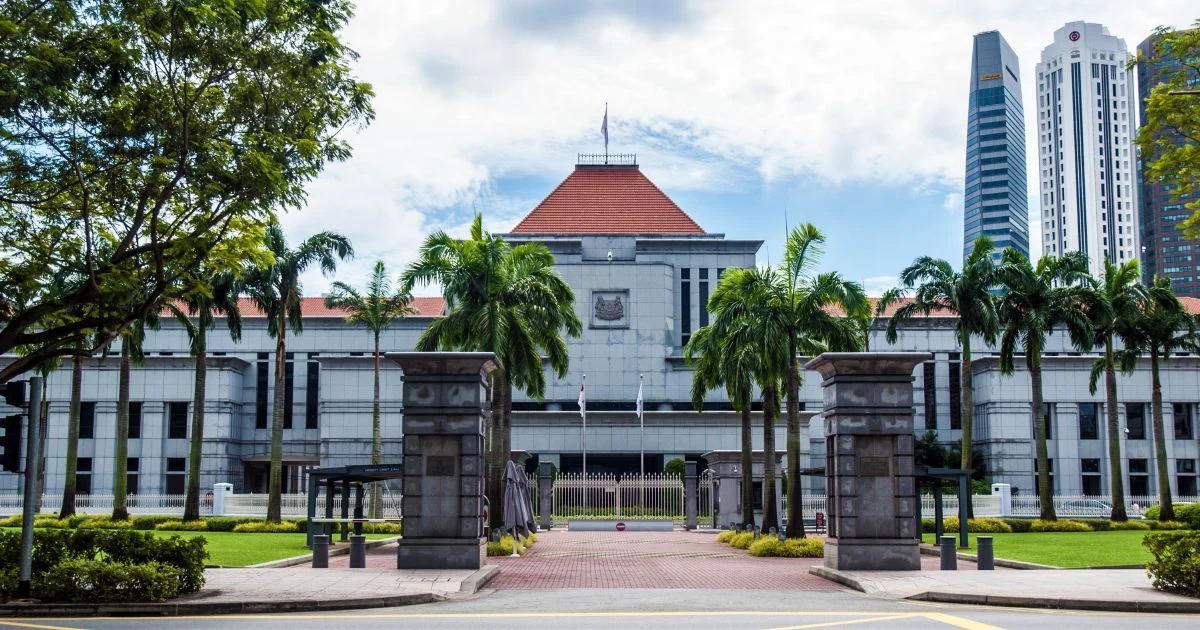
Singapore's police force has apprehended a 40-year-old man in connection with two separate anonymous bomb threat incidents that targeted the city-state's legislative chamber and a critical government technology agency, according to official statements released by the Singapore Police Force.
The arrest follows the filing of threats directed at Parliament House and the Home Team Science and Technology Agency (HTX), underscoring continuing security concerns in the region around sensitive government installations. While specific details regarding the nature of the threats remain under investigation, the swift response by authorities highlights the seriousness with which such matters are treated in Singapore's well-resourced law enforcement apparatus.
Bomb threats targeting government institutions represent a category of offence that Singapore takes with considerable gravity. The city-state maintains robust counter-terrorism and public security protocols, particularly surrounding Parliament House, which houses the nation's legislative body and serves as a symbol of governance. The HTX, established as a specialized government agency focused on advancing technology for home team operations, similarly represents critical infrastructure requiring stringent protective measures.
The investigation into this matter involves Singapore's specialized units trained to handle threats of this nature. Authorities examine not merely the substance of threats but also their origins, motivations, and potential connections to broader security concerns. The fact that multiple institutions were targeted within what appears to be a coordinated series of incidents suggests investigators are treating this as a deliberate campaign rather than isolated incidents.
For Malaysia and other Southeast Asian nations, such incidents serve as reminders of the persistent security vigilance required to protect government assets in an increasingly interconnected region. Singapore's rapid response capability demonstrates how advanced law enforcement infrastructure can quickly identify and apprehend suspects, though the broader question of motivation—whether ideologically driven, attention-seeking, or rooted in grievance—remains under investigation.
The arrest demonstrates Singapore's commitment to maintaining public order and protecting state institutions from credible or semi-credible threats. The multi-agency coordination typically involved in such cases reflects the sophisticated security apparatus that Singapore has developed over decades. Beyond the immediate criminal investigation, authorities typically examine whether such threats indicate emerging patterns or represent isolated incidents by individuals with specific grievances.
Parliament House and government technology agencies represent high-value targets in any security assessment, making the targeting of HTX particularly noteworthy. The agency's focus on technological advancement for security purposes means it serves as both a symbolic and functional component of Singapore's national security infrastructure. Threats against such institutions can trigger facility evacuations, increased protective measures, and significant disruptions to government operations.
The investigation will likely focus on the methodology through which threats were communicated, establishing whether they originated from within Singapore's borders or internationally. Digital forensics, telecommunications records, and cybersecurity analysis typically form core components of such investigations in the modern era. Authorities will attempt to determine whether the suspect acted alone or collaborated with others, and whether any substantive capability or planning existed to carry out actual attacks.
For residents and businesses in Singapore, such incidents typically prompt temporary security enhancements around affected facilities but do not usually result in citywide alerts given Singapore's generally stable security environment. The arrest of a suspect within a relatively short timeframe following the threats suggests competent investigative work and possibly cooperation from members of the public or technology-based intelligence gathering.
The legal framework governing bomb threats in Singapore provides substantial penalties for those convicted, reflecting the severity with which legislators treat such offences. Beyond immediate criminal consequences, such cases often prompt government reviews of existing security protocols and potential vulnerabilities at sensitive installations. The incident will likely inform ongoing discussions about balancing open governance with robust protective measures for parliamentary and government facilities.
This case reflects broader regional security dynamics where Southeast Asian governments increasingly contend with varied threats ranging from traditional security concerns to emerging challenges in the digital realm. Singapore's response illustrates how modern law enforcement integrates intelligence analysis, digital investigation, and traditional detective work to rapidly resolve threats to critical infrastructure. The successful arrest suggests that whether threats originated from local or international sources, investigators possessed sufficient leads to locate and apprehend a suspect within a reasonable timeframe.

