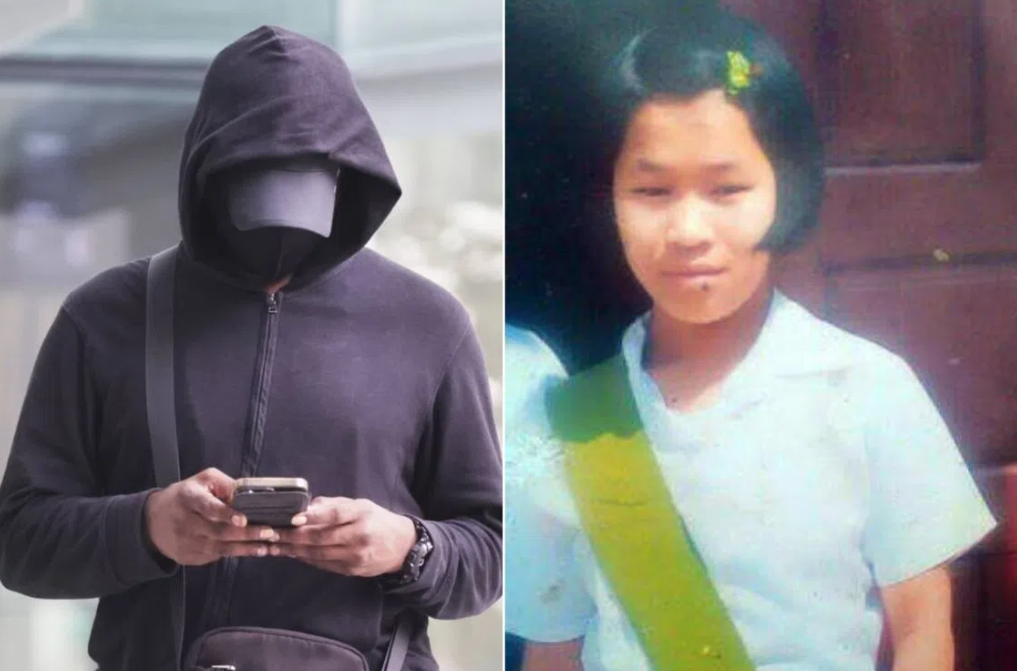
A suspended Singapore police officer has had his prison sentence extended to eleven and a half years following a High Court appeal decision, marking a significant development in one of the city-state's most brutal domestic helper abuse cases. Kevin Chelvam, the final person to face conviction in the matter, initially received a ten-year term in July 2025 from a district judge. However, on Friday, July 31, Justice See Kee Oon agreed with prosecutors that one element of the original sentence was inadequate and increased the penalty accordingly.
The victim at the centre of this tragic case was Piang Ngaih Don, a twenty-four-year-old Myanmar national whose weight had plummeted to just twenty-four kilograms by the time of her death on July 26, 2016. Her condition reflected months of systematic deprivation and physical violence inflicted by multiple household members. Piang had begun employment with the family on May 28, 2015, and within months found herself subjected to escalating abuse that would ultimately claim her life. The circumstances surrounding her death have shocked Singapore and raised persistent concerns about the vulnerability of foreign domestic workers across Southeast Asia.
Chelvam stood convicted on four separate charges related to his participation in the abuse. He was found guilty of abetting his then-wife, Gaiyathiri Murugayan, in causing grievous hurt by deliberately starving the victim. Additionally, he faced conviction for directly causing hurt through physical assault—specifically grabbing the victim's hair and lifting her off the ground. He was also convicted of tampering with evidence by dismantling the CCTV recorder installed in the Bishan flat, and of making false statements to investigating officers. Critically, unlike the two women involved, Chelvam maintained his innocence throughout the trial and contested the charges.
The prosecution's successful appeal focused on what they deemed an unreasonably lenient one-year jail term for the hurt charge. Deputy Public Prosecutor Stephanie Koh argued persuasively that the district judge had significantly underestimated the severity of Chelvam's culpability and the harm caused. She contended that his actions were essentially equivalent to those of Gaiyathiri's mother, Prema S. Naraynasamy, who had received two years imprisonment for the same type of assault during the same incident but with the mitigating factor of a guilty plea. Justice See concurred that the original sentence was manifestly inadequate and increased it to two and a half years, bringing Chelvam's total to eleven and a half years.
Chelvam's legal team mounted a vigorous defence against the increased penalty, with lawyer Ramesh Tiwary arguing that his client lacked knowledge of the extent of food deprivation endured by the helper. Tiwary further submitted that Prema had pressured Chelvam to disconnect the CCTV system, and that there existed no evidence demonstrating Chelvam was aware she intended to destroy recorded footage. The prosecution countered by emphasizing Chelvam's legal responsibility as the registered employer to ensure adequate food provision for the domestic worker. They argued compellingly that Chelvam was cognisant of Gaiyathiri's deliberate withholding of food yet took no corrective action despite his position and authority within the household.
The High Court judge rejected Chelvam's appeal arguments, finding no merit in the defence contentions regarding his knowledge or complicity. Justice See concluded that neither the convictions nor the sentences were manifestly excessive or unreasonable given the evidence and circumstances. He did grant one concession to the defence, permitting Chelvam to delay the commencement of his sentence until August 7 to allow time with his daughter, following Chelvam's request through his counsel.
The broader context of this case encompasses three individuals now imprisoned for their roles in Piang's death. Gaiyathiri Murugayan, Chelvam's former wife and the primary perpetrator, received the harshest sentence of thirty years imprisonment in 2021 after pleading guilty to twenty-eight charges including culpable homicide, with eighty-seven additional charges considered during sentencing. Prema S. Naraynasamy, Gaiyathiri's mother and a secondary abuser, was initially sentenced to fourteen years in 2023 after pleading guilty to forty-eight charges of abuse. An additional three-year sentence imposed in June that year, concerning her role in persuading Chelvam to dismantle the CCTV recorder, brought her total imprisonment to seventeen years.
The documented abuse captured on the CCTV system paints an extraordinarily disturbing picture of systematic cruelty. Over thirty-five days of recorded footage showed the victim being burned with a heated iron, choked repeatedly, shaken with violence, punched, kicked and stomped upon. The violence occurred with horrifying frequency—the victim was beaten almost daily. Beyond physical assault, she was systematically denied food and adequate rest, and subjected to humiliating conditions including being forced to shower and use the toilet with the door open. This documented evidence proved instrumental in establishing the severity and sustained nature of the abuse.
Abuse of the victim commenced in October 2015 when Gaiyathiri began physical assault, with Prema joining the systematic mistreatment from May 2016 onwards. The escalation and duration of abuse, combined with the severity of Piang's physical deterioration, underscores the complete breakdown of any protective mechanisms and the utter exploitation of a vulnerable migrant worker. Her employers and Prema exploited her isolation, limited language proficiency, and dependent status as a foreign domestic worker to perpetrate what amounts to modern slavery.
Chelvam's suspension from the Singapore Police Force commenced in August 2016, immediately following his involvement becoming known. The Singapore Police Force responded formally to media inquiries on July 31, stating that internal disciplinary proceedings against Chelvam commenced following his conviction in April 2025. The force emphasized that officers must maintain exceptional standards of discipline and integrity, and that those who violate the law face severe consequences. This institutional response reflects growing pressure on law enforcement agencies across the region to prevent abuse of power and ensure that officers uphold rather than circumvent the legal system.
For Malaysia and the wider Southeast Asian region, this case carries profound implications. Millions of migrant domestic workers from Myanmar, the Philippines, Indonesia and other countries work in Singapore, Malaysia and throughout the region. The Piang Ngaih Don case demonstrates the catastrophic consequences when domestic workers lack adequate legal protection, workplace oversight, and access to assistance. Despite growing awareness, enforcement challenges persist across the region. Malaysia, hosting approximately 1.8 million documented and undocumented domestic workers, faces similar vulnerabilities regarding migrant worker protection and prosecution of abusers.
The sentencing outcomes underscore a critical distinction in how the Singapore justice system treats those who admit culpability versus those who contest charges. Gaiyathiri and Prema both received significant sentences, yet both benefited from sentencing discounts reflecting guilty pleas. Chelvam's decision to contest charges and maintain innocence despite evidence resulted in more severe cumulative penalties. This dynamic raises questions about justice system incentives and whether plea bargaining appropriately serves the interests of victims and deterrence.
Moving forward, this case reinforces the imperative for stronger regulatory frameworks governing domestic worker employment across Southeast Asia, improved monitoring mechanisms, accessible complaint procedures, and severe penalties for abusers. The tragedy of Piang Ngaih Don's death—a young woman reduced to twenty-four kilograms through deliberate deprivation and violence—demands that policymakers throughout the region strengthen protections for some of the most vulnerable members of our societies.

