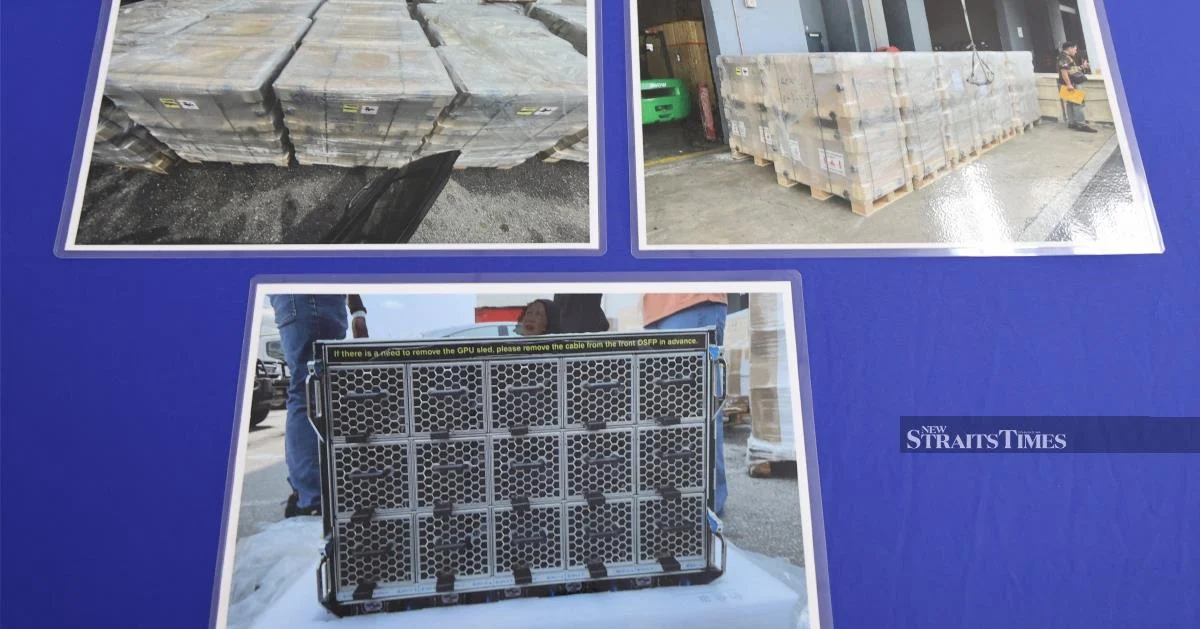
Singapore's police force has moved to confiscate a high-end residential property valued at over US$40 million in connection with a complex investigation centring on alleged unlawful transfers of advanced artificial intelligence semiconductor technology in violation of stringent United States export control regulations. The seizure, announced on Wednesday, represents a significant escalation in authorities' efforts to crack down on the suspected diversion of restricted technology, marking another instance of Singapore's role as a financial and technology hub becoming entangled in international trade compliance controversies.
The investigation reveals the intricate vulnerabilities within global supply chains governing cutting-edge semiconductor technology, particularly advanced chips essential for machine learning and artificial intelligence applications. These restrictions, imposed by the United States government, are designed to prevent sophisticated computing equipment from reaching destinations deemed sensitive to American national security interests. The alleged breaches highlight how criminal networks may attempt to exploit Singapore's position as a major trans-shipment centre for electronics and technology goods to circumvent these international safeguards.
The property seizure underscores Singapore's commitment to enforcing compliance with extraterritorial American sanctions and export regulations, a position that has become increasingly important as countries worldwide grapple with technology transfer concerns. By taking decisive action against suspected violators, Singapore demonstrates its willingness to cooperate with Western regulatory frameworks while simultaneously positioning itself as a trustworthy jurisdiction for international business operations. This balance is critical for maintaining Singapore's reputation as a stable commercial hub, particularly as geopolitical tensions surrounding semiconductor technology continue to intensify.
The luxury bungalow represents not merely a substantial asset but potentially also a repository of proceeds derived from the alleged illicit transactions. High-value residential properties in Singapore, particularly exclusive landed residences in prime districts, have historically attracted significant capital from both legitimate and questionable sources. The confiscation of such an asset sends a clear message to potential offenders that law enforcement agencies will pursue proceeds traceable to export control violations with the same vigour they apply to conventional organised crime.
For Malaysian readers and businesses operating in the region, this development carries important implications regarding compliance obligations and regulatory oversight. Malaysia, sharing Singapore's position as a Southeast Asian technology and manufacturing hub, faces similar pressures regarding the control of sensitive exports and the prevention of sanctions evasion. Malaysian companies engaged in the electronics, semiconductor, and technology sectors must remain vigilant about the origin and destination of their products, as well as the identities of their trading partners, to avoid inadvertent involvement in violations of American export controls.
The investigation also underscores the sophisticated nature of modern fraud and sanctions evasion schemes, which frequently involve shell companies, complex financial structures, and carefully disguised supply chain arrangements. Criminal actors may attempt to obscure the true beneficial owners of assets or the ultimate end-users of restricted technology through multiple intermediaries and jurisdictions. Singapore's law enforcement response demonstrates that financial investigation capabilities, asset tracing, and inter-agency cooperation remain essential tools for detecting and disrupting such schemes.
Moreover, this case reflects the broader geopolitical context in which technology competition between major powers—particularly the United States and China—has intensified dramatically. Export controls on advanced semiconductors have become a central policy instrument in efforts to restrict China's technological advancement and military modernisation. Consequently, enforcement against suspected violations has taken on heightened priority across multiple jurisdictions, with Singapore positioned at the intersection of these global currents.
The timing of the seizure also coincides with mounting international pressure on jurisdictions to strengthen anti-money laundering and counter-sanctions frameworks. Singapore has long maintained sophisticated financial crime investigation capabilities, but this case demonstrates the extension of such oversight into technology transfer and export control violation domains. The intersection of financial crime, sanctions evasion, and technology export control represents an emerging frontier for regulatory enforcement worldwide.
For investors and property buyers in Singapore, particularly those from the region, the case serves as a reminder that high-value asset acquisition remains subject to scrutiny regarding source of funds and beneficial ownership structures. While Singapore's property market continues to attract international capital, regulatory authorities have demonstrated increasing willingness to interdict transactions or seize assets where credible evidence of criminality emerges. This development may prompt greater due diligence expectations for real estate transactions involving parties with international business interests.
The investigation into the alleged AI chip export violations further illuminates the critical importance of technology literacy among compliance officers, legal advisers, and business decision-makers in multinational organisations. Understanding which products are subject to export controls, which jurisdictions have restrictions, and which corporate structures might inadvertently violate regulations requires specialised knowledge that many traditional business practitioners lack. This knowledge gap can prove costly, as demonstrated by enforcement actions against companies and individuals unaware of regulatory requirements.
Looking forward, this seizure likely represents only the initial phase of a broader investigation that may implicate additional parties, assets, and jurisdictions. Singapore authorities typically pursue such cases comprehensively, potentially leading to criminal charges, additional asset recoveries, and broader disruption of suspected smuggling networks. The eventual outcomes will provide valuable insights into how authorities across Southeast Asia approach the enforcement of American export controls within their territories, information particularly relevant for Malaysian regulators and businesses seeking to maintain compliance and avoid similar entanglements.

