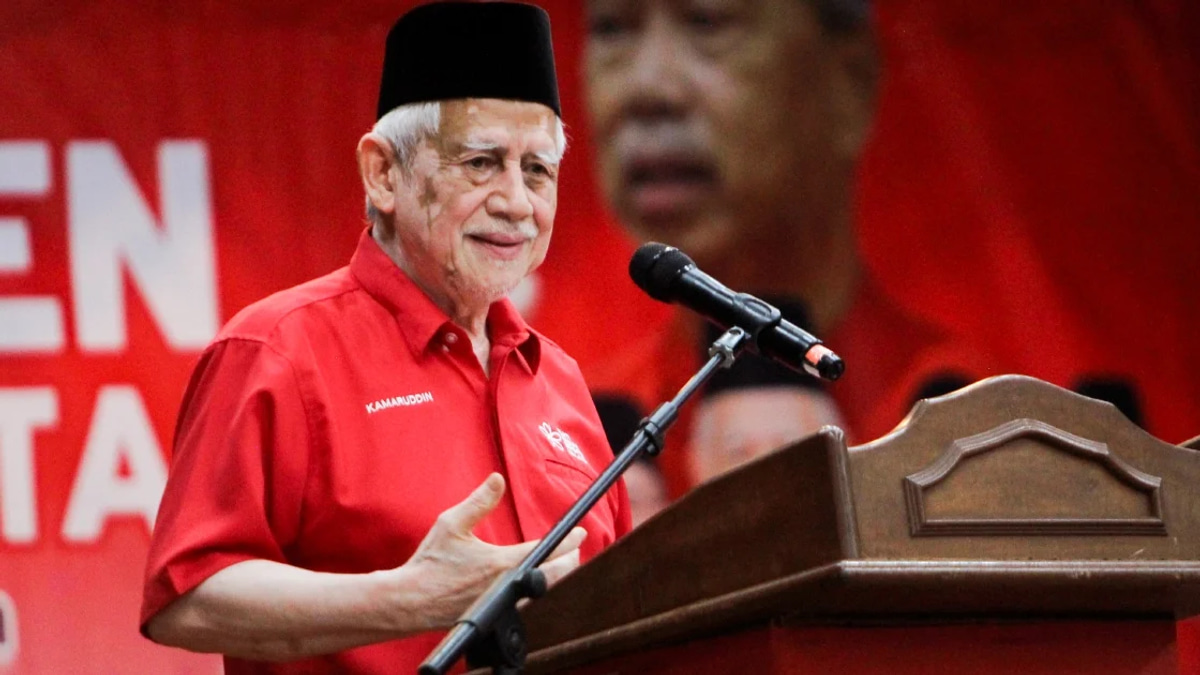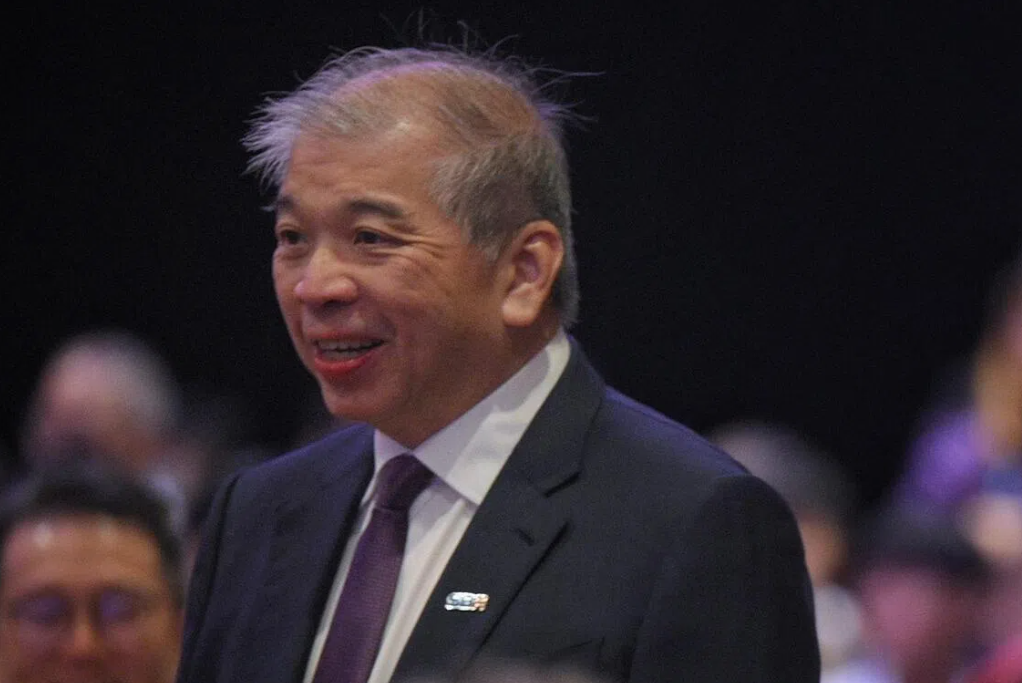
Singapore shipping magnate Teo Siong Seng and several other container industry executives have become defendants in two separate civil lawsuits filed in the United States, opening a new chapter in what prosecutors describe as a sophisticated global price-fixing conspiracy. The lawsuits, lodged in the District Court for the Northern District of California on June 2 and 9, represent the first wave of private litigation to follow criminal indictments brought by the US Department of Justice in January this year. Manufacturing firm C.A. Spalding Company and transportation firm Daybreak Express are seeking damages totalling millions of dollars, claiming they were direct victims of an orchestrated scheme to artificially elevate container prices over multiple years.
The civil complaints build upon criminal charges unsealed in May that identified five major container producers—China International Marine Containers (CIMC), Shanghai Universal Logistics Equipment, CXIC Group Containers, Singamas Container Holdings, and two unnamed manufacturers—as collectively controlling approximately 95 per cent of global standard dry container production. Teo, chief executive of Singamas, is the most prominent Malaysian-connected figure named among the defendants, though the cartel's membership and operations span multiple countries. The structure of the alleged conspiracy demonstrates remarkable coordination across competitors who would normally operate as rivals in an intensely competitive industry.
According to court filings, the conspirators employed remarkably systematic methods to enforce output restrictions and maintain artificially inflated prices. The scheme involved limiting daily production shift hours and operational capacity at manufacturing facilities owned by cartel members. Most striking was the installation of 87 video surveillance cameras across 49 production lines at member factories, ostensibly to monitor compliance with agreed-upon production caps and prevent any participant from breaking ranks. This level of operational integration across supposedly independent corporations reveals the depth of coordination authorities allege occurred at the executive level.
The financial impact on container prices was dramatic and measurable. Between 2019 and 2021, the price of a standard 20-foot shipping container more than doubled, rising from approximately US$1,600 to US$3,500. This trajectory coincided precisely with the alleged operational period of the cartel, providing investigators with clear evidence of price manipulation. For companies dependent on containerised shipping—a cornerstone of global trade—these price movements represented substantial unbudgeted cost increases that rippled through supply chains worldwide, affecting everything from manufacturing to retail distribution.
The financial benefits accruing to cartel members were substantial and transparently documented in corporate records that prosecutors obtained. CIMC's container division profits surged from 137 million yuan in 2019 to 1.99 billion yuan in 2020, then skyrocketed to 11.3 billion yuan in 2021. Singamas experienced an even more dramatic reversal of fortune, pivoting from losses of approximately US$110 million in 2019 to profits of roughly US$186.8 million by 2021. These earnings trajectories, combined with industry testimony about the cartel's operations, form the evidentiary foundation for damages claims in the civil suits.
The civil lawsuits carry particular bite through their use of treble damages provisions available under US competition law. If defendants are found liable, courts may order them to pay three times the actual financial losses proven by plaintiff companies. This mechanism serves both punitive and deterrent functions, ensuring that violators of antitrust law face consequences significantly exceeding their illegal profits. For Teo and his co-defendants, the financial exposure is potentially enormous, particularly given the widespread impact the alleged cartel had on hundreds of US businesses relying on container shipments.
US court records indicate that summonses were formally issued on June 8 and 11, requiring named executives and firms to file responses within 21 days of service. Failure to respond triggers default judgment, a severe consequence that essentially forecloses defendants from contesting the allegations. The listed individuals include CIMC figures Mai Boliang, Huang Tianhua, and Wan Yongbo; Shanghai Universal Logistics Equipment's Li Qianmin; CXIC Group Containers' Zhang Yuqiang; Singamas' Vick Ma; and Teo himself. Most defendants are Chinese nationals, reflecting the cartel's composition, though Teo's Singaporean citizenship underscores the international dimensions of the conspiracy.
Teo has maintained public silence regarding the allegations, declining to comment when approached by journalists about the civil suits. However, since his May indictment, the 71-year-old has strategically withdrawn from multiple high-profile positions, taking leaves of absence from Pacific International Lines where he serves as executive chairman, the Singapore Business Federation where he chairs the board, the Singapore Economic Resilience Taskforce, Enterprise Singapore's board, and his pro-chancellor role at the National University of Singapore. These withdrawals suggest recognition of the reputational damage potential in remaining visibly associated with significant commercial and governmental institutions while defending criminal and civil allegations.
Teo's departure from the Singapore Business Federation chairmanship, which he had assumed only weeks earlier in May, is particularly significant. The 71-year-old announced on May 28 that he would not seek re-election when his term concludes on June 24, having held the role for less than two months. His previous tenure as SBF chairman from 2014 to 2020 marked him as a respected senior figure in Singapore's business establishment. His recent election had occurred after predecessor Lim Ming Yan stepped down early to assume the Changi Airport Group chairmanship, a position that itself suggests the interconnected nature of Singapore's corporate leadership.
The contrast between Teo's stature in Singapore's business community and the serious allegations he now faces illustrates the potentially career-ending consequences of antitrust violations for even the most established executives. His statement on May 28 acknowledged the gravity of circumstances without admitting wrongdoing, explaining that his leaves of absence were motivated by his need to focus on the legal matters while protecting the reputation of organisations with which he was affiliated. This defensive posture is typical of defendants facing allegations whose outcomes remain uncertain.
For Malaysian and regional business observers, the case carries broader implications regarding competition compliance and executive accountability in supply-chain industries. Container shipping connects virtually all Asian economies to global trade networks, and price manipulation in this sector affects import and export costs across the region. The aggressive US enforcement approach—combining criminal prosecution with civil private actions—demonstrates Washington's commitment to pursuing even sophisticated, international cartels. Companies throughout Southeast Asia that depend on containerised logistics or compete in global supply chains should recognise that pricing coordination, however rationalised, faces unprecedented legal scrutiny from US authorities.
The allegations also highlight evolving standards of corporate governance and compliance, particularly regarding communication between competitors and monitoring mechanisms that could facilitate collusion. The alleged installation of surveillance cameras across production lines to enforce output restrictions represents an unusually transparent operational infrastructure for coordinating illegal activity, suggesting either remarkable confidence in secrecy or inadequate appreciation of antitrust risks. For multinational companies operating across multiple jurisdictions, the case underscores the necessity of robust competition law training and enforcement at executive levels, particularly in industries characterised by concentrated market structures where coordination risks are inherently elevated.