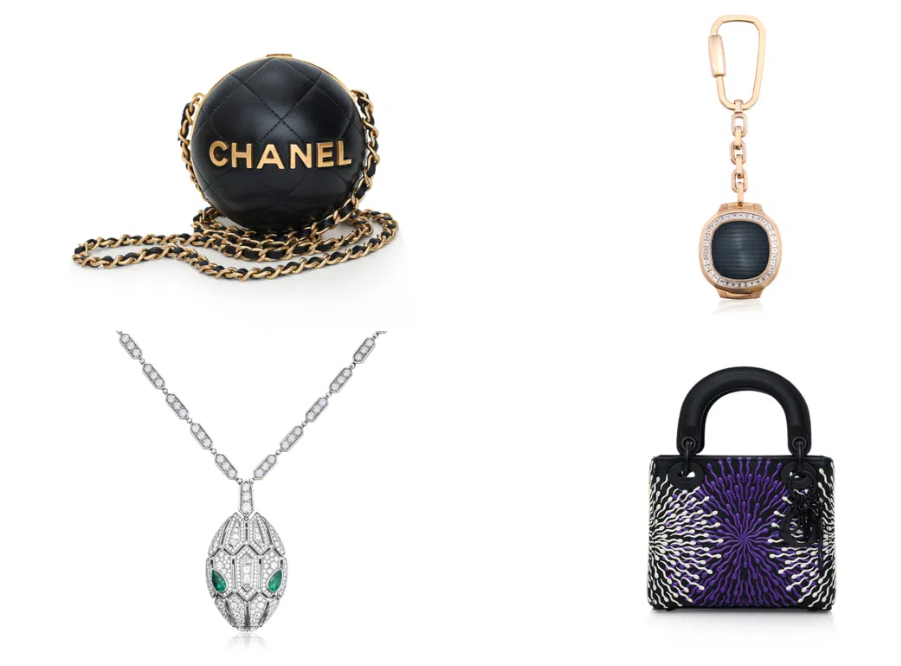
Singapore's authorities have embarked on an ambitious liquidation programme involving over S$1.25 billion worth of non-cash assets seized during the nation's most significant money laundering investigation. The disposal strategy centres on a series of carefully orchestrated online auctions designed to realise fair market value for confiscated luxury goods and real estate tied to the sprawling criminal network that was dismantled in August 2023.
The initial enforcement action, which shook Singapore's financial establishment, resulted in the arrest and subsequent conviction of 10 foreign nationals who have since been deported. That raid triggered a cascade of asset seizures encompassing everything from luxury timepieces and designer handbags to residential and commercial properties across the island nation. Nearly two years later, the police confirm that approximately S$1.4 billion from bank accounts and liquidated proceeds have already flowed into Singapore's Consolidated Fund, underscoring the massive scale of the criminal enterprise.
The Deloitte-led liquidation framework represents a sophisticated approach to converting seized assets into government revenue while maintaining transparency and international standards. Rather than a single bulk sale that might depress valuations, authorities have structured the programme as a phased auction process spanning multiple tranches. This strategy allows each category of luxury goods to be marketed to its appropriate audience and maximises competitive bidding among collectors and investors worldwide.
The first phase kicks off on September 7, 2026, when Hotlotz, the local auction house that previously achieved international attention by selling founding Prime Minister Lee Kuan Yew's personal fountain pen for S$461,500, will open bidding for two specialised auctions. The jewellery collection comprises more than 250 fine pieces from prestigious brands including Graff, Bulgari and Van Cleef & Arpels, while the handbag auction will feature over 300 designer items spanning Chanel, Louis Vuitton and Christian Dior. These inaugural sales will run for two weeks, with registration opening online at 10am on September 7 and closing at 4pm on September 20.
The auction structure explicitly welcomes global participation, recognising that ultra-luxury consumers operate in international markets where Singapore's reputation as a commercial hub lends credibility to the sales process. Mandatory identity verification requirements will apply to all participants, ensuring that the auctions maintain regulatory integrity whilst operating on a fully digital platform. This approach aligns with contemporary practices in high-value asset sales and addresses concerns about the legitimacy of bulk disposal of confiscated items.
Physical viewings present logistical considerations that authorities have addressed through appointment-based access to Le Freeport, Singapore's privately operated maximum-security vault facility in Changi. By limiting viewings to registered bidders and requiring advance bookings, organisers can manage traffic whilst ensuring that items remain under controlled conditions. Digital catalogues will be published contemporaneously with the auction opening, allowing bidders to conduct preliminary assessments before scheduling in-person inspections.
The initial two September auctions represent merely the opening salvo in a comprehensive liquidation strategy. Hotlotz has scheduled a further 13 tranches of sales stretching from September 2026 through May 2027, collectively presenting more than 1,000 items to the market. Subsequent auctions, anticipated for November 2026, will expand the offerings to include Hermès handbags and luxury timepieces from manufacturers such as Patek Philippe, Richard Mille and Rolex. This carefully paced rollout prevents market saturation whilst maintaining sustained media attention and collector interest.
The real estate component, involving more than 80 properties, requires different marketing mechanisms appropriate to the property market. Deloitte has engaged three specialist agencies—SRI, Edmund Tie & Company (SEA) and Knight Frank—to manage the residential and commercial asset sales. Certain premium properties will be marketed through expressions of interest processes conducted by List International Realty, offering flexibility in transaction structures and buyer negotiations. This diversified approach acknowledges that property acquisitions often involve negotiations beyond conventional auction formats.
The entire liquidation programme reflects evolving international standards for handling seized assets in major financial crimes. Rather than warehousing confiscated goods indefinitely or disposing of them through opaque channels, Singapore's authorities have chosen a transparent public sales model that allows legitimate buyers worldwide to acquire items at competitive prices. All proceeds flow into the Consolidated Fund, effectively channeling proceeds from criminal enterprise into legitimate government revenues—a principle increasingly embraced by law enforcement agencies grappling with sophisticated money laundering networks.
For regional observers, the Singapore case demonstrates both the sophistication of modern transnational financial crimes and the institutional capacity required to dismantle them. The breadth of the seizure—from S$1.45 billion in bank accounts to 483 luxury bags and 68 gold bars—illustrates how criminal networks embed illicit proceeds across multiple asset classes to obscure origins and complicate recovery. The polyglot nature of seized currencies and cryptocurrency, valued at over S$38 million, underscores the cross-border dimensions of the operation that initially attracted regulatory attention.
As Southeast Asia grapples with growing concerns about money laundering and financial opacity, Singapore's methodical approach to asset recovery offers instructive lessons. The coordinated efforts involving law enforcement, financial regulators, professional services firms and specialised auctioneers demonstrate institutional coordination that many regional peers continue developing. Additionally, the willingness to engage international auction houses and realtor networks signals confidence in transparent mechanisms whilst broadening the buyer pool for premium assets, potentially maximising recovery rates.
For Malaysian and other regional stakeholders, the Singapore enforcement action carries implicit messages about financial sector supervision and the consequences of hosting money laundering networks. The case underscores that sophisticated criminal operations eventually face detection through coordinated regulatory oversight, and that the infrastructure required to manage seized asset liquidation continues expanding as jurisdictions encounter larger financial crime cases. The multi-year timeline from initial raid to property auction illustrates the resource intensity of comprehensive asset recovery, suggesting that regional regulators must invest continuously in institutional capacity building.
As the auction process unfolds over the coming months, market observers will scrutinise realised valuations and the extent to which luxury goods command competitive prices in open sales. The outcomes will provide benchmarking data for future asset liquidation programmes across Asia-Pacific jurisdictions similarly managing proceeds from major financial crimes. Singapore's institutional commitment to transparency and international best practices positions the liquidation programme as a potential model for how sophisticated economies approach the complex intersection of criminal enforcement and asset recovery.

