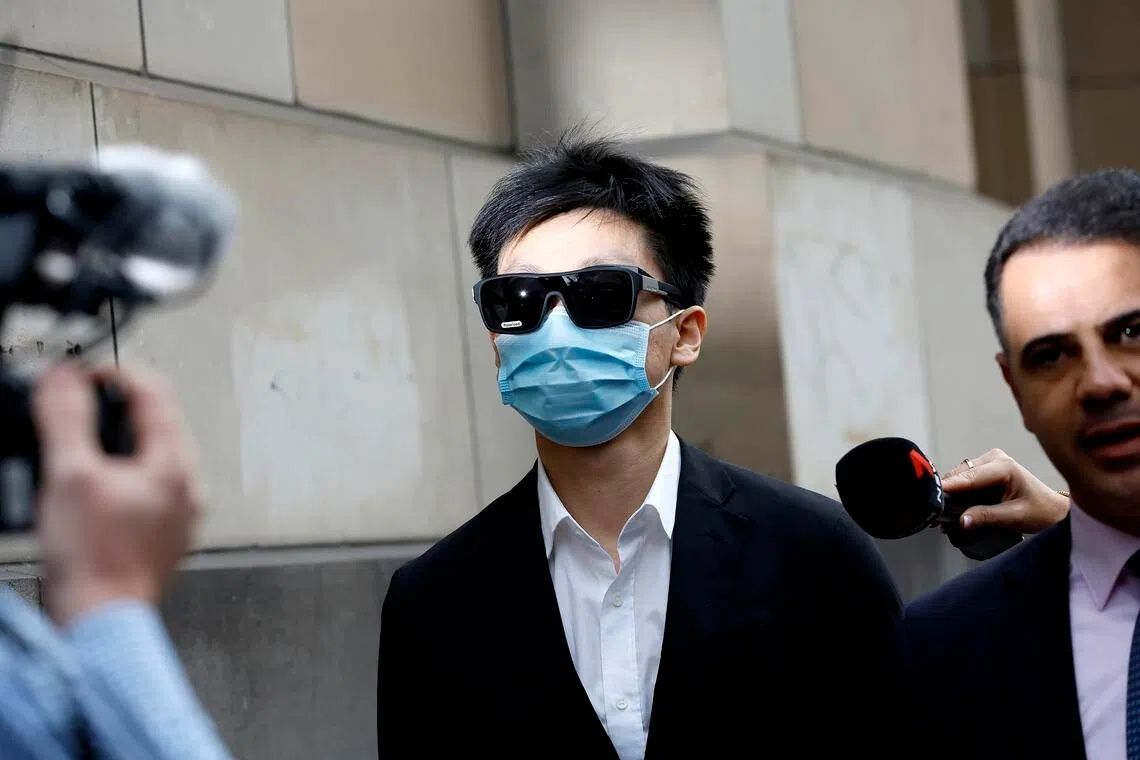
Ryan Cho, a 28-year-old trainee doctor from Singapore, entered guilty pleas on Thursday in Melbourne's Magistrates Court to 13 charges stemming from an extraordinary breach of workplace privacy that has shocked Australia's medical community. The young physician, who had his medical registration suspended by Australian health authorities in 2025, admitted to systematically and covertly recording colleagues in intimate settings across three of Melbourne's most prestigious medical institutions—the Austin Hospital, Royal Melbourne Hospital, and the Peter MacCallum Cancer Centre—over a four-year period from 2021 to 2025.
The scale of Cho's conduct emerged only after his arrest in July 2025, when staff at the Austin Hospital discovered a mobile phone concealed in a mesh bag placed inside a staff toilet. This discovery triggered a police investigation that would ultimately unearth a disturbing collection of intimate material. Investigators seized multiple electronic devices from his residence, including a laptop, hard drive, and mobile phone, from which they recovered more than 10,000 video and image files—including approximately 4,500 videos—depicting more than 500 victims. The sheer volume of recordings underscores the premeditated and sustained nature of the offences, distinguishing this case from a momentary lapse in judgment.
The charges that Cho has admitted to encompass stalking, installing optical devices for the purpose of recording private images, and the production of intimate images. Victorian police initially laid 910 charges, but these were subsequently consolidated into 13 counts with the agreement of both prosecution and defence counsel. During the brief court hearing, which lasted fewer than 30 minutes, Magistrate Michelle Mykytowycz confirmed she was satisfied there was sufficient evidence that a jury could convict Cho of the offences before he stood and entered his guilty plea to each charge.
For Malaysian observers, this case carries particular significance given the regional movement of professionals between Southeast Asian nations and developed countries like Australia. Cho represents a concerning example of how individuals admitted to prestigious professional positions and granted permanent residency can exploit the trust placed in them. He had studied medicine at Monash University and had been granted permanent residency status in April 2025, just months before his arrest. The fact that he victimised both hospital colleagues and individuals he shared residential accommodation with indicates that his predatory behaviour extended beyond the workplace into private settings where vulnerable individuals had reasonable expectations of privacy.
The discovery of this case has triggered broader institutional accountability measures throughout Australia's healthcare system. Approximately 100 victims, the majority of whom are women, have lodged human rights complaints against the three affected hospitals, alleging workplace sexual harassment and discrimination. These complaints have been filed with the Australian Human Rights Commission, suggesting that institutional failures may have allowed Cho's conduct to continue undetected for an extended period. Tony Carbone, managing partner at Carbone Lawyers, has indicated that additional hospital employees are expected to join the complaint, potentially exposing the three institutions to significant legal and reputational consequences beyond the criminal proceedings against Cho himself.
The case raises uncomfortable questions about workplace safety and institutional culture in hospital environments. That Cho was able to install recording devices in staff facilities and conduct surveillance across three separate major hospitals over several years without detection speaks to potential gaps in security protocols and workplace monitoring systems. For Malaysian healthcare administrators and policymakers, this Australian case serves as a cautionary example of the importance of robust physical security measures, regular safety audits, and a culture that encourages staff to report suspicious behaviour. The breach of colleague trust by a medical professional—someone entrusted with access to vulnerable patients and colleague confidentiality—carries particular gravity within the medical profession.
Choices surrounding Cho's personal circumstances have also become evident through court proceedings. His father, Wilson Cho, a logistics manager from Singapore, attended court proceedings and stated he had no knowledge of his son's alleged activities. Cho's legal representation described him as a "complicated young professional man" with "complex psychological issues," suggesting that mental health factors may have contributed to his offending behaviour. However, this characterisation does not diminish the deliberate and calculated nature of his actions—the concealment of recording devices across multiple locations indicates planning and intentionality rather than spontaneous misconduct.
Cho's bail conditions have been substantially restrictive and will remain in place until his sentencing hearing. He must report to police three times weekly, has surrendered his passport, cannot contact any witnesses or potential witnesses, and is prohibited from attending hospitals except in genuine emergencies and only with prior police approval. Additionally, he cannot access photographic or video devices outside his home and must undergo appropriate medical treatment. These conditions, guaranteed by a A$50,000 surety lodged by his parents, reflect the seriousness with which Australian courts regard the offences. His parents have committed to living in Melbourne during the proceedings to ensure their son's compliance.
The next significant date in the criminal proceedings is November 23, when the County Court will conduct a three-day pre-sentence hearing. During this hearing, victims will have the opportunity to provide impact statements, allowing the court to understand the psychological and professional harm inflicted by Cho's conduct. For victims working in demanding healthcare professions already characterised by stress and long hours, the violation of workplace privacy and the existence of intimate recordings has likely compounded the trauma associated with their professional environment. The pre-sentence hearing will therefore serve as a crucial moment for victims to have their experiences formally acknowledged within the judicial process.
This case carries implications extending well beyond the individual perpetrator or the three hospitals involved. It highlights vulnerabilities in workplace security systems at major institutions and raises questions about professional vetting processes and ongoing monitoring of individuals in positions of trust. For Malaysia's healthcare sector and other professional industries, the case demonstrates why investment in security infrastructure and a culture of vigilance are essential components of institutional governance. Furthermore, the incident illustrates how Australian immigration and professional registration processes, despite their generally high standards, can fail to prevent determined individuals from exploiting system weaknesses once admitted.
The regional dimension of this case—involving a Singaporean national working in Australia—also reflects the increasing mobility of skilled professionals across Southeast Asia and beyond. While cross-border professional movement brings significant benefits, cases like Cho's underscore the necessity for robust character assessment, background checking, and ongoing professional conduct monitoring. As the medical profession becomes increasingly globalised, with practitioners training and working across multiple jurisdictions, the mechanisms for protecting vulnerable colleagues and patients must evolve accordingly to prevent individuals with predatory inclinations from exploiting gaps in institutional oversight.

