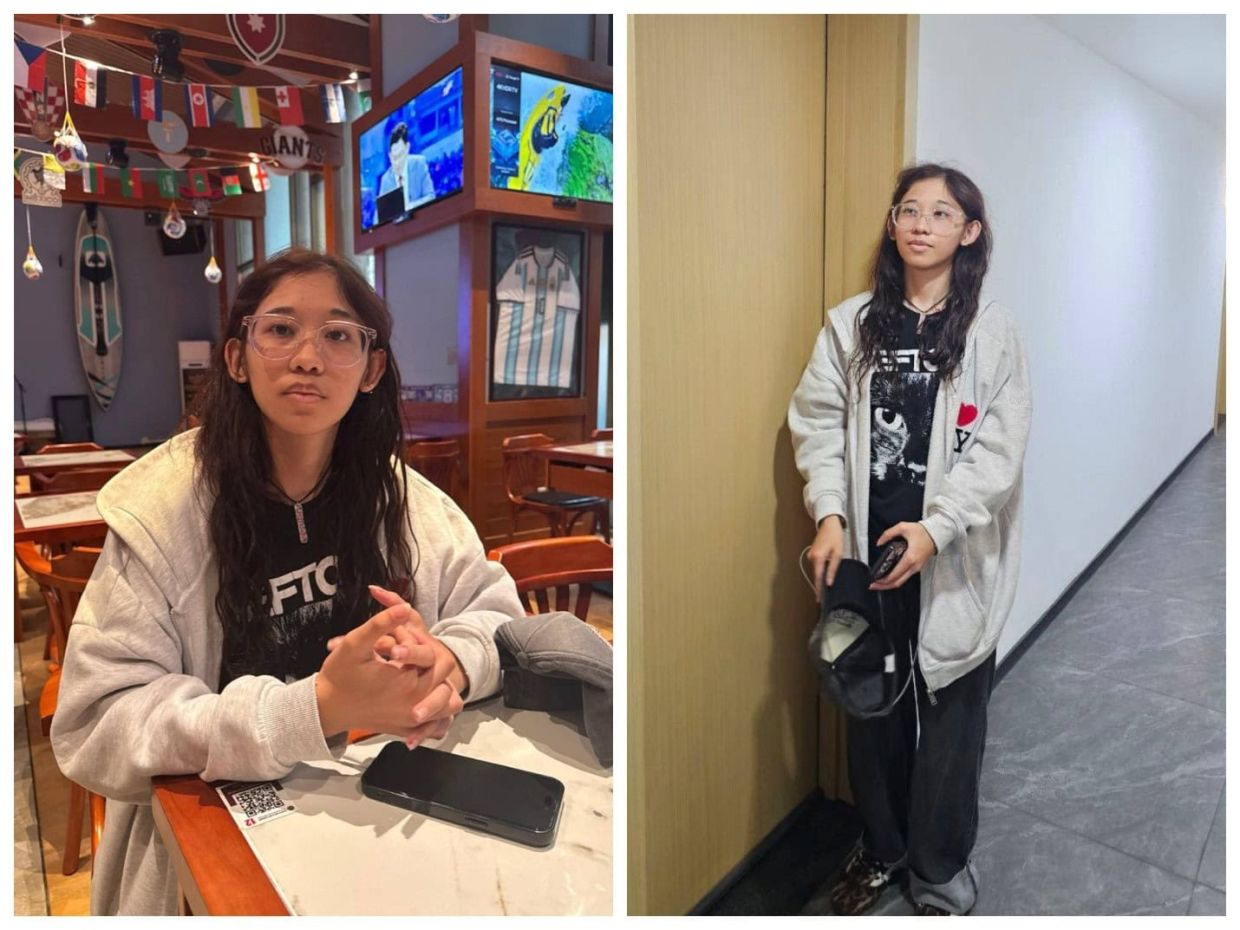
A highly publicized missing person case that sparked fears of human trafficking in Cambodia has concluded with the discovery that a young Singaporean woman had deliberately left her home rather than fallen victim to criminal activity. Aishah Siregar, 20, was located safe in Phnom Penh's Tuol Kork district after Cambodian authorities launched a rapid search operation triggered by media reports of her disappearance and her family's public plea for assistance.
The alarm was initially raised when Siregar's relatives discovered she had boarded a flight to Cambodia on July 28 without informing them of her plans. The circumstances surrounding her departure appeared deeply concerning—her WhatsApp and Telegram accounts had been deactivated, her mobile phone switched off completely, and she had transferred several hundred dollars to an unknown person in the preceding days. These factors, combined with reported communications with someone she had met through an online gaming platform, led her family and authorities to suspect she might have been lured into the type of cyber-scam compound operations that have increasingly plagued Cambodia and the wider region.
Cambodian Ministry of Interior spokesperson Touch Sokkhak clarified that Siregar had chosen to leave Singapore of her own volition, citing emotional and familial stress as her motivation for departing. She had deliberately severed communication with her family by disabling her mobile phone after arriving in Cambodia, a decision that inadvertently triggered the frantic search by relatives who found themselves unable to reach her and subsequently appealed to authorities and media for help locating her. The woman's brother, Syafiq Siregar, had disclosed to Singapore's Channel NewsAsia that she had been in contact with an online gaming acquaintance, raising suspicions about possible criminal involvement in her departure.
The speed with which Cambodian authorities responded to the case underscores the region's heightened sensitivity to trafficking and scam-related abductions. Touch Sokkhak revealed that the Ministry of Interior became aware of the situation on the evening of July 30 when journalists covering the story approached government officials about the family's concerns. Once notified, multiple agencies coordinated their efforts, including the Phnom Penh Municipal Police, the General Department of Immigration, and Cambodia's National Police, working in concert to locate and verify the woman's safety and whereabouts within the capital.
The swift resolution reflects both the efficiency of cross-agency cooperation in Cambodia and the critical role that media attention plays in resolving missing persons cases, particularly those involving potential transnational crime. Singapore's Channel NewsAsia had been instrumental in bringing the case to public attention after the family made their initial appeal, which subsequently prompted Cambodian authorities to mobilize their search efforts. This collaborative approach between journalists, families, and law enforcement demonstrates how public transparency can accelerate resolution of cases that might otherwise languish without wider visibility.
Singapore Police had initiated their own investigation into the matter and were liaising with Interpol in coordination with Cambodian counterparts before the woman was located. The involvement of international law enforcement agencies reflected the seriousness with which authorities in both countries treated the initial circumstances, particularly given the growing prevalence of trafficking operations throughout Southeast Asia and Cambodia's particular vulnerability as a transit and destination point for such criminal networks.
The case serves as a reminder of the genuine dangers posed by online scam compounds and trafficking rings that have become increasingly sophisticated in targeting young people, particularly those with access to digital communication platforms and financial resources. Cambodia has become a major hub for international cybercrime syndicates, and numerous documented cases have involved individuals being lured under false pretenses before being coerced into forced labor or other exploitative situations. The quick resolution of Siregar's case does not diminish the legitimacy of her family's initial concerns, which reflected justified alarm about real threats that continue to endanger vulnerable individuals throughout the region.
Cambodian authorities have indicated that administrative procedures and further investigations related to the case remain ongoing, though officials have declined to disclose additional specifics about Siregar's circumstances during her time in the country or the nature of her contact with the online gaming acquaintance. Touch Sokkhak stated that more detailed information may be released in coming days, suggesting that authorities are still gathering information for their records even as the immediate crisis has been resolved.
The incident highlights persistent vulnerabilities that families face in an increasingly digital age, where online relationships can develop rapidly and where young people may feel more comfortable confiding in distant online contacts than in their immediate family members. The emotional disconnect that prompted Siregar to depart—her reference to family stress according to Cambodian authorities—underscores how personal challenges and intergenerational tensions can sometimes drive individuals toward decisions that appear reckless from an outside perspective but may feel rational to those experiencing acute emotional distress.
For Malaysia and other Southeast Asian nations monitoring developments in Cambodia and the broader region, this case reinforces the importance of maintaining robust information-sharing protocols between law enforcement agencies and media organizations, particularly regarding missing persons cases involving potential transnational dimensions. The relative success of this particular operation demonstrates that coordinated responses can yield swift resolutions, though the underlying vulnerabilities that make individuals susceptible to trafficking and exploitation remain significant challenges requiring sustained attention from policymakers and community organizations across the region.

