Singapore's Prime Minister Lawrence Wong has offered formal condolences to Indonesia's President Prabowo Subianto in the aftermath of a powerful seismic event that struck off the coast of Flores in eastern Indonesia on Saturday, August 15, devastating the region and claiming numerous lives. The gesture underscores the significance of close diplomatic ties between the two neighbouring countries and reflects the wider regional response to natural disasters in Southeast Asia.
The initial earthquake, which measured 7.7 on the magnitude scale, unleashed considerable destruction across Flores island in the early hours of Saturday morning. According to Indonesian authorities, the toll mounted swiftly over subsequent hours, with confirmed deaths exceeding 50 people and a further 135 individuals sustaining injuries. The seismic activity caused widespread structural damage, with hundreds of houses and buildings either destroyed or severely compromised, rendering many communities temporarily uninhabitable.
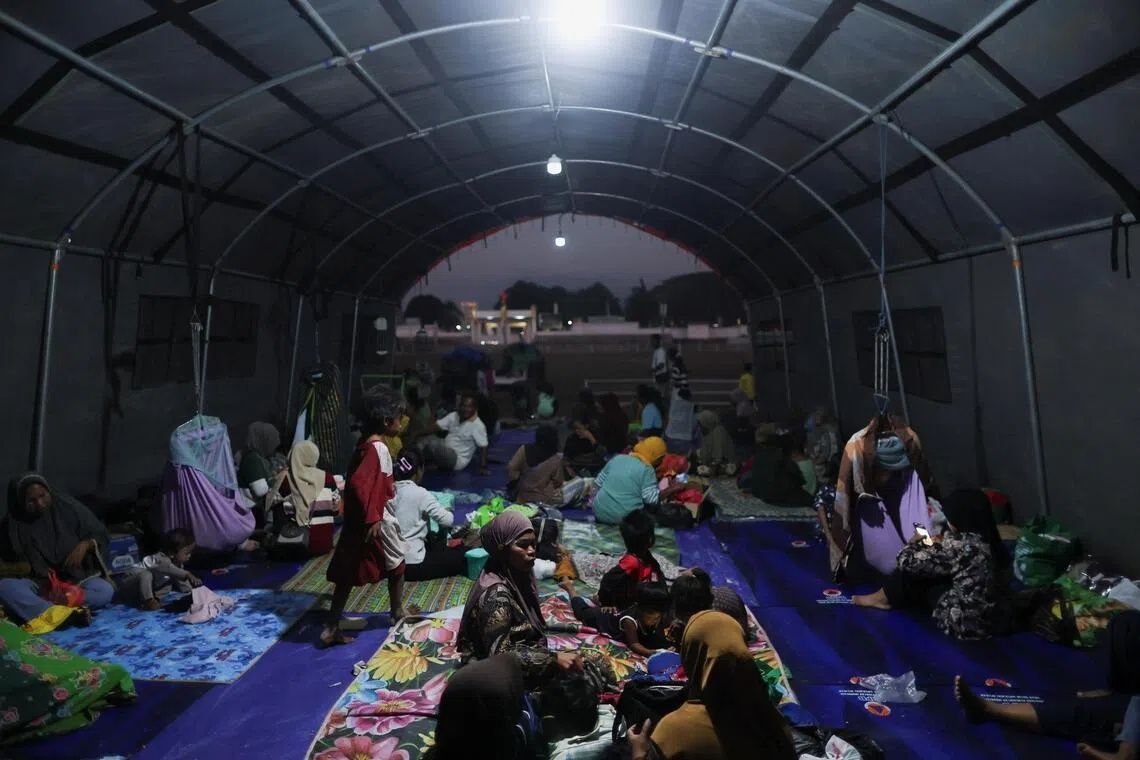
The human displacement from the earthquake was substantial and immediate. Approximately 5,000 residents evacuated their homes as the ground shook, with many experiencing acute anxiety following the occurrence of nearly 1,000 aftershocks that rippled through the affected area during the hours immediately after the initial quake. Such prolonged seismic activity, characteristic of major earthquakes in tectonically active zones, complicates recovery efforts and heightens the psychological toll on survivors already grappling with loss and uncertainty.
Complicating the crisis, a second significant earthquake struck just hours later. This subsequent quake, measuring 6.1 in magnitude, originated off the northern coast of Sumatra and served as a sobering reminder of the region's vulnerability to seismic activity. Fortunately, initial reports suggested this secondary event produced no fatalities, though its occurrence added strain to rescue and relief operations already stretched across multiple disaster zones.
Prime Minister Wong articulated Singapore's response through a Facebook statement released on Sunday, August 16, conveying his sadness at the loss of life and the extensive destruction caused by the successive earthquakes. His message carried the formal weight of the Singapore Government, extending sympathies to the families of those who perished and to all affected populations. This diplomatic communication represents a standard yet important protocol in regional crisis management, signalling both compassion and the readiness of neighbouring nations to provide support.
The statement from Singapore's Premier emphasised collective regional concern during a period of acute hardship for Indonesian citizens. Wong noted that the thoughts of Singapore were focused on the Indonesian people confronting this difficult juncture, while also acknowledging the extraordinary efforts of Indonesian authorities and emergency personnel mobilised for relief and recovery operations. Such language reflects the broader Southeast Asian ethos of mutual aid during natural disasters, rooted in shared experience of living in geologically unstable zones.
The situation on the ground in Flores presented urgent logistical challenges for rescue coordinators and humanitarian workers. According to assessments compiled by August 16, survivors faced critical shortages across multiple essential categories. Emergency shelter remained insufficient, with survivors requiring tent accommodation. Food supplies were inadequate for the displaced population. Medical supplies and pharmaceutical stocks had been depleted. Access to potable water remained compromised in many areas, raising public health concerns. Additionally, the lack of functional electricity generation capacity hampered communication efforts and hindered medical treatment capabilities in field hospitals.
The earthquake's timing and location placed it within Indonesia's wider seismic context. Flores, situated along the Pacific Ring of Fire, remains one of the world's most seismically active regions. The frequency and magnitude of earthquakes affecting Indonesia—occurring dozens of times annually across its sprawling archipelago—means that disaster preparedness and regional cooperation form crucial components of the country's governance and regional relationships. For Malaysia and other Southeast Asian nations, Indonesian disasters serve as reminders of shared environmental vulnerabilities and the importance of maintaining robust mutual aid frameworks.
Singapore's prompt diplomatic response also reflects pragmatic considerations underlying regional relations. Economic and security interdependencies between Singapore and Indonesia run deep, with regular trade flows, tourism connections, and strategic partnerships creating natural incentives for swift goodwill gestures during crises. The message from PM Wong thus carries multiple dimensions—humanitarian concern, diplomatic protocol, and practical positioning within the regional order.
The aftershock sequence following the primary Flores earthquake—nearly 1,000 tremors over a brief period—presented particular challenges for rescue operations and added to survivor trauma. Such prolonged seismic activity can cause additional structural collapses, hinder the safe operation of heavy equipment, and complicate the psychological recovery of affected populations already experiencing extreme stress. Recovery operations in such environments demand not only material resources but also technical expertise and patience.
Looking forward, the disaster underscores Southeast Asia's ongoing need for enhanced disaster management cooperation, improved building codes in vulnerable areas, and strengthened early warning systems. Singapore's position as a wealthy, technologically advanced city-state positions it to potentially contribute technical expertise or specialised rescue capabilities to Indonesian relief efforts, though such details were not specified in the initial diplomatic outreach. For Malaysian observers, the situation reinforces the reality that natural disasters transcend national boundaries and demand collective regional responses grounded in solidarity and practical assistance.

