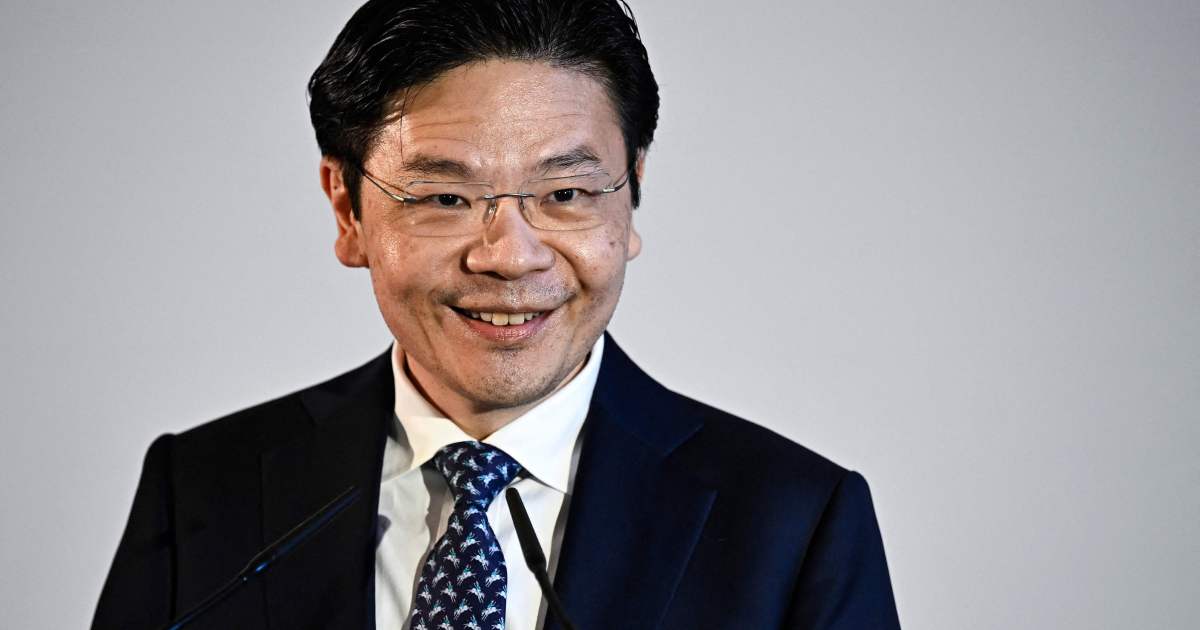
Singapore's political landscape is undergoing a notable transformation as Prime Minister Lawrence Wong revealed comprehensive cabinet restructuring and fresh political appointments on Wednesday, reflecting the government's deliberate succession planning and response to recent ministerial exits. The announcements underscore the People's Action Party's commitment to renewing its leadership ranks while maintaining institutional continuity during a critical period of transition.
The cabinet reshuffle represents more than routine administrative reshuffling typical of most governments. For Singapore, such restructuring carries deeper significance given the city-state's stable political system and the careful calibration required to balance youth and experience in key ministerial positions. Wong's decisions signal his intent to establish his own leadership identity following his ascension to the premiership, while simultaneously addressing vacancies created by colleagues who have departed from political office.
Recent resignations from political positions had necessitated the realignment of ministerial responsibilities and portfolio assignments. These departures, while not unprecedented, prompted questions about succession planning within Singapore's upper echelons of government. The cabinet changes announced by Wong appear designed to address these gaps strategically, ensuring that critical government functions remain in capable hands whilst creating pathways for emerging leadership talent.
The timing of these announcements holds particular relevance for Southeast Asian observers monitoring Singapore's governance. As the region's most developed economy and a key financial hub, Singapore's political stability directly influences broader regional confidence. Wong's methodical approach to leadership transition—combining retention of proven administrators with elevation of newer figures—demonstrates institutional maturity and long-term strategic thinking.
For Malaysian observers, Singapore's cabinet restructuring offers instructive lessons about succession planning in stable political systems. The emphasis on orderly transition and meritocratic advancement, even when resignations create unexpected vacancies, underscores institutional strengths that underpin Singapore's consistent governance quality. The manner in which Wong navigates these changes may provide comparative insights into managing leadership transitions within established administrative frameworks.
The new political appointments within Wong's cabinet likely reflect his policy priorities and vision for Singapore's future direction. Ministerial portfolios in areas such as finance, defence, home affairs, and foreign relations are particularly crucial in Singapore's compact but globally significant governance structure. The specific individuals elevated or reassigned to these positions will shape policy implementation across multiple critical domains.
Wong's reshuffle also carries implications for Singapore's international relationships and regional standing. Ministerial appointments in foreign affairs and defence carry particular weight given Singapore's strategic position between major powers and its crucial role as a trade gateway. The composition and experience of those assigned to external-facing portfolios influence how Singapore projects itself diplomatically and manages complex geopolitical relationships.
The cabinet changes reflect broader patterns of generational renewal occurring across Southeast Asian governments. Wong himself represents a younger generation of leadership compared to his predecessors, and his appointments likely continue this gradual transition, balancing the experience of senior figures with the perspectives and energy of mid-career professionals rising through ministerial ranks.
Institutional stability in Singapore depends significantly on the predictability and professionalism of its bureaucratic machinery. The cabinet reshuffle, by strategically repositioning talent and creating clear advancement pathways, reinforces this stability. Ministers understand the expectations placed upon them, and Wong's appointments signal which individuals he believes can navigate the complex demands of governing a densely populated, multi-ethnic city-state with significant regional responsibilities.
For business communities throughout Southeast Asia, ministerial changes in Singapore warrant attention given the republic's regulatory influence and role in regional trade frameworks. Appointments to finance, trade, and industry portfolios directly affect how Singapore conducts commerce with neighbours and manages economic relationships. The specific expertise and orientations of these appointees will influence policy direction on taxation, investment frameworks, and regional economic integration initiatives.
The cabinet restructuring also addresses the practical challenge of maintaining governmental effectiveness during periods of transition. By promptly filling positions and clarifying reporting structures and portfolio assignments, Wong prevents the leadership vacuum that can sometimes occur when senior figures depart. This pragmatic approach to managing change reflects Singapore's emphasis on institutional continuity over personality-driven governance.
Moving forward, the success of Wong's reshuffle will be measured by how effectively new appointees discharge their responsibilities and whether the restructured cabinet demonstrates coherent policy direction. The broader narrative extends beyond Singapore itself—demonstrating to the region how professional, stable governments navigate inevitable changes in personnel whilst maintaining their core institutional character and commitment to effective administration.

