A tragic structural failure in India's financial capital has claimed six lives after torrential monsoon rains destabilized a residential building in the Mankhurd locality of Mumbai. One person sustained injuries in the Sunday incident, according to Maharashtra officials. The disaster underscores the vulnerability of aging urban infrastructure across South Asia's densest metropolitan centres during the annual monsoon season, when rainfall intensity and duration test construction standards that often fall short of safety requirements.
State Minister Girish Mahajan, a senior Bharatiya Janata Party figure in Maharashtra, confirmed the collapse and announced that authorities would conduct a comprehensive investigation into how the building was originally constructed and maintained. His commitment to scrutinizing the structural integrity of the failed edifice reflects growing concern among Indian policymakers about inadequate oversight of residential projects in sprawling urban areas where rapid population growth frequently outpaces regulatory capacity. The inquiry will likely examine whether the construction adhered to building codes and whether the owner conducted necessary maintenance checks.
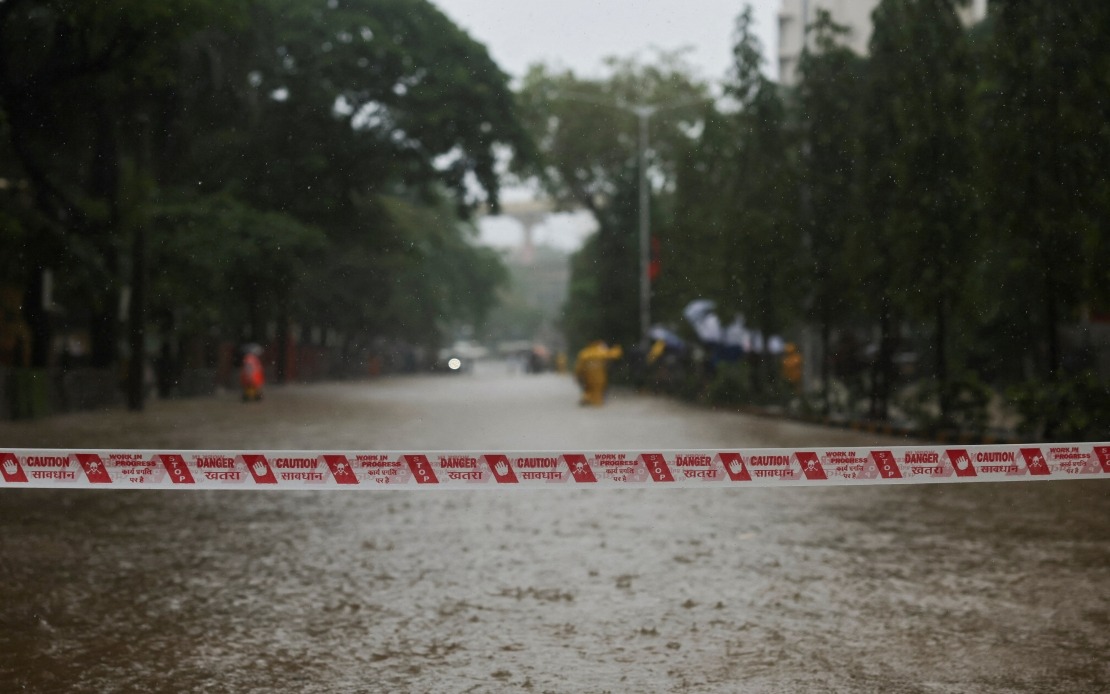
Beyond the immediate tragedy in Mankhurd, heavy rainfall and strong winds on Sunday created broader disruptions across Mumbai's critical infrastructure. The Chhatrapati Shivaji Maharaj International Airport, which handles domestic and international flights for one of Asia's busiest aviation hubs, experienced temporary operational delays as meteorological conditions deteriorated. These flight suspensions, though brief, affect thousands of passengers and highlight how extreme weather increasingly disrupts economic activity across India's commercial nerve centre.
The incident prompted Maharashtra's education authorities to declare a holiday for schools and colleges throughout the affected regions on safety grounds. Such precautionary measures, though disruptive to the academic calendar, reflect the severity of monsoon conditions that can transform streets into waterways and render transportation hazardous for commuters and children. For Malaysian readers familiar with tropical climate challenges, the scale of disruption in densely populated Indian cities during monsoon season parallels the risks facing Southeast Asia's own urban centres during northeast and southwest monsoon periods.
India's monsoon cycle typically commences in June and persists through September, bringing the subcontinent's annual rainfall that sustains agriculture but simultaneously poses formidable challenges for urban infrastructure. The concentrated precipitation across a four-month window creates acute stress on drainage systems, building foundations, and electrical networks in cities like Mumbai, where millions inhabit structures ranging from modern high-rises to decades-old residential complexes. Many older buildings in established neighbourhoods lack the reinforced foundations and waterproofing standards incorporated into contemporary construction practices.
Mumbai's Mankhurd area, where this collapse occurred, represents one of many densely populated localities where residential density strains existing infrastructure. The district has historically grappled with slum settlements and informal housing interspersed with formal residential buildings, creating a complex urban landscape where building quality varies dramatically. Investigations into this particular collapse will examine whether the structure fell within the formal housing sector subject to municipal oversight or represented an informal dwelling that escaped regulatory scrutiny.
The tragedy reflects broader systemic challenges facing South Asian cities as they accommodate explosive urban growth without proportional investment in infrastructure resilience. Climate scientists increasingly warn that monsoon intensification—linked to warming ocean temperatures—will produce more extreme rainfall events, further straining building standards developed for historical precipitation patterns. For policy planners across Southeast Asia, the Mumbai incident serves as a cautionary illustration of why accelerated building code enforcement and structural audits of aging residential stock demand urgent attention.
Official responses to such disasters often emphasize investigation and accountability, yet implementation of corrective measures frequently lags behind investigative timelines. Maharashtra's commitment to examining this building's construction history indicates recognition that structural failures represent preventable tragedies when proper standards are enforced from initial design through completion and ongoing maintenance. Whether this investigation translates into meaningful regulatory reform affecting Mumbai's broader building stock remains to be seen.
The human cost of such incidents extends beyond immediate mortality figures. Families lose breadwinners, survivors face physical and psychological trauma, and communities experience disruption that persists long after rescue operations conclude. For residents across South Asia's major cities—including those in Malaysia's own metropolitan areas—the Mumbai collapse reinforces the importance of regular structural assessments, transparent building permitting processes, and proactive enforcement of safety standards that prioritize human life over economic expediency.

