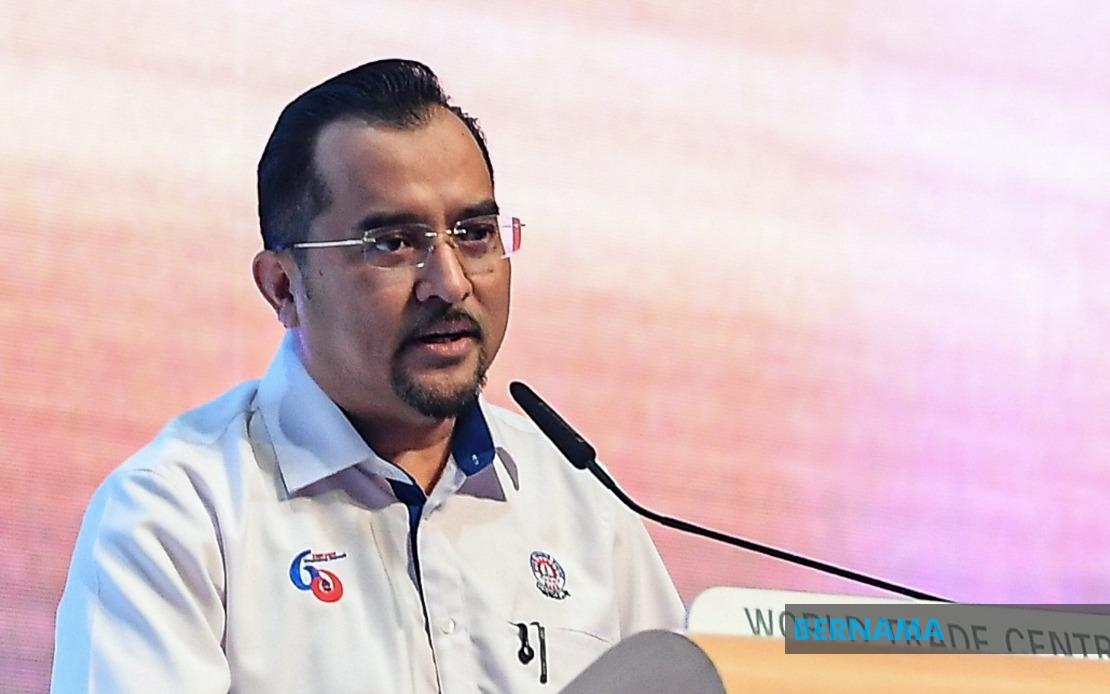
The leadership of MARA has moved swiftly to address a serious bullying allegation involving six Form Five students at a MARA Junior Science College in Johor, with the institution's chairman signalling that expulsion awaits those ultimately found responsible. Datuk Asyraf Wajdi Dusuki announced that disciplinary proceedings will commence immediately, with the College Disciplinary Committee required to convene within 24 hours to investigate the matter and recommend the harshest feasible penalties for any students determined to be culpable.
The bullying episode emerged into public view only after the parents of the 14-year-old victim decided to share their son's ordeal on social media platforms, detailing how the sustained harassment had become so intolerable that the adolescent had requested withdrawal from the residential college. The family subsequently lodged a formal police report, triggering an official investigation and resulting in the arrest and two-day remand of the six students involved. The incident underscores the persistence of institutional bullying within Malaysia's elite boarding school system, despite longstanding awareness of such problems among educators and policymakers.
In his statement released through Facebook, Asyraf emphasised that no justification exists for physical violence or intimidation between students, whether framed as disciplinary measures by seniors or casual peer aggression. He made explicit reference to MARA's standing policy, declaring unequivocally that "YOU TOUCH, YOU GO"—a direct message that physical contact or assault perpetrated by one student against another constitutes grounds for immediate removal from the institution. This messaging reflects growing institutional recognition that traditional tolerance for hazing and senior-junior hierarchical violence is incompatible with modern safeguarding standards and child protection expectations.
The zero-tolerance pronouncement carries particular weight given the prestige associated with MRSM institutions within Malaysia's secondary education landscape. These federally-funded elite colleges have historically cultivated strong alumni networks and are regarded as pathways to prominent roles in government and commerce. When bullying incidents surface at such institutions, they attract heightened public scrutiny precisely because of their status and the expectation that rigorous institutional oversight operates within their environments. The case also raises questions about residential college supervision, dormitory monitoring, and whether existing pastoral care systems proved adequate to detect or prevent the alleged mistreatment.
Ashraf directed criticism toward any notion that seniors engaging in violence could justify their actions as part of a disciplinary framework aimed at younger students. Such rationalisation has historically served as a cover for hazing rituals and bullying behaviour within boarding schools across Southeast Asia, where hierarchical traditions and acceptance of physical punishment have long persisted. By explicitly rejecting this framing, MARA's leadership is attempting to reshape institutional culture and signal that harmful conduct masquerading as tradition or discipline will face serious consequences.
The chairman also appealed to the student body to report bullying incidents without delay, urging victims and witnesses to approach teachers, wardens, or administrative staff rather than suffer in silence or consider departure from their educational institution. This represents an effort to shift the burden of responsibility away from vulnerable students and toward institutional authorities, while simultaneously attempting to overcome the reluctance that often characterises victim reporting in boarding school environments where peer pressure and fear of retaliation can discourage disclosure. The appeal underscores an acknowledgment that the existing reporting culture within MRSM facilities may require substantial reinforcement and refinement.
Equally significant was Asyraf's warning that anyone who attempts to conceal knowledge of bullying incidents or protect perpetrators would themselves face institutional action. This expansion of accountability beyond the direct perpetrators recognises that bullying ecosystems frequently depend upon networks of silence, complicity, and omertà among peers, staff, and administrators. By threatening consequences for those who shield wrongdoers, MARA is attempting to dismantle the protective mechanisms that allow misconduct to persist unchecked within closed institutional environments.
The incident occurs within a broader Malaysian and Southeast Asian context of heightened awareness regarding student wellbeing, particularly within the boarding school sector where children spend extended periods away from parental oversight. Recent years have witnessed increased media coverage of institutional abuse, cyberbullying, and violence within educational establishments, prompting calls for stronger safeguarding frameworks and clearer reporting pathways. The MRSM case demonstrates that elite institutions remain vulnerable to such problems and that institutional reputation does not correlate with the absence of harmful conduct.
The police investigation running parallel to MARA's disciplinary process raises the question of potential criminal charges against the six students involved. Depending on the severity and nature of the alleged bullying—whether involving physical assault, extortion, sexual harassment, or psychological abuse—criminal prosecutions under relevant statutes could proceed independently of the institutional disciplinary outcome. This dual-track approach, while potentially thorough, also creates complexity regarding timelines and information-sharing between police and institutional authorities.
For parents considering MRSM placement for their children, the incident and the institutional response offer mixed signals. While Asyraf's swift action and clear messaging suggest serious commitment to zero-tolerance enforcement, the fact that such conduct occurred within an elite residential college raises concerns about whether existing oversight structures and safeguarding protocols were genuinely adequate or whether they failed in execution. The reputational implications for MARA are significant, particularly if the investigation reveals that warning signs were missed or minimised by staff members.
Looking ahead, MARA will likely need to implement systemic improvements beyond the immediate disciplinary response to the six students involved. These might encompass enhanced staff training in recognising and responding to bullying, improved dormitory supervision protocols, revised peer mentoring systems that reduce hierarchical power imbalances, and clearer whistleblower protections for students who report concerns. The case presents an opportunity for MARA to establish itself as a leader in institutional safeguarding within Malaysia's boarding school sector, though only if follow-through extends beyond public statements to genuine structural reform.

