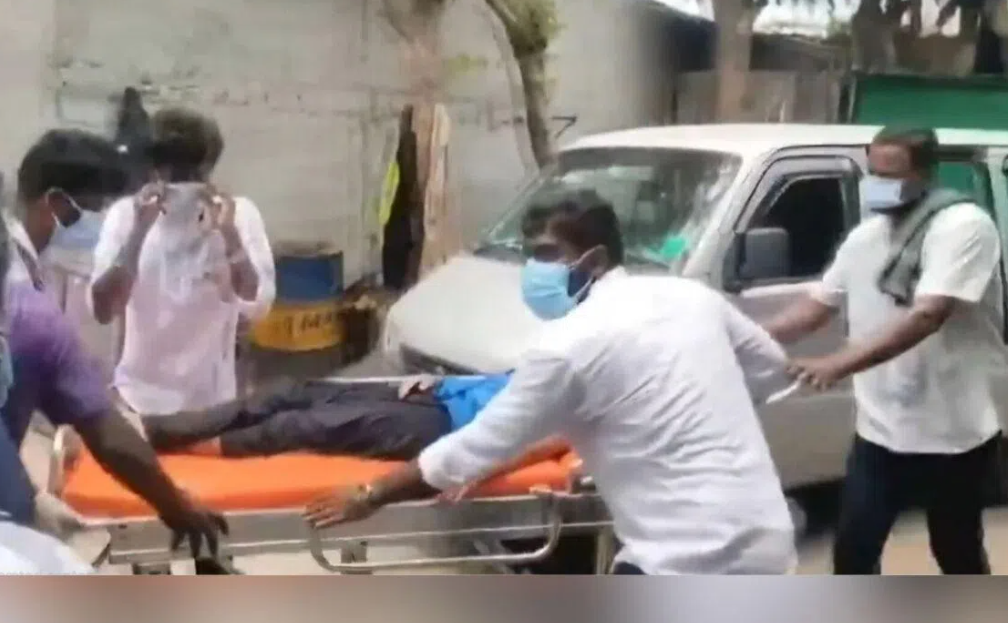
A catastrophic ammonia gas leak at a seafood processing facility near Periyapalayam in Tamil Nadu's Thiruvallur district claimed the lives of at least six workers on Sunday, with more than two dozen others requiring emergency hospitalisation. The incident has reignited concerns about occupational safety standards in India's export-oriented food processing sector, which employs hundreds of thousands of migrant labourers across the country.
The facility, which processes seafood for export markets, housed approximately 120 migrant workers at the time of the leak, predominantly from economically disadvantaged states including Assam, Odisha and Jharkhand. These workers typically accept positions in distant states due to limited employment opportunities in their home regions, often with minimal knowledge of their workplace's safety infrastructure or emergency protocols. The concentration of vulnerable migrant labour in a single facility amplifies the human cost of industrial accidents, as these employees frequently lack the social support networks or financial reserves to manage protracted medical crises.
The suspected ammonia release originated from the unit's refrigeration or processing systems, the authorities confirmed, spreading rapidly through sections of the plant before emergency services could contain the situation. Ammonia, a colourless gas with a pungent odour, poses acute health risks even at low concentrations; exposure symptoms typically include respiratory distress, ocular and nasal irritation, and in severe cases, chemical burns to mucous membranes. Several affected workers exhibited alarming symptoms including profuse nosebleeds and oral bleeding, markers of intensive chemical exposure that indicate either prolonged inhalation or exceptionally high gas concentrations within the facility.
The initial response involved widespread panic as workers attempted to evacuate the premises, with many collapsing before reaching safety. Emergency response teams, police units and local administrators arrived to establish medical evacuation protocols, transporting victims to nearby hospitals where several remained in critical condition. The chaotic nature of the evacuation highlighted potential deficiencies in the facility's emergency preparedness systems, including the absence of clearly marked evacuation routes, inadequate emergency alarm systems, or insufficient staff training for crisis scenarios.
Tamil Nadu Chief Minister C. Joseph Vijay issued immediate directives for comprehensive medical support to affected workers while simultaneously announcing a three-member inquiry committee tasked with investigating the incident's root causes. The committee received instructions to complete a detailed inspection and submit findings within 24 hours, an ambitious timeline that suggests authorities recognise the political sensitivity surrounding the incident and the necessity for rapid transparency. This investigation framework will likely examine the facility's maintenance schedules for refrigeration systems, the adequacy of gas detection and alarm mechanisms, and compliance records with Tamil Nadu's occupational safety regulations.
The police department has registered an official case regarding the incident, with investigations proceeding to establish whether systematic safety protocol violations precipitated the disaster. Key investigative areas will include determining whether the facility maintained adequate monitoring equipment to detect ammonia leaks, whether workers received proper safety training and personal protective equipment appropriate for their duties, and whether the company conducted regular safety audits or risk assessments. Such inquiries frequently uncover patterns of deferred maintenance, cost-cutting measures that compromise safety infrastructure, or inadequate staffing in safety-critical roles.
This tragedy reflects broader structural vulnerabilities within India's food export processing sector, where competitive pressure to maintain low operational costs sometimes conflicts with investments in safety infrastructure. Seafood export facilities operate on thin profit margins in intensely competitive international markets, and some operators may prioritise production quotas over rigorous safety maintenance. The presence of large numbers of migrant workers from impoverished backgrounds creates a ready supply of labour willing to accept hazardous conditions, reducing employer incentives to invest in comprehensive safety systems. Furthermore, migrant workers often possess limited awareness of their legal rights, making them less likely to lodge safety complaints that could jeopardise their employment.
For Malaysian readers, the incident carries particular relevance given Southeast Asia's integrated seafood supply chains and labour migration patterns. Malaysia itself hosts significant numbers of migrant workers in food processing and manufacturing sectors, and occupational safety standards for these vulnerable populations warrant ongoing scrutiny. The Tamil Nadu incident demonstrates how inadequate safety cultures can proliferate across a region when enforcement mechanisms prove inconsistent or inadequate, and when economic pressures override worker protection principles.
The inquiry committee's investigation will likely result in recommendations for enhanced safety certification requirements, more frequent independent audits of processing facilities, and strengthened penalties for safety violations. Whether these recommendations translate into meaningful systemic reforms depends substantially on implementation capacity and the political will to enforce standards consistently across the sector. Historically, such inquiries in India have sometimes produced recommendations that lack adequate follow-up or enforcement mechanisms, allowing problematic facilities to continue operations with minimal modifications to their safety protocols.
The incident also raises questions about international supply chain accountability, as many seafood products from Tamil Nadu facilities are exported to countries with stringent food safety standards. Yet importing nations typically focus on product safety rather than worker safety conditions, creating a disconnect where production facilities may maintain rigorous pathogen control measures while overlooking occupational hazards. Multinational buyers and retailers sourcing from such facilities increasingly face pressure from consumer advocacy groups and supply chain transparency movements to ensure their suppliers maintain adequate worker protection standards, not merely product quality assurance.