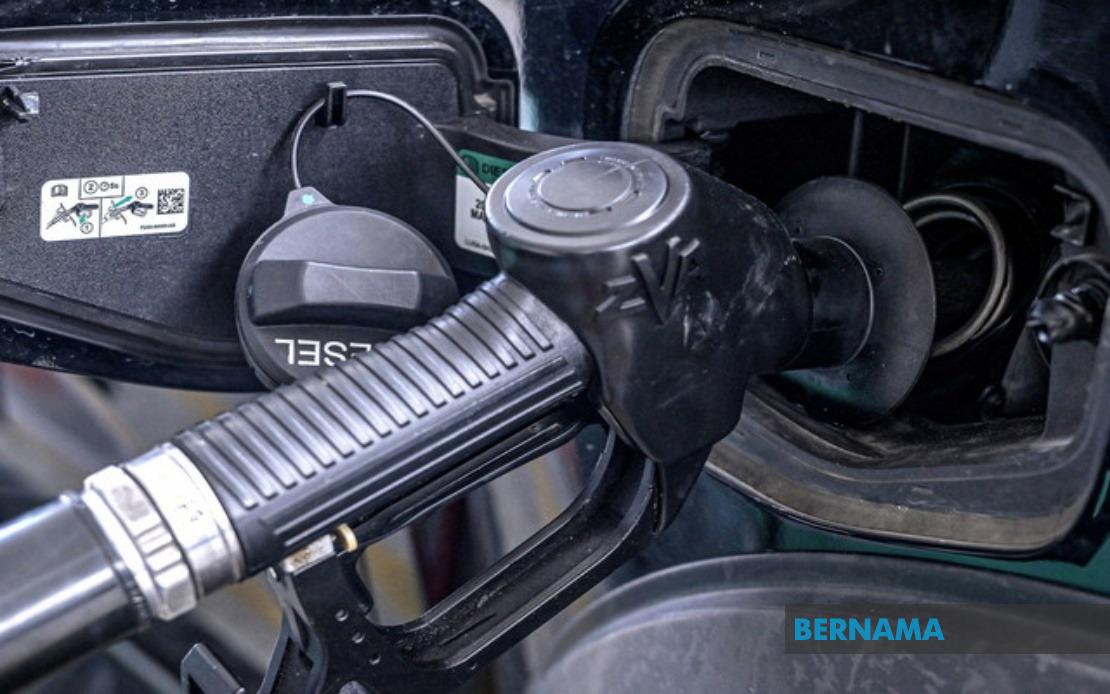
The Malaysian government has launched applications for its Subsidised Diesel Control System, extending the programme to encompass commercial vehicle operators in the land transport sector. Domestic Trade and Cost of Living Minister Datuk Armizan Mohd Ali announced the opening of the scheme on July 3, marking a significant expansion of diesel subsidy access for micro and small enterprises operating privately-owned company vehicles. The initiative specifically targets proprietors and partnership-based businesses that utilise jeeps, pickup trucks, and similar commercial vehicles for their operations.
Vehicles eligible for the SKDS programme must satisfy specific registration requirements within Malaysia's transport regulatory framework. Applicants must ensure their vehicles are formally registered as business vehicles under the Company Private Use classification, designated with the AE class or code within the Road Transport Department's MySikap system. This technical requirement ensures that only genuinely commercial operations qualify for the subsidy, preventing misuse by personal vehicle owners attempting to access government support intended for legitimate business operators.
Beyond vehicle registration standards, business owners themselves must meet strict criteria established by Malaysian authorities. The enterprise must be officially registered either as a sole proprietorship or as a partnership entity with the Companies Commission of Malaysia, or alternatively with the relevant local authority in Sabah and Sarawak. This regulatory gatekeeping mechanism reflects the government's intention to restrict benefits to formalised, documentable business structures rather than informal economic activities, thereby ensuring proper accountability and traceability of subsidy distribution.
Successful applicants will gain access to diesel subsidies commencing July 15, contingent upon formal approval by relevant authorities and the subsequent issuance of a fleet card. The fleet card serves as the operational mechanism through which beneficiaries access the discounted fuel pricing, effectively creating a trackable system for monitoring subsidy usage and preventing fraud or misappropriation. This phased implementation approach allows the government time to process applications and establish the logistical infrastructure required for seamless subsidy delivery across the country.
The SKDS programme represents part of a broader government initiative to manage fuel costs for essential economic sectors. Previously, the scheme had already been expanded to encompass public land transport operators and businesses engaged in consumer goods transportation. This latest extension acknowledges the significant role played by small and micro enterprises in Malaysia's economic ecosystem, recognising that transportation costs constitute substantial operational expenses for these businesses.
Small business operators dependent on vehicle transportation for their commercial activities face considerable financial pressures, particularly in an environment of fluctuating global fuel prices. By extending subsidised diesel access to proprietors and partnership entities, the government aims to alleviate some of these pressures, potentially improving the operational viability of micro enterprises that might otherwise struggle under elevated fuel costs. For sectors such as agriculture, local distribution, and service-based businesses relying on personal vehicle fleets, the subsidy could meaningfully impact profitability and sustainability.
The application process has been streamlined through the MySubsidi digital portal, enabling business owners to submit documentation efficiently without requiring physical visits to government offices. The government encourages eligible applicants to submit their applications promptly, suggesting that early processing may expedite approval and subsidy access. The digital platform approach reflects Malaysia's broader digital transformation agenda, reducing bureaucratic friction and enabling faster service delivery to citizens and business entities.
Eligibility remains limited to genuinely small operations, excluding large corporate structures or businesses operating fleet vehicles beyond typical micro-enterprise scales. This targeting approach ensures that limited government resources are directed toward the businesses most vulnerable to operational disruption from elevated fuel costs, rather than distributing subsidies across the entire business landscape. The restriction to sole proprietorships and partnerships effectively excludes private limited companies and larger corporate entities from accessing the programme.
Regional variations in the scheme's implementation, particularly provisions accommodating Sabah and Sarawak through alternative local authority registration pathways, reflect Malaysia's federal structure and the distinct administrative frameworks operating in East Malaysia. These variations acknowledge that businesses in Sabah and Sarawak may operate under different legal registration systems, and the scheme's flexibility demonstrates recognition that a one-size-fits-all approach would exclude legitimate enterprises in these regions.
For Malaysian entrepreneurs operating in transportation-dependent sectors, the SKDS expansion presents a concrete opportunity to reduce operational expenses and improve business sustainability. The scheme's emphasis on small and micro enterprises aligns with national economic development strategies emphasising entrepreneurship and small business support. However, business owners must navigate the registration requirements carefully, ensuring their vehicles are properly classified and their business entities formally registered before submitting applications through MySubsidi.
The diesel subsidy's scope and duration remain subject to government review and budget availability, meaning businesses should not assume indefinite access to subsidised fuel. Operators should factor current subsidy eligibility into financial planning while simultaneously developing strategies to improve operational efficiency and reduce fuel dependency. The programme should be viewed as temporary relief supporting business stability rather than a permanent structural feature of the operating environment.
Larger Southeast Asian implications remain modest, though Malaysia's approach to targeted subsidy delivery may offer lessons for neighbouring countries managing similar pressures to support small business sectors while controlling government expenditure. The scheme demonstrates how digital platforms can facilitate efficient subsidy distribution, a model potentially applicable across the region. For Malaysian businesses, particularly those in rural areas where fuel costs disproportionately affect operations, the SKDS expansion represents meaningful government support during economically challenging periods.

