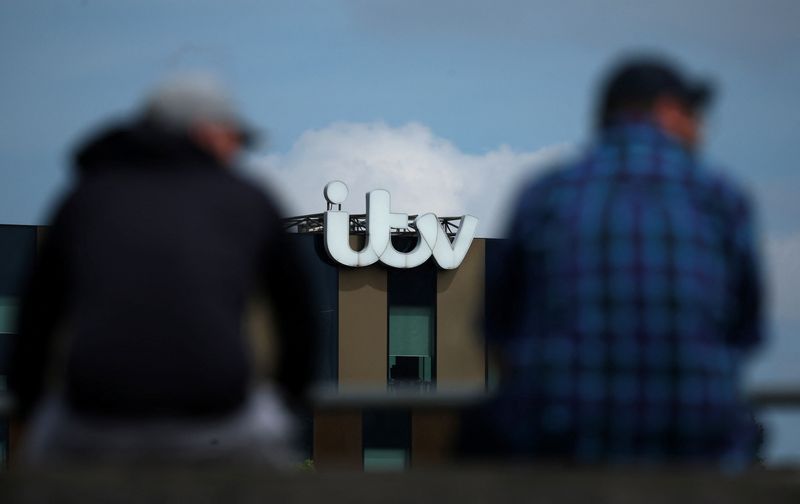
Comcast's Sky has secured agreement to acquire the broadcast channels and streaming operations of ITV, Britain's largest free-to-air commercial broadcaster, in a transaction valued at £1.6 billion ($2.13 billion). The deal, announced on Monday, represents a pivotal moment in British media consolidation, bringing together two traditionally separate segments of the television industry in a combination that would have been deemed impossible just years ago. Sky Chief Executive Dana Strong characterised the agreement as historically significant, marking one of the most substantial transactions in the nation's broadcasting history, though the merger will require approval from regulators and parliamentary oversight before proceeding.
The convergence of ITV's public-service free-to-air channels with Sky's dominant pay-television business reflects an industry-wide scramble for competitive advantage against global streaming platforms. The traditional television sector faces existential pressures as audiences, particularly younger demographics aged 16 to 24, increasingly abandon conventional broadcasting in favour of YouTube, Netflix, Amazon Prime Video, and Disney+. The combined entity will serve more than 20 million households across Britain, positioning the merged company as a formidable contender capable of investing in original programming and competing with overseas technology giants that have transformed media consumption patterns.
Analysts project that the merged operation would command more than 70 per cent of the United Kingdom's television advertising market, a concentration figure that immediately raises regulatory red flags. The television advertising share includes existing third-party contracts, such as those held by Sky for Paramount-owned Channel 5, arrangements that regulators may require the combined company to divest to address monopoly concerns. This structural issue will likely dominate discussions with the Competition and Markets Authority and shape conditions that the new entity must satisfy to gain approval. Strong pledged that ITV would maintain its status as a public service broadcaster essential to British culture, a commitment clearly designed to address concerns about cultural influence and regulatory legitimacy.
Culture Minister Lisa Nandy signalled openness to permitting consolidation that once would have faced automatic rejection, reflecting a government-wide pivot toward facilitating media sector growth and investment competitiveness. Just last week, Nandy indicated willingness to intervene directly in international media transactions, specifically the proposed Paramount-Warner tie-up, demonstrating that the government possesses both appetite and authority to shape broadcasting consolidation. This political environment suggests that Sky's acquisition may encounter a more receptive regulatory climate than historical precedent would indicate, provided the company addresses competition concerns through structural remedies and public interest commitments.
ITV's standalone status as a production business represents a novel outcome for the historic broadcaster. The company will operate independently while supplying programming to the combined Sky-ITV entity, alongside manufacturing shows for other broadcasters and global streaming platforms. This arrangement permits ITV Studios to continue producing acclaimed series including Love Island and Coronation Street for the merged broadcaster, whilst simultaneously developing content such as Rivals for Disney and The Reluctant Traveller for Apple TV. The production business will additionally absorb Love Productions, the company behind The Great British Bake Off, expanding its creative portfolio and revenue streams beyond a single broadcaster.
Financial terms demonstrate the complexity of valuing traditional media assets in a streaming-dominated environment. ITV shareholders will receive £1.2 billion in immediate cash payments, with an additional contingent consideration of up to £200 million dependent on advertising performance during the 2027 financial year. This earn-out structure reflects underlying uncertainties about television advertising market resilience and ITV's ability to maintain audience share against entrenched competitors. The transaction value represents recognition of ITV's intellectual property portfolio and production capabilities, yet also reflects depressed valuations that traditional broadcasters command relative to technology and media companies generating returns through subscription and advertising models.
ITV's share price trajectory underscores the financial pressures confronting traditional broadcasters. Trading at 82 pence on the announcement day, the stock has declined 36 per cent over the preceding five years, reflecting sustained investor concerns about advertising market contraction and audience fragmentation. The company has endured persistent challenges from a deteriorating advertising landscape as brands redirect spending toward programmatic digital channels and social media platforms offering superior targeting capabilities. This shareholder performance illustrates why consolidation through a well-capitalised partner like Comcast becomes increasingly attractive to ITV's board and investors seeking to stabilise valuations and position the business for sustainable long-term operation.
The merged company has committed to minimum expenditure of £2.1 billion on content production during the 2028-2032 period, a substantial pledge designed to demonstrate serious commitment to quality British programming and justify the consolidation to cultural critics and regulators. This investment commitment represents an attempt to assuage concerns that cost-cutting would follow merger completion, a historical pattern that typically accompanies large-scale media consolidation. By pledging sustained content investment, Sky and ITV aim to position their combination as beneficial to British cultural production and audience experiences, framing the deal not merely as a financial transaction but as necessary investment in the nation's creative industries.
Sky's ownership by American telecommunications giant Comcast introduces international dimensions to domestic British regulatory considerations. Comcast acquired Sky in 2018, fundamentally transforming the ownership structure from decades of association with Rupert Murdoch, whose family retained key operational positions. The Murdoch family's gradual departure from Sky ownership reflected their broader withdrawal from European media assets and focus on News Corporation operations. Comcast's June announcement of plans to separate its media assets, including NBCUniversal and Sky, from its cable business operations signalled that the company views media investments as requiring independent strategies rather than integration with broadband and telecommunications operations, a recognition that content businesses operate under entirely different competitive dynamics than connectivity services.
The Sky-ITV transaction will attract intense scrutiny from dealmakers and corporate strategists across Britain's media and technology sectors, who are evaluating whether the political and regulatory environment has fundamentally shifted toward permitting consolidation that previously would have faced insuperable obstacles. The government's 2025 directives prioritising growth and investment conditions have signalled receptiveness to arguments about competitive necessity and scale requirements in global media markets. If regulators approve the transaction subject to manageable conditions, the precedent could unlock additional consolidation discussions across British media, potentially reshaping the industry's competitive structure. Conversely, if regulators impose severe restrictions or block the transaction entirely, the decision would reinforce traditional limitations on broadcasting consolidation and limit Sky's strategic options.

