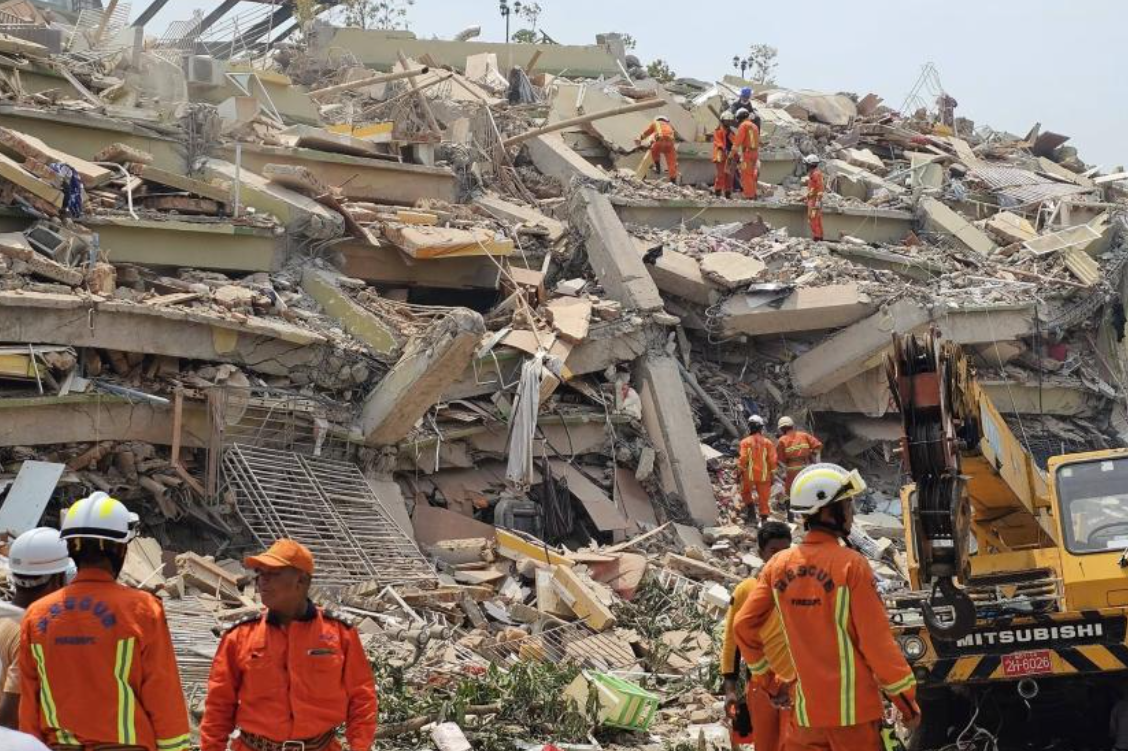
U Naing Htun Lin, proprietor of Sky Villa Condominium, has received a five-year prison sentence with hard labour from the Aungmyaythazan Township Court for his role in one of Myanmar's deadliest structural disasters. The 11-storey residential complex collapsed during a devastating earthquake, resulting in more than 200 confirmed deaths, making it the primary casualty site from the natural disaster. The court's verdict, handed down on June 23, comes after protracted legal proceedings that began with charges filed under Section 304-A of the Penal Code, which addresses causing death by negligence.
The case trajectory reveals a legal process that intensified as investigations progressed. Lin was initially charged on February 10 and permitted to face trial while on bail, a standard procedure allowing defendants to remain free pending court resolution. However, the judicial stance shifted dramatically on March 17 when magistrates revoked his bail and remanded him into custody, signalling prosecutors' growing confidence in their case and heightened concerns about flight risk or obstruction. The Special Investigation Department, represented by staff officer U Zaw Moe Aung, pursued charges with vigour, establishing negligence as the critical legal axis in seeking accountability.
The Sky Villa complex, situated in central Mandalay between 21st and 22nd Streets on 60th Street within Aungmyaythazan Township, stood as a symbol of the broader construction vulnerabilities that contributed to Myanmar's earthquake casualties. The building's catastrophic failure during the seismic event sparked immediate scrutiny into construction standards, materials integrity, and regulatory oversight. The recovery of more than 200 bodies from the rubble established Sky Villa as the earthquake's single deadliest building collapse, overshadowing damage at other structures throughout the affected region.
Linked closely to the condominium's construction was NTL Construction Company, the firm responsible for building the complex. U Naing Htun Lin's wife, Daw Thet Thet Khine, serves as managing director of this enterprise, creating a direct corporate connection between the ownership structure and the actual development process. This relationship adds layers of complexity to questions about responsibility distribution and whether construction deficiencies originated from design flaws, material failures, poor workmanship, or inadequate structural engineering—factors that judicial proceedings must distinguish to assign proper liability.
In the months following the tragedy, Lin's family took steps aimed at acknowledging victims' losses and providing material support to grieving families. Through a series of three separate commemorative ceremonies conducted at a monastery pavilion located on 19th Street in Mandalay, the group publicly expressed remorse for the disaster. These gatherings served both as expressions of contrition and as forums for distributing financial compensation, with the family offering 10 million kyats to the bereaved relatives of each person killed in the collapse. While such gestures do not erase the tragedy or diminish legal culpability, they reflect an attempt at reconciliation and recognition of the profound human toll.
The sentencing marks a critical juncture in Myanmar's evolving approach to holding private sector actors accountable for public safety failures. The application of negligence charges against a property developer signals judicial willingness to examine whether negligence contributed to catastrophic outcomes. For Myanmar's construction industry and Malaysian readers monitoring regional building standards, the case underscores the importance of rigorous enforcement of building codes, structural inspections, and contractor accountability mechanisms. Many Southeast Asian nations continue grappling with balancing rapid urban development against safety imperatives, making Myanmar's prosecutorial approach relevant across the region.
The legal saga remains ongoing, with complexity layered through additional review proceedings. The Aungmyaythazan District Court has initiated a criminal revision process, designated Case No. 39Ka/2026, involving examination of the original verdict's legal foundation and procedural correctness. Both prosecution and defence are vigorously pursuing appeals and revision applications, indicating neither side views the five-year sentence as conclusive. These parallel proceedings suggest potential grounds for legal challenge regarding evidence interpretation, sentencing proportionality, or procedural compliance that remain contested.
The broader implications of this case extend beyond individual accountability to systemic questions about earthquake preparedness and construction resilience in seismic zones. Myanmar's building sector, like many developing economies in the region, operates within frameworks that sometimes prioritise speed and cost-efficiency over stringent safety standards. The Sky Villa collapse and subsequent prosecution may catalyse governmental review of inspection protocols, material certification requirements, and structural engineering oversight. For Malaysian authorities and developers, the case illustrates how natural disasters can expose structural weaknesses and trigger enhanced regulatory scrutiny that reshapes industry practices across years.
The humanitarian dimension remains central to understanding this prosecution's significance. Over 200 families lost loved ones in the Sky Villa collapse, experiencing trauma compounded by the catastrophe's sudden nature. The five-year sentence, though unlikely to restore what was lost, represents judicial recognition that preventable negligence contributed to mass casualties. For earthquake-vulnerable regions throughout Southeast Asia, including parts of Malaysia and surrounding countries, the case demonstrates that accountability mechanisms exist—however imperfect—to address systemic failures when natural forces expose human shortcomings in construction and oversight.

