The Malaysian Association of Social Workers (MASW) has heralded the introduction of the Social Work Profession Bill 2026 in Parliament as a transformative moment for a profession that has long operated without formal legal recognition. The tabling of the legislation represents the culmination of more than a decade of sustained advocacy, during which social workers, educators and practitioners from both government and non-government sectors have worked to develop a comprehensive framework that addresses the unique needs of Malaysia's social work workforce while protecting the public interest.
The significance of this development extends beyond the professional community itself. By establishing formal regulation and standards for social workers, the bill addresses a critical gap in Malaysia's social protection infrastructure at a time when demand for mental health services, family support and community welfare interventions continues to grow. The absence of a regulatory framework has historically created challenges in ensuring consistent quality and ethical standards across the sector, leaving vulnerable populations dependent on the goodwill and individual competence of practitioners rather than systemic safeguards.
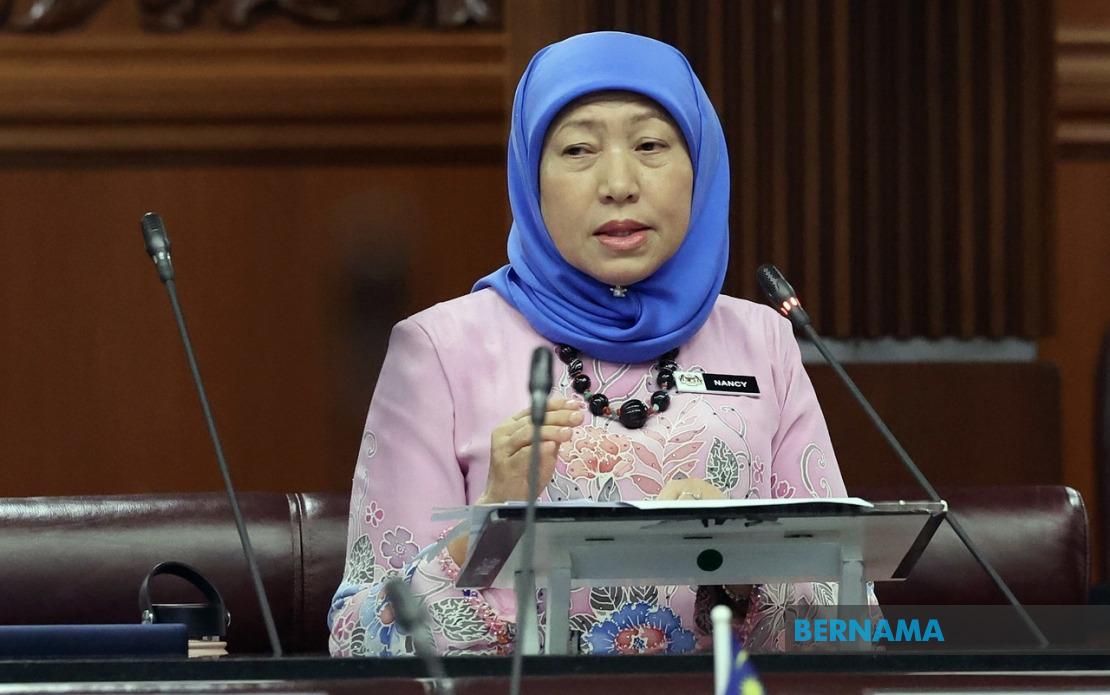
Women, Family and Community Development Minister Datuk Seri Nancy Shukri has earned recognition from MASW for her ministry's steadfast commitment to advancing the legislation through Parliament. This ministerial support has proven crucial in elevating social work from a peripheral concern to a central component of Malaysia's policy agenda. The collaboration between the ministry and professional bodies demonstrates how government and civil society can work in tandem to modernise outdated regulatory frameworks and respond to evolving societal needs.
According to MASW president Dr Teoh Ai Hua, the bill affirms a fundamental principle: that the protection, wellbeing and dignity of Malaysians depend fundamentally on a social work workforce that is competent, ethical and professionally recognised. This formulation reflects a crucial shift in how the profession is understood within government circles—not as a charitable or supplementary function, but as an essential component of the state's duty to its citizens. The formal legal recognition embedded in the bill will grant social workers greater authority and credibility when advocating for their clients' needs within government agencies and courts.
The bill's alignment with international standards carries particular weight for Malaysia's positioning in the region. By adopting frameworks consistent with the Ha Noi Declaration on Strengthening Social Work towards a Cohesive and Responsive ASEAN Community (2020) and the Global Standards for Social Work Education and Training (2020) developed by the International Association of Schools of Social Work (IASSW) and the International Federation of Social Workers (IFSW), Malaysia signals its commitment to regional cooperation on social welfare issues. This standardisation will facilitate professional mobility within ASEAN, enabling Malaysian social workers to work across borders and allowing the country to learn from best practices elsewhere in the region.
The legislative journey has been notably lengthy, with preparatory work commencing in 2010. This extended timeline reflects both the complexity of drafting legislation for a profession that intersects with multiple government ministries and the political challenges of prioritising social welfare legislation amid competing parliamentary demands. However, the extended consultation period has also ensured broad stakeholder input, incorporating perspectives from social work educators who train the next generation of practitioners, frontline workers familiar with implementation challenges, and government administrators responsible for deploying social workers across various agencies.
Vice-president Dr Mohd Iqbal Haqim Mohd Nor characterised the bill's tabling as the transformation of years of advocacy into tangible hope for the profession. This language captures an emotional dimension often overlooked in legislative processes: the morale and validation that formal recognition provides to workers who have long felt undervalued by the state. For thousands of social workers who have pursued this career despite limited career progression opportunities and insufficient salary scales compared to similarly qualified professionals, the bill represents institutional acknowledgment of their worth.
However, the passage from introduction to law remains uncertain. MASW honorary secretary Amy Bala has strategically called on Members of Parliament to engage in constructive deliberations that strengthen rather than weaken the bill's provisions. This approach acknowledges that while there is broad support for the profession's regulation, disagreements may emerge over specific mechanisms—such as qualification requirements, disciplinary procedures, or scope of practice. Her emphasis on transparency and adequate resourcing for implementation recognises that even well-designed legislation fails if the government lacks the budget and institutional capacity to enforce it effectively.
The bill's eventual implementation will require coordination across multiple government entities. Social workers operate within the Ministry of Women, Family and Community Development, but also within health ministries, education departments, prisons, and child protection agencies. A unified regulatory framework will need to accommodate these varied institutional contexts while maintaining consistent professional standards. This interagency complexity suggests that parliamentary deliberations may yet surface tensions between different government bodies regarding how the profession should be regulated and by whom.
For Malaysian society more broadly, the professionalisation of social work carries implications for how the state responds to poverty, family breakdown, mental illness and social marginalisation. Countries with well-regulated, adequately resourced social work professions typically achieve better outcomes in child protection, elder care and community mental health. The bill therefore represents not merely an internal restructuring of the profession, but a potential recalibration of how Malaysia prioritises social welfare within its broader policy framework.
The path forward requires vigilance from both the professional association and Parliament. MASW's readiness to support implementation signals a mature understanding that legislation alone achieves nothing without committed stewardship during the complex transition to a fully regulated profession. Training institutions must adapt curricula to align with new standards, existing practitioners must pursue continuing professional development, and government agencies must reorganise workflows to incorporate the new regulatory requirements. The enthusiasm evident in MASW's statements must be sustained through these practical challenges.

