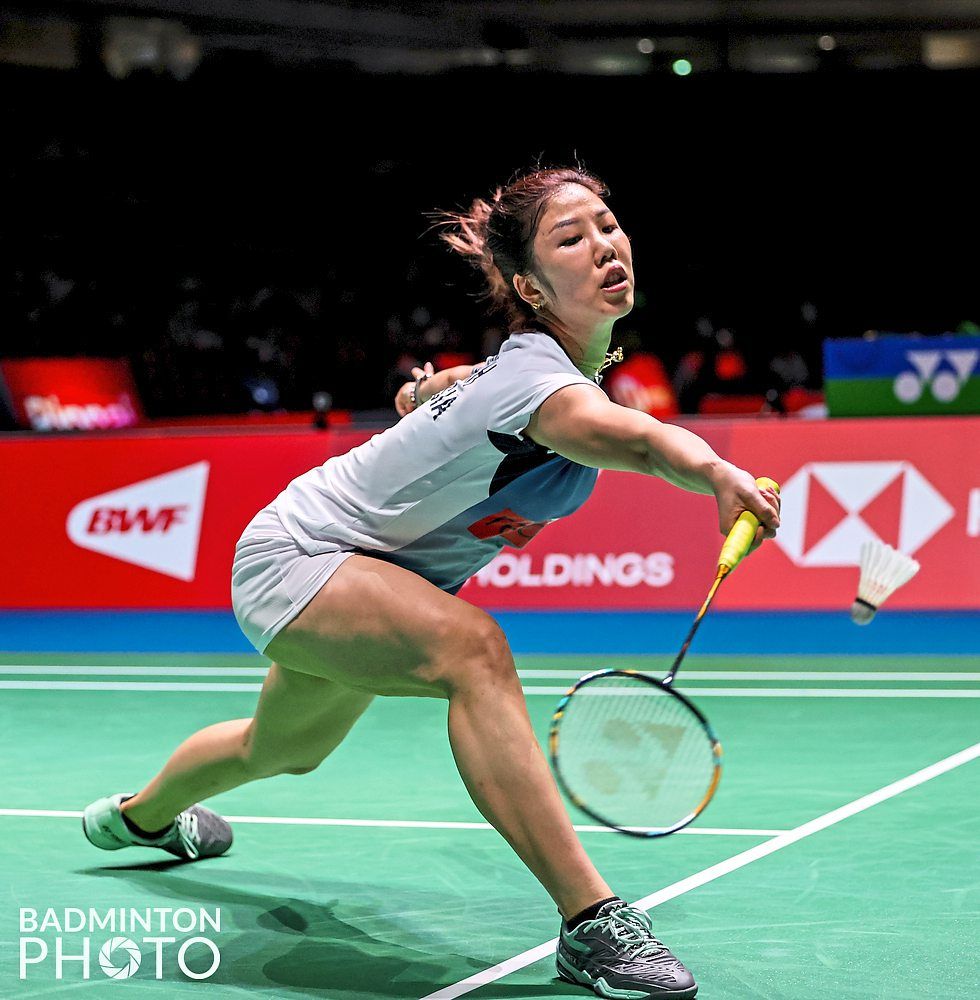
Soniia Cheah, the decorated former national women's singles badminton player, has ended her tenure as sports director of the Kuala Lumpur Badminton Association (KLBA) with a resignation effective from Wednesday. The departure comes just four months into what was meant to be a one-year contract, marking an unexpectedly brief chapter in her administrative career following a playing career that saw her reach the pinnacle of Malaysian badminton.
The 33-year-old's exit from the organization has raised questions within Malaysian badminton circles about internal challenges at the association. While Cheah declined to provide extensive public commentary on her reasons for leaving, she acknowledged that the decision to step down was reached only after careful deliberation. Her reluctance to elaborate has not dampened speculation among badminton observers about the nature of operational or governance issues that may have prompted her departure.
In her statement to the media, Cheah made clear that her resignation reflected a fundamental incompatibility between certain institutional practices and her own values developed over years as a national representative. She emphasized that her discomfort stemmed not from interpersonal conflict but rather from systemic matters requiring organizational attention. This distinction is significant for understanding the nature of her concerns, as it suggests her objections centre on structural or policy-related issues rather than personality clashes with specific individuals.
Cheah articulated her position with measured language, framing her resignation as a principled stand rooted in her experiences as a former national athlete. Her background as an elite competitor gives particular weight to her observations about organizational standards. She expressed confidence that her departure could serve as a catalyst for the KLBA to examine and address the underlying issues that prompted her to leave, potentially initiating a process of institutional reflection and improvement.
Despite the brevity of her appointment, Cheah maintained professional composure regarding the players she worked with during her time at the association. She expressed genuine appreciation for the young athletes under the KLBA's purview, suggesting that her resignation was motivated partly by concern for their development and welfare. Her final official engagement with the Kuala Lumpur squad came at the Affin 100Plus Junior Elite Tour Finals, held recently at Stadium Juara in Bukit Kiara, providing a structured conclusion to her administrative involvement.
Cheah's appointment to the sports director role in February had represented a natural progression for an athlete of her stature transitioning into sports administration. Her selection appeared logical given her credentials as a former top-ranked domestic and international competitor. Her involvement was expected to bring athlete-centred perspectives to the association's strategic direction and player development programs, making her premature departure particularly notable for the Malaysian badminton establishment.
Throughout her playing career, Cheah earned recognition as Malaysia's leading women's singles shuttler during her competitive prime. She represented the country at the Tokyo Olympic Games, competing at badminton's highest global stage and bringing international experience back to Malaysian badminton. Her status as a decorated national representative lent credibility to any positions she held within the sport's institutional framework, which makes her decision to resign all the more conspicuous.
Cheah's competitive journey ended in 2022 following a prolonged struggle with an Achilles tendon injury that ultimately proved insurmountable. The recurring nature of this injury had constrained her ability to maintain the rigorous training schedules and match schedules demanded of elite badminton professionals. Her retirement, while marking the end of her playing days, opened the possibility for continued involvement in badminton through administrative or coaching roles, which her KLBA appointment initially appeared to fulfil.
The resignation raises broader questions about governance and operational practices within Malaysian badminton associations. When accomplished former athletes like Cheah encounter obstacles significant enough to warrant early resignation despite limited tenure, it often signals systemic challenges rather than isolated incidents. Such departures can sometimes indicate gaps between an organization's publicly stated objectives and its actual operational practices, a disconnect that may affect player development, training standards, or resource allocation.
For Malaysian badminton stakeholders, Cheah's departure represents a loss of athlete perspective in administrative roles, at a time when many national sports bodies are seeking greater input from former competitors. Her exit may prompt the KLBA to reassess how it engages with elite former athletes in leadership positions and whether structural barriers exist that prevent their effective contribution to organizational improvement and player welfare.
The badminton community will now await the KLBA's response to Cheah's resignation and her implicit call for institutional review. How the association addresses the concerns she has raised, and whether her successor will face similar challenges, may become telling indicators of the organization's capacity for self-examination and adaptive governance in pursuit of excellence in developing young Malaysian badminton talent.

