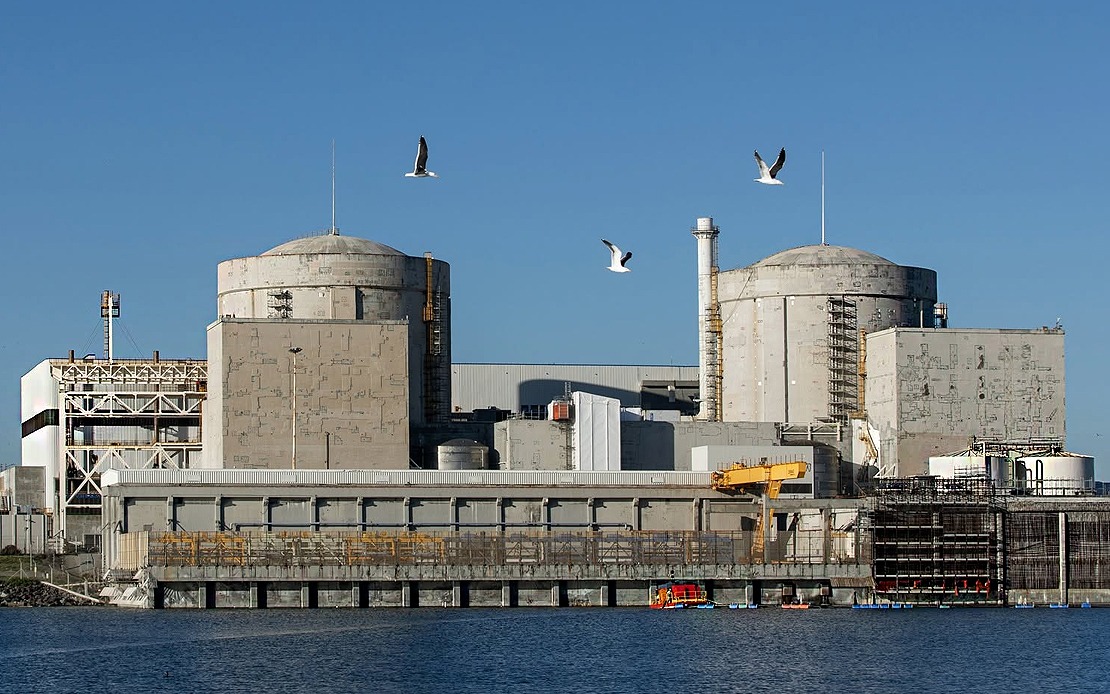
South Africa's Koeberg Nuclear Power Station, situated approximately 30 kilometres north of Cape Town, has been the site of three radiation exposure incidents affecting maintenance workers, Energy Minister Kgosientsho Ramokgopa disclosed during a media briefing on Sunday. The exposures took place across three separate occasions—June 30, July 2, and July 7—each stemming from operational disruptions during routine maintenance activities at the facility.
Ramokgopa provided reassurance to the public, emphasising that all three incidents were successfully contained without any escape of radioactive material into the surrounding environment. He stressed that communities neighbouring the power station faced no elevated risk from these occurrences. The minister attributed the underlying cause to a temporary power disruption that compromised the plant's ventilation system operations, preventing proper air circulation during the maintenance period.
According to the official account, the radiation doses received by affected workers remained substantially below the level of exposure typically encountered during a routine dental X-ray examination. This comparison is intended to contextualise the incident for public understanding, positioning the exposure levels as negligible in terms of acute health risk. Velaphi Ntuli, head of South Africa's nuclear safety division, further clarified that none of the three incidents satisfied the regulatory threshold required for formal classification as reportable nuclear safety events, suggesting they fell within acceptable operational parameters.
The Koeberg incidents arrive amid South Africa's broader commitment to nuclear energy expansion as a cornerstone of its future electricity infrastructure. The government has announced plans to add 5.2 gigawatts of nuclear generating capacity by 2039, a substantial investment in atomic power despite mounting public concern regarding such expansion initiatives. This announcement reflects policymakers' conviction that nuclear generation must feature prominently in the nation's long-term energy architecture.
South Africa's electricity sector has endured severe constraints in recent years, with rolling blackouts and chronic shortages disrupting economic activity and daily life across the country. The energy crisis, primarily rooted in the ageing coal-fired power generation fleet and maintenance challenges at existing facilities, has made electricity supply reliability a critical national priority. Nuclear power represents a potential solution to supplement and eventually replace coal generation, which continues to dominate South Africa's electricity production profile.
The government's strategic vision extends beyond the immediate crisis response. Officials have articulated an ambitious decarbonisation objective: to transition South Africa's electricity generation predominantly away from fossil fuels by 2050, positioning nuclear alongside renewable energy sources as central pillars of this transition. This long-term framework situates nuclear expansion within a broader climate and energy sustainability agenda, aligning with international commitments to reduce carbon emissions.
However, the Koeberg radiation incidents underscore the technical and safety challenges inherent in nuclear operations, particularly within developing economies where infrastructure maintenance and emergency response systems may face resource constraints. The power outage that triggered ventilation system failures reveals potential vulnerability points in facility design or operational protocols, raising questions about system redundancy and backup mechanisms that would be expected in world-class nuclear installations.
For Southeast Asian observers, South Africa's nuclear expansion strategy offers instructive parallels. Several nations in the region, including Thailand and Indonesia, have contemplated similar nuclear initiatives to address electricity demand growth and climate commitments. The Koeberg situation illustrates the operational realities and public relations challenges that accompany nuclear expansion in developing nations, where stakeholder confidence and transparent safety communication are essential to securing social licence for such projects.
The incidents also highlight the human dimension of nuclear operations. Worker safety protocols, training standards, and incident response procedures fundamentally shape public perception of nuclear technology's viability. Maintenance activities, though routine in nature, introduce elevated risk periods requiring meticulous planning and comprehensive safety measures. The temporary power outage responsible for the ventilation failures suggests systemic vulnerabilities that may require capital investment and design modifications to prevent recurrence.
South Africa's nuclear regulatory framework appears to have functioned as intended during these incidents, with oversight bodies promptly assessing situations and maintaining appropriate reporting standards. The distinction between incidents that cross reportability thresholds and those that remain below them reflects established safety protocols calibrated to balance operational flexibility with public protection. Nevertheless, the proximity of three separate incidents within a two-week period may warrant deeper investigation into whether underlying systemic factors require remediation beyond the immediate cause analysis.
The government's commitment to maintaining nuclear's role in South Africa's energy future remained undiminished following these disclosures. Officials framed the incidents as isolated occurrences requiring heightened vigilance rather than indications of fundamental safety deficiencies. This messaging, whether credible or not, will shape investor confidence and public acceptance of the accelerated nuclear expansion timeline announced by policymakers. Stakeholders across Southern Africa will closely monitor whether transparency, rigorous investigation, and substantive improvements follow these incidents.

