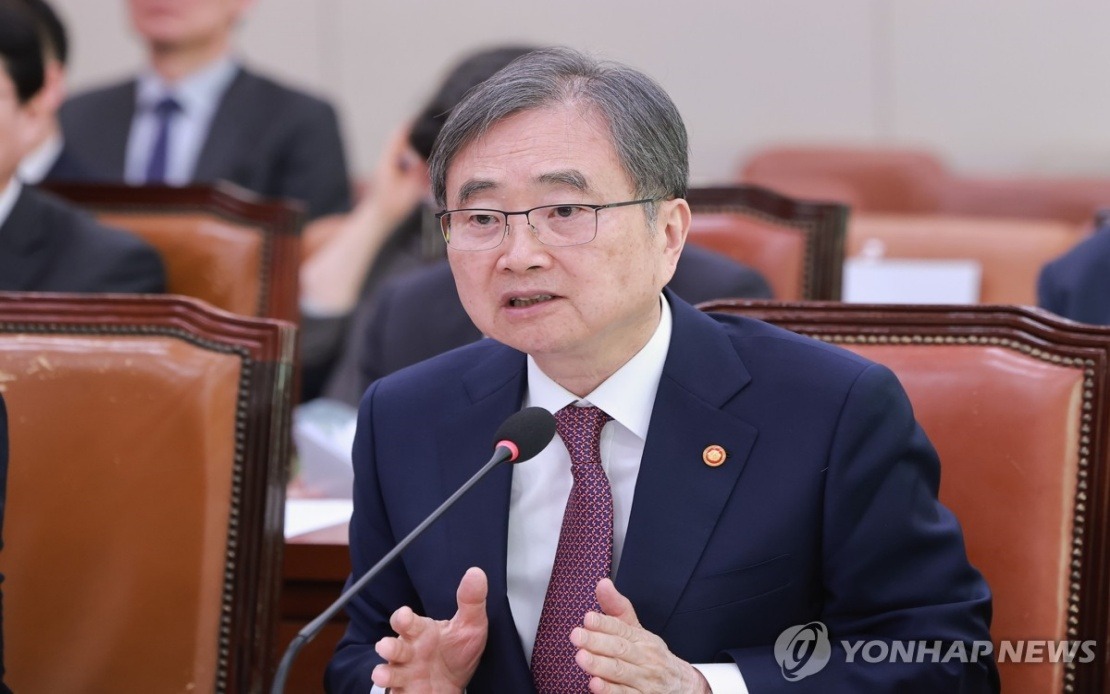
Seoul faced an unusual diplomatic situation on Wednesday when South Korean Foreign Minister Cho Hyun revealed that his government had learned of significant cuts to joint military exercises with the United States not through official channels, but via US President Donald Trump's social media announcement. The revelation underscores the unpredictability that can characterise direct leader-to-leader communication in the modern political landscape, particularly when major security decisions affecting two allied nations are conveyed through public platforms rather than diplomatic cables.
According to reports, neither South Korean nor American government officials possessed advance knowledge of Trump's August 16 declaration that he had instructed the Pentagon to substantially reduce the scale of joint South Korea-US military manoeuvres. This absence of prior consultation represented a departure from customary diplomatic practice, where defence ministers and foreign policy advisors typically coordinate announcements affecting shared security arrangements. Cho disclosed this information to South Korea's parliamentary committee for foreign affairs and unification, underscoring the sensitivity of the matter within Seoul's political establishment.
The announcement specifically pertained to the Ulchi Freedom Shield exercise, an annual summertime joint military operation that encompasses field manoeuvres, computer-simulated command post exercises, and civil defence drills. South Korea's Joint Chiefs of Staff subsequently confirmed that the exercise duration would be compressed from its originally scheduled August 17-27 timeline to just August 17-21, representing a reduction of six days and a significant curtailment of operational scope. This compression affects one of the cornerstones of South Korea-US military coordination and preparedness on the Korean Peninsula.
While Cho characterised the situation as not entirely unilateral, emphasising that South Korean Defence Minister Ahn Gyu-back had begun consultations with American counterparts following Trump's announcement, the fundamental reality remained that Seoul received no advance warning. The distinction between a unilateral declaration followed by hasty coordination and a genuinely collaborative decision-making process carries substantial weight in alliance management. The timing of these consultations, initiated only after the social media announcement, suggests that Seoul was placed in a reactive rather than proactive negotiating position.
The visit of Commander of the US Forces Korea Xavier Brunson to South Korea's defence ministry building on Tuesday, the day after Trump's announcement, appeared to serve as a damage-control measure rather than a substantive planning session. Such post-announcement meetings, while important for maintaining working relationships and clarifying implementation details, cannot fully substitute for the diplomatic groundwork typically preceding major policy shifts affecting regional security architecture. The compressed timeline between announcement and consultation raised questions about the adequacy of preparation and the depth of discussion possible under such circumstances.
For Malaysia and other Southeast Asian nations, this incident illuminates broader patterns in contemporary great power politics. The reliance on social media for announcing consequential security decisions reflects the increasingly personalised nature of some bilateral relationships, where institutional mechanisms and career diplomats may be bypassed in favour of direct leader communication. This trend carries implications for how regional security arrangements operate, particularly as the United States remains a significant security presence throughout Southeast Asia.
The Ulchi Freedom Shield exercise itself carries strategic importance beyond the two participating nations. Regular, large-scale joint military drills between the US and South Korea serve multiple purposes: they enhance interoperability and coordination, they signal stability and deterrence on the Korean Peninsula, and they demonstrate the ongoing commitment of the alliance to regional stakeholders. The reduction in exercise scope and duration, even if presented as a negotiating concession or confidence-building measure, necessarily diminishes these benefits and sends mixed signals about alliance strength and coordination.
From a diplomatic perspective, the incident raises uncomfortable questions about the role of transparency and consultation in alliance management. Allies expect to be treated with a degree of advance notice and respect when decisions affecting their security arrangements are made. The absence of such courtesy, regardless of the ultimate merits of the policy decision itself, generates friction and necessitates repair work at multiple governmental levels. South Korea's parliamentary engagement with the matter suggests that domestic political constituencies are attentive to these diplomatic niceties and expect their leadership to secure appropriate treatment from alliance partners.
The broader context of US-South Korea relations and Trump's previous statements about reducing American military presence overseas provide additional backdrop to this announcement. Trump has previously expressed concerns about the cost of maintaining large numbers of American troops abroad and has questioned whether host nations contribute adequately to mutual defence arrangements. Against this history, the announcement regarding Ulchi Freedom Shield appears consistent with a pattern of policy reassessment, though the manner of announcement still constitutes a procedural departure from established norms.
Looking forward, this episode demonstrates the vulnerability of alliance structures when key decisions are announced through unconventional channels without proper diplomatic scaffolding. While South Korea and the United States maintain substantial institutional ties and will undoubtedly work through the implications of the exercise reduction, the initial shock of learning about policy changes through public social media rather than secure government-to-government communications represents a governance gap worth monitoring. The incident serves as a reminder that in an era of rapid digital communication and personalised leadership styles, the traditional machinery of diplomatic protocol retains considerable importance for maintaining alliance coherence and demonstrating mutual respect among security partners.

