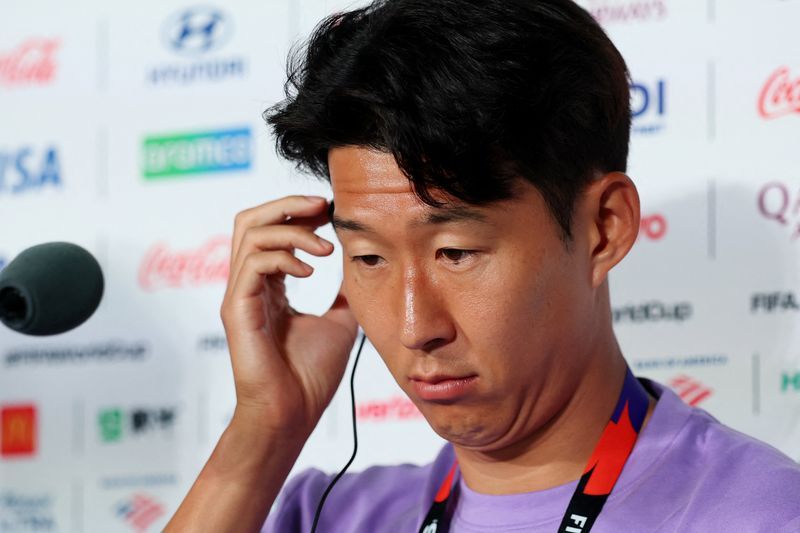
The South Korea national football team has taken the dramatic step of boycotting media obligations during World Cup preparations, escalating tensions between the squad and domestic press over remarks directed at captain Son Heung-min's military service. The controversy erupted after journalists were caught on an open microphone making derisive comments about the 33-year-old Tottenham forward's stint in the armed forces, which he completed whilst training separately from his teammates at the Guadalajara base camp.
The incident has touched a raw nerve in South Korean society, where mandatory military service represents far more than a routine administrative requirement. Every able-bodied male citizen must fulfil approximately 21 months of compulsory service, a constitutional obligation deeply rooted in the nation's ongoing strategic posture towards North Korea. This conscription framework forms a cornerstone of South Korea's national defence architecture, making any public mockery of individual service records particularly sensitive and culturally inflammatory.
Son's situation, however, carries a distinct dimension that elevates the stakes beyond typical military service disputes. The captain and his teammates earned exemption from the standard conscription requirements by capturing the gold medal at the 2018 Asian Games, a prestigious achievement that automatically qualifies elite athletes for reduced military obligations. Son subsequently undertook a condensed three-week basic training programme in 2020, during a period when the Premier League had suspended operations due to the COVID-19 pandemic. This training regimen, whilst significantly shorter than standard service, still involved rigorous physical and psychological challenges including tear gas exposure, live-fire exercises, and endurance marches spanning 30 kilometres.
The Korea Football Association responded swiftly to the controversy with an official statement expressing deep regret over what it characterised as inappropriate conduct by certain media representatives. The federation emphasised the team's commitment to upholding South Korea's national pride on the global stage and fulfilling the expectations of their supporters. This framing suggests that the boycott reflects not merely internal discord but a defence of national honour and the team's collective reputation.
In its formal response, the KFA highlighted the shock and disappointment caused by the leaked conversation, underscoring how the incident has undermined team morale during a critical tournament period. The association called upon media outlets to exercise greater restraint and demonstrated responsibility in their coverage and conduct around the squad. Officials made clear that protecting the wellbeing and focus of the national team would remain a paramount priority moving forward.
The timing of this confrontation raises particular challenges for match management and tournament logistics. While South Korea's players have withdrawn from voluntary media engagements, FIFA's mandatory media requirements for participating nations cannot be circumvented without risking sanctions. This creates a delicate situation where the team must balance their protest against journalistic conduct with international regulatory obligations. The players will be required to honour structured press obligations stipulated by FIFA, even as they maintain their broader boycott of additional media interactions.
The military service controversy reflects deeper sensitivities within South Korean society regarding patriotic obligations and national service. For the national team, these questions carry amplified significance given their role as representatives of the nation on football's grandest stage. The squad's decision to boycott discretionary media duties sends a forceful message about accountability and respect, whilst also highlighting how domestic narratives around military conscription intersect with elite sports and public discourse.
Son's career trajectory adds further context to the sensitivity surrounding his military service record. The former Tottenham player has become one of East Asia's most prominent footballing figures, achieving distinction in one of Europe's top leagues. His military service, however abbreviated through the athletic exemption provision, remains a point of national significance in South Korea where conscription remains nearly universal for male citizens. The apparent mocking of his service strikes at the intersection of national identity, athletic achievement, and civic responsibility.
The KFA's commitment to fostering a healthier media environment suggests broader institutional concerns beyond this singular incident. The federation appears intent on establishing clearer boundaries around appropriate coverage and conduct, recognising that toxic relationships between national teams and domestic media can ultimately undermine the squad's psychological cohesion and competitive performance. This proactive stance signals that similar incidents will trigger swift institutional responses and potential sanctions against offending outlets.
For Malaysian readers and regional observers, this episode illuminates how national military service obligations continue shaping discourse around elite athletes in East Asia, and how professional football remains bound up with patriotic narratives and governmental structures. The incident underscores the pressure placed upon national teams to embody and defend national values, extending their representational responsibilities far beyond the pitch. The boycott demonstrates how players increasingly feel empowered to challenge media conduct they perceive as disrespectful, marking a shift in power dynamics between athletes and journalists in contemporary sports coverage.