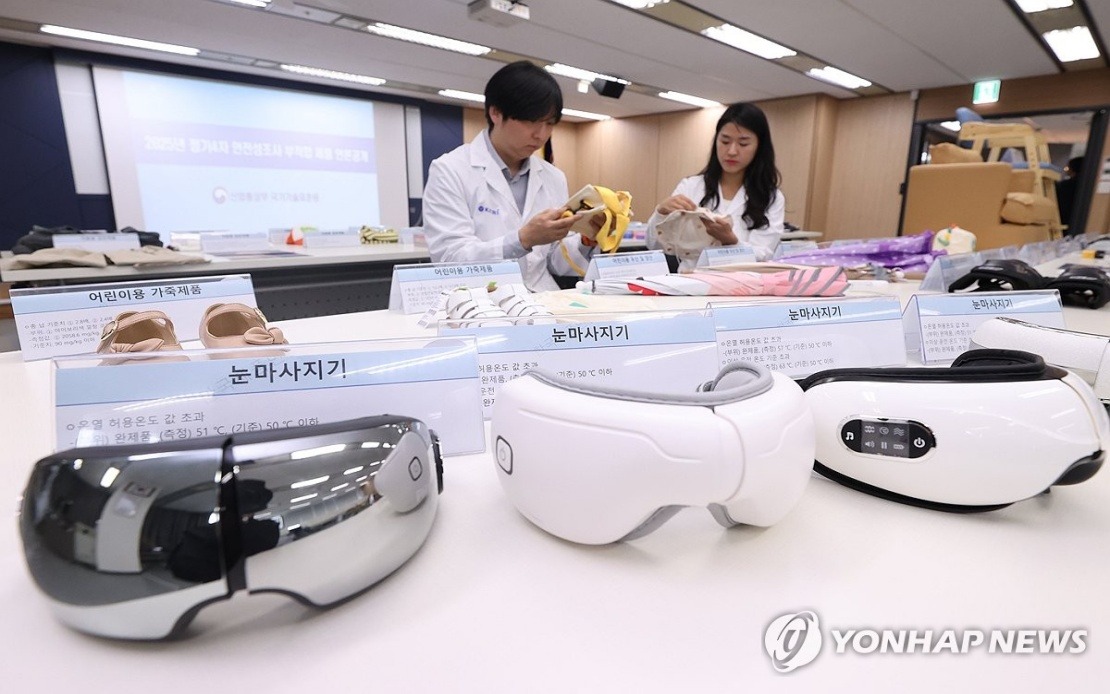
South Korea's consumer protection authorities have flagged a concerning trend in product safety, with recall cases climbing to 2,656 in 2025—a 5 per cent increase from 2,537 reported a year earlier. The uptick underscores growing challenges in policing the safety of merchandise flowing into the country, particularly through e-commerce channels where imports face less stringent oversight than traditional retail distribution networks.
The Fair Trade Commission, tasked with safeguarding consumer interests across the nation, attributed much of the rise to violations of the Framework Act on Consumers. Notably, recall cases tied directly to this legislation jumped dramatically by approximately 42 per cent, reaching 851 incidents. This sharp acceleration reveals a systemic vulnerability: imported products previously recalled in their countries of origin are finding their way onto South Korean online marketplaces, where they reach unsuspecting consumers seeking bargains.
For Southeast Asian readers, this pattern carries particular relevance. Malaysia and its regional peers increasingly serve as transshipment hubs and consumption centres for global goods, many sourced through similar online channels. The South Korean experience demonstrates how digital commerce can circumvent traditional safety barriers, a problem that extends across borders and regulatory jurisdictions throughout the region.
The composition of recalled items provides additional insight into where dangers concentrate. Industrial consumer goods accounted for the largest share, with 1,282 cases representing an 8.6 per cent rise from 2024. This category encompasses household appliances, electronics, and furniture—precisely the items most frequently purchased through cross-border e-commerce. Medical devices presented another concern, climbing 8.5 per cent to 308 cases, though pharmaceutical recalls actually declined 13.5 per cent to 295 cases, suggesting targeted intervention in that sector may be bearing fruit.
Understanding what constitutes a recall becomes important here. These represent corrective measures undertaken either voluntarily by manufacturers or mandated by government agencies when products contain defects capable of causing consumer harm. Recalls function as a crucial safety mechanism, yet their rising frequency indicates that prevention upstream—through import screening and marketplace vigilance—may be falling short of demand.
The FTC has recognised this gap and initiated a response centred on enhanced cooperation between agencies and direct pressure on online marketplace operators. The strategy involves requesting e-commerce platforms to remove products flagged as hazardous, either because they were previously recalled elsewhere or because they failed South Korean safety testing. This places responsibility squarely on digital retailers, who serve as gatekeepers for what reaches consumers' homes.
The underlying driver fuelling this problem reflects broader consumer behaviour shifts. Direct purchases from overseas merchants have surged, reflecting both lower prices and access to products unavailable domestically. Consumers in South Korea—and similarly across Southeast Asia—increasingly bypass traditional retail chains in favour of international online marketplaces, often navigating language barriers and unfamiliar regulations to secure deals. This convenience comes at a cost: reduced traceability, limited recourse for defective items, and heightened exposure to substandard goods.
For Malaysian policymakers and consumer advocates, the South Korean situation functions as a cautionary tale. As domestic e-commerce explodes and cross-border shopping becomes normalised, establishing robust surveillance mechanisms and cooperative frameworks with online platforms becomes essential. The FTC's approach of enlisting marketplace operators as enforcement partners offers a scalable model, though it requires genuine commitment from retailers often prioritising transaction volume over thorough vetting.
The 42 per cent surge in Framework Act violations is particularly troubling because it suggests systematic circumvention rather than isolated incidents. Products that have already failed safety standards elsewhere should theoretically be easiest to identify and intercept, yet their proliferation indicates either inadequate information sharing between nations or insufficient resources for screening. This regulatory fragmentation creates opportunities for sellers to exploit gaps between jurisdictions.
Looking ahead, South Korea's experience suggests that consumer protection in the digital age requires evolution beyond traditional enforcement models. Static product testing and point-of-sale inspections prove insufficient when supply chains traverse multiple countries and sales occur through decentralised online platforms. The FTC's collaborative approach with marketplace operators, while necessary, represents only a partial solution. Comprehensive registration systems for online sellers, mandatory product origin documentation, and real-time communication protocols between safety authorities across trading partners would strengthen defences substantially.
For Southeast Asian nations, the implications extend beyond mere observation. Regional cooperation mechanisms, potentially coordinated through existing ASEAN frameworks, could establish shared databases of recalled products and hazardous importers. Such systems would leverage each nation's safety testing capabilities while creating disincentives for sellers to simply relocate problematic merchandise from one market to another. The borderless nature of e-commerce demands borderless safety coordination.
The rising recall trend also reflects consumer vulnerability. Purchasers buying unfamiliar brands from overseas sellers often lack recourse mechanisms and struggle to understand technical specifications or safety certifications valid in South Korea. Education campaigns and clear labelling requirements—enforced digitally through marketplace infrastructure—could empower consumers to make informed choices and avoid hazardous items at the selection stage rather than discovering dangers after purchase.
Ultimately, South Korea's 5 per cent increase in product recalls signals that the nation's regulatory apparatus is catching problems, but perhaps too late in the supply chain. As Malaysia and its neighbours navigate similar challenges in consumer protection amid rapid digital commerce growth, learning from Seoul's experience proves invaluable. The convergence of global supply chains, e-commerce expansion, and consumer demand for affordable goods creates inherent tensions that require proactive, innovative governance responses rather than reactive recall systems.

