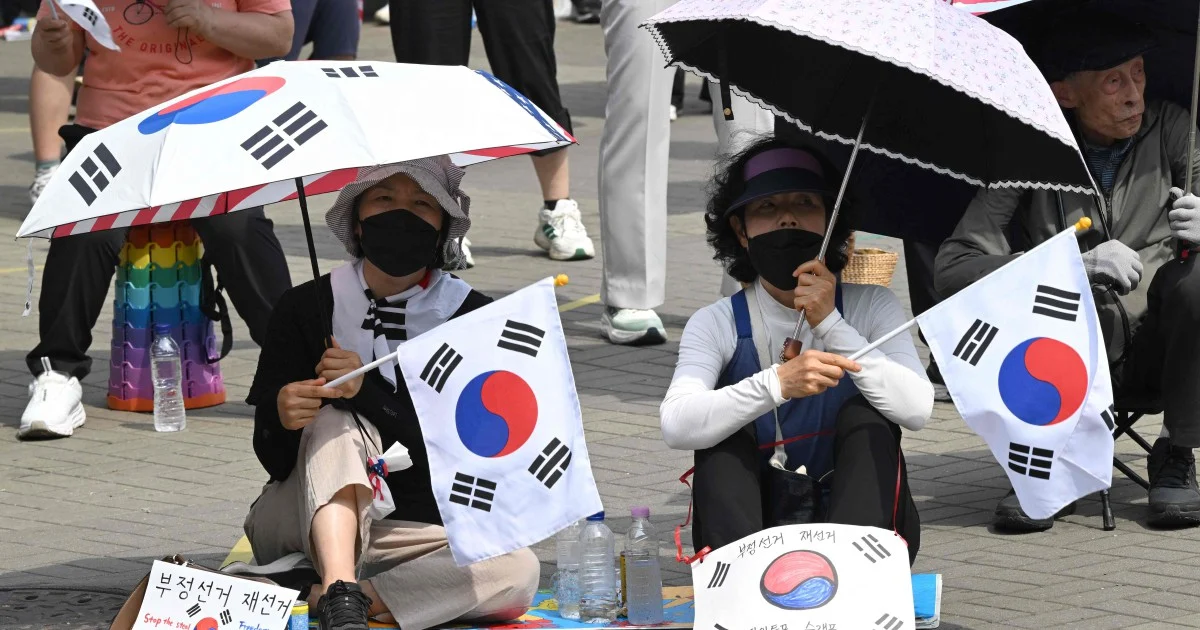
South Korea's parliament has initiated formal proceedings to examine how the National Election Commission mismanaged ballot distribution during the country's June 3 local elections, approving the inquiry at a plenary session on Thursday. The 45-day investigation represents a significant escalation in scrutiny of the electoral body, following widespread reports of voting disruptions caused by insufficient ballot papers across multiple polling stations nationwide.
The ballot shortage incident marked a notable administrative failure for an institution responsible for conducting and overseeing elections in one of Asia's most developed democracies. Voters at numerous locations encountered delays and frustration when poll workers discovered they lacked sufficient ballots to accommodate all registered electors, forcing officials to implement emergency measures and extend voting hours in affected areas. The scale of the problem became apparent only after voting had already commenced, compounding public frustration over the operational breakdown.
For Malaysian observers, this incident illustrates the potential consequences when election management bodies fail to conduct adequate advance planning. While Malaysia's Election Commission has generally avoided such logistical disasters, the South Korean case demonstrates how even well-resourced electoral institutions can experience significant operational gaps. The investigation signals that parliamentary systems in the region increasingly demand accountability when electoral administrators fall short of basic competency standards.
The parliamentary investigation will examine multiple dimensions of the commission's election preparation and execution. Investigators will likely scrutinize inventory management procedures, staffing levels at polling centres, communication protocols between central and local election offices, and contingency planning for potential ballot distribution challenges. The inquiry may also assess whether warning signs were ignored or whether staffing shortages contributed to the breakdown in logistics coordination.
Parliamentary probes into election administration failures carry political significance beyond administrative reform. The investigation provides opposition parties with a legitimate platform to question government institutions and demonstrates parliament's willingness to exercise oversight over independent bodies. In South Korea's competitive political environment, such investigations often become vehicles for broader critiques of governmental competence and institutional management, potentially influencing public perceptions ahead of future electoral contests.
The timing of the investigation reflects broader regional trends toward heightened electoral scrutiny. Throughout Southeast Asia and East Asia, parliaments and civil society organisations increasingly demand transparent investigations when electoral processes malfunction. This reflects expanding public expectations regarding the professionalism and reliability of democratic institutions, particularly as digital governance advances and comparison with international best practices becomes easier.
For the National Election Commission, the investigation poses reputational challenges requiring clear explanations of what went wrong and concrete commitments to prevent recurrence. The body must demonstrate that the ballot shortage represented an isolated operational failure rather than symptomatic of deeper institutional problems. Restoring public confidence in electoral administration matters substantially for civic participation rates, particularly among younger voters who may become discouraged by perceived incompetence.
The investigation's findings will likely produce recommendations for procedural reforms, potentially including revised ballot inventory management systems, enhanced communication frameworks between central and provincial election bodies, and revised contingency protocols for handling unexpected demand surges. South Korean election authorities may eventually implement lessons that could interest electoral commissions throughout the region, particularly smaller democracies facing resource constraints that might increase vulnerability to similar logistical breakdowns.
From a regional governance perspective, this incident highlights the importance of election management during a period when electoral integrity faces multiple pressures. As disinformation campaigns and political polarisation intensify across Asia, the reliability of electoral institutions becomes increasingly consequential. Administrative failures like ballot shortages can fuel conspiracy theories and undermine confidence in electoral outcomes, regardless of whether actual results were affected.
The investigation also occurs against broader questions about whether electoral commissions require greater resource allocation and technical modernisation. Some jurisdictions have successfully implemented digital ballot tracking systems and advanced inventory management platforms that substantially reduce the risk of distribution failures. South Korea, with its technological sophistication, may emerge from this investigation having identified outdated procedures ripe for modernisation.
Parliamentary investigation outcomes typically influence institutional budgeting and staffing decisions. If investigators determine that inadequate funding or staffing contributed to the ballot shortage, the National Election Commission may successfully petition for increased annual appropriations. Conversely, if the investigation concludes the failure resulted from negligent management rather than resource scarcity, public pressure may intensify for leadership changes within the commission.
The 45-day investigation timeline suggests parliament views the matter as sufficiently urgent to demand rapid completion rather than extended deliberation. This reflects widespread recognition that public confidence in electoral administration requires swift demonstration that problems are being addressed. As Malaysia considers its own electoral management procedures and potential improvements to the Election Commission's operations, the South Korean experience offers instructive cautionary lessons about the importance of comprehensive advance planning in electoral logistics.