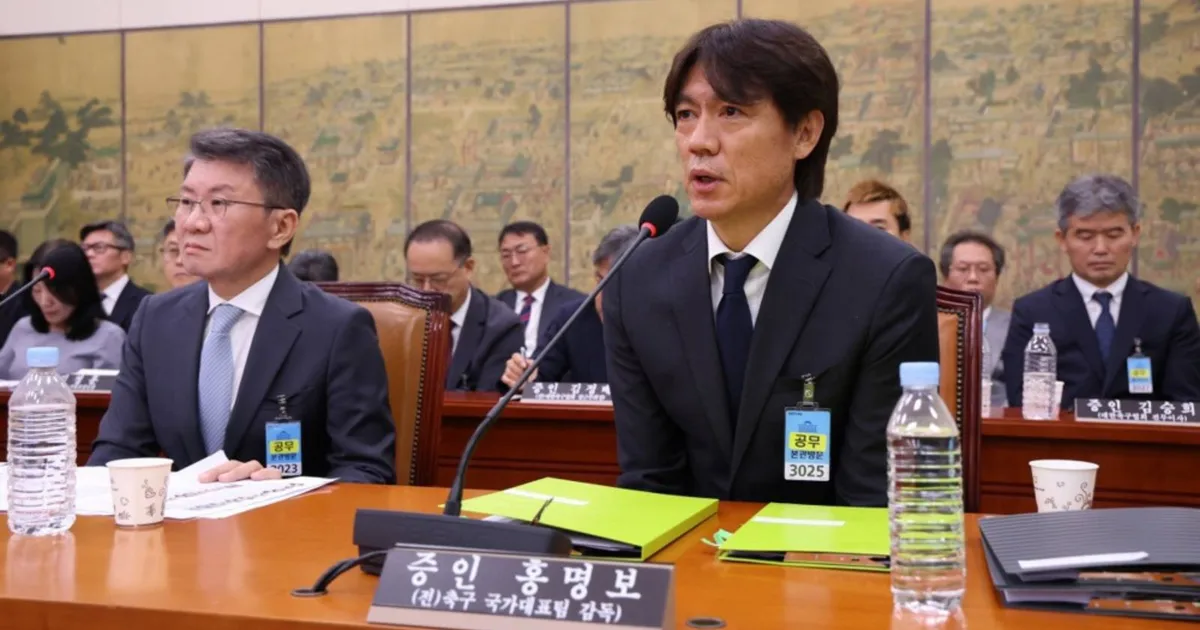
South Korean law enforcement has initiated an investigation into the nation's football association, focusing on the appointment procedures surrounding coach Hong Myung-bo and alleged misconduct in the decision-making process. The inquiry centers on claims of obstruction of business, raising questions about whether proper protocols were followed when the association installed Myung-bo in his current position. The police action represents an escalation in the scrutiny surrounding the appointment, which had already drawn public criticism due to the timing and circumstances of the announcement.
The appointment of Hong Myung-bo has become increasingly controversial following South Korea's disappointing performance at the most recent FIFA World Cup. The national team's campaign fell significantly short of expectations, prompting widespread debate about the direction of the programme and the competence of its leadership. This poor showing on football's grandest stage created fertile ground for questions about whether decision-makers at the football association acted appropriately when selecting the coaching staff, or whether political and commercial considerations may have influenced their judgment.
The specific allegation of obstruction of business suggests that investigators are examining whether individuals within the football association or associated with the appointment process may have impeded the normal functioning of the organization or interfered with competing candidates' fair consideration. In Korean sports governance, such allegations carry serious implications, as they touch on issues of institutional integrity and proper administrative procedure. The police raid indicates that authorities believe sufficient grounds exist to pursue a formal investigation rather than treating the matter as a simple administrative dispute.
For Malaysian and Southeast Asian observers, this development underscores the high stakes that surround national football team appointments in East Asia, where such decisions often attract intense media scrutiny and public interest. Unlike in many Western nations where coaching changes are treated primarily as sporting matters, appointments in countries like South Korea can become entangled with broader questions about institutional accountability and governance. The situation reflects how football remains deeply intertwined with national pride and expectations across the region, making coaching decisions subject to heightened public and official scrutiny.
The raid on the football association's offices represents a significant intervention by law enforcement into what might typically be considered an internal sports organizational matter. This escalation suggests that either the initial complaints were substantial enough to warrant investigation, or that the football association's response to inquiries was deemed unsatisfactory. The involvement of police rather than sports regulatory bodies indicates that Korean authorities view the matter as potentially involving criminal conduct rather than merely technical breaches of sports regulations.
Hong Myung-bo's appointment had already proven controversial within South Korean football circles, with various stakeholders questioning whether the selection process had been transparent and merit-based. His playing and managerial credentials prior to this appointment included experience managing at the club level and previous stints with the national team setup, yet his recent appointment was made relatively quickly following the World Cup's conclusion. The timing coincided with urgent discussions about the direction of South Korean football, creating a compressed timeline that some observers felt did not allow for adequate deliberation or open competition among potential candidates.
The poor World Cup performance that precipitated this crisis had damaged public confidence in the football association's leadership and decision-making processes. When national teams underperform on such a visible international stage, the subsequent management decisions come under intense examination, as stakeholders attempt to understand whether the organization's leadership has appropriate competence and judgment. In South Korea's case, the disappointing campaign created momentum for accountability measures, which the police investigation now represents in formal terms.
This investigation also reflects broader governance concerns within South Korean sports administration, where questions of transparency and procedural fairness have periodically surfaced across various sporting bodies. The football association, as one of the country's most prominent sports organizations, operates under heightened public scrutiny. Any perception of improper conduct in high-level appointments can damage institutional credibility and undermine public confidence in the organization's ability to serve the national interest through competitive success.
The implications of this investigation extend beyond Hong Myung-bo's appointment to encompass fundamental questions about how South Korean sports organizations make consequential decisions. If police investigators uncover evidence of obstruction or other improper conduct, the repercussions could extend to multiple individuals within the association's leadership. Conversely, if the investigation concludes without substantiating the allegations, it may vindicate the appointment process, though lingering questions about procedural transparency might persist among skeptical observers.
For regional football observers, this situation illustrates how World Cup performance reverberates far beyond the pitch, shaping institutional politics and governance within national football associations. The investigation demonstrates that in competitive football nations, accountability for poor results operates at multiple levels—sporting, media-driven, and increasingly through formal legal and investigative channels. As South Korean football navigates this challenging period, the outcome of the police investigation will likely influence how the football association conducts future high-level appointments and whether enhanced transparency measures are implemented.

