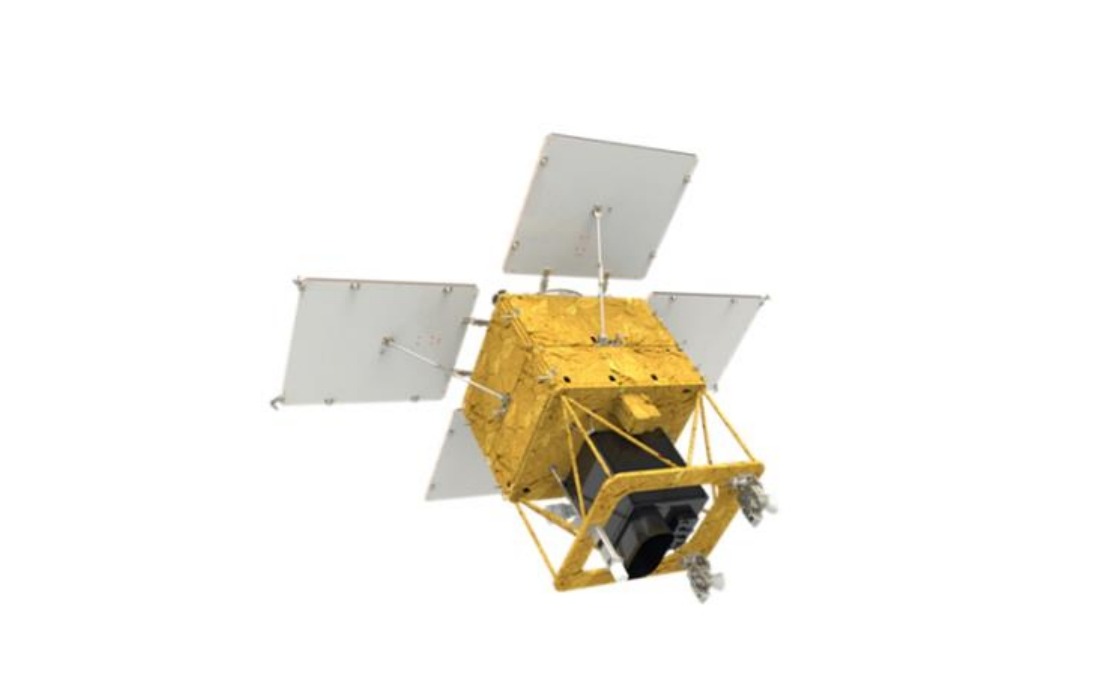
South Korea is moving forward with its next phase of space-based Earth observation, preparing to launch a 500-kilogramme satellite aboard a SpaceX Falcon 9 rocket from Vandenberg Space Force Base in California. The Korea AeroSpace Administration (KASA) has confirmed the satellite is ready for deployment, with launch targeted for 4.10 pm Korea time on Tuesday, following months of rigorous preparation and functional verification.
The fourth medium-sized satellite represents a significant component of South Korea's broader strategy to develop independent space capabilities and reduce reliance on foreign imagery systems for critical applications. By deploying multiple satellites with overlapping coverage and imaging schedules, Seoul is establishing the infrastructure necessary for continuous Earth observation without gaps in data collection. This approach aligns with regional trends in space technology development, as neighbouring countries including Japan and China have similarly invested in multi-satellite constellation systems.
The satellite carries domestically-developed observation equipment, including a sophisticated camera system designed to capture imagery of the entire Korean Peninsula at regular intervals of approximately every three days. This frequency of coverage enables near-continuous monitoring of geographical features and changes across the peninsula, a capability with profound implications for various civilian and administrative functions. The homegrown payload technology underscores South Korea's progress in developing indigenous space technology expertise, reducing dependence on international suppliers for critical components.
KASA has outlined an extensive deployment schedule following the successful separation from the Falcon 9 launch vehicle, which is expected to occur roughly two hours and twenty-two minutes after liftoff. Ground teams will establish first contact with the satellite approximately thirty-one minutes after separation through the Svalbard ground station in Norway, a facility that provides reliable communication links for polar-orbiting spacecraft. This communication protocol has been tested across South Korea's previous satellite launches, ensuring established procedures are in place for receiving initial telemetry data.
Once the satellite reaches its operational altitude of approximately 888 kilometres above Earth's surface, KASA plans a four-month testing phase during which engineers will validate all systems and payload functionality. This commissioning period allows time to identify any technical anomalies and make necessary adjustments before transitioning to full operational status. The satellite is scheduled to commence comprehensive mission operations during the first half of next year, at which point it will become fully integrated into South Korea's Earth observation network.
The applications for this satellite system extend across multiple government and civilian sectors, reflecting the versatility of space-based Earth observation technology. Agricultural agencies can utilise the imagery for crop monitoring, yield forecasting, and resource allocation planning across South Korea's farming regions. Forest management authorities can track vegetation changes, monitor for illegal logging, and assess forest health across the country's extensive woodland areas. The satellite's monitoring capabilities also enable rapid response to natural disasters, providing emergency management agencies with up-to-date imagery following floods, landslides, or other environmental emergencies.
Climate change analysis represents another significant application area, as the satellite can contribute to long-term environmental monitoring programmes tracking glaciation changes, sea level variations, and vegetation shifts across the Korean Peninsula and surrounding regions. These datasets, collected over multiple years, provide valuable information for understanding regional climate patterns and environmental trends. Additionally, the satellite supports public safety initiatives through its ability to monitor critical infrastructure, urban development patterns, and land-use changes that inform public policy decisions.
For Southeast Asian observers, South Korea's satellite development programme offers lessons in developing indigenous space capabilities and building multi-satellite systems that serve diverse civilian purposes. Several ASEAN nations have expressed interest in developing similar Earth observation capabilities, and South Korea's experience in launching and operating medium-sized satellites provides a relevant model for the region. The use of commercial launch providers such as SpaceX demonstrates how emerging space powers can access launch services without developing expensive indigenous launch systems, a consideration particularly relevant for countries with developing space industries.
The satellite programme also reflects broader geopolitical trends in Northeast Asia, where multiple nations are expanding their space capabilities to enhance national security and scientific understanding. As satellite technology becomes increasingly accessible through commercial providers and costs decrease through reusable rocket systems, more countries are developing Earth observation capabilities previously available only to major space powers. This democratisation of space technology has implications for regional stability, transparency, and environmental monitoring across East and Southeast Asia.
South Korea's investment in successive generations of Earth observation satellites demonstrates sustained commitment to maintaining contemporary space capabilities despite significant technical and financial challenges. The country's progress from importing satellite technology to developing homegrown payloads reflects institutional learning and technological advancement accumulated through multiple launch campaigns. This trajectory suggests South Korea will continue expanding its space capabilities in coming years, potentially including larger satellites with enhanced resolution and additional specialised instruments for specific applications.

