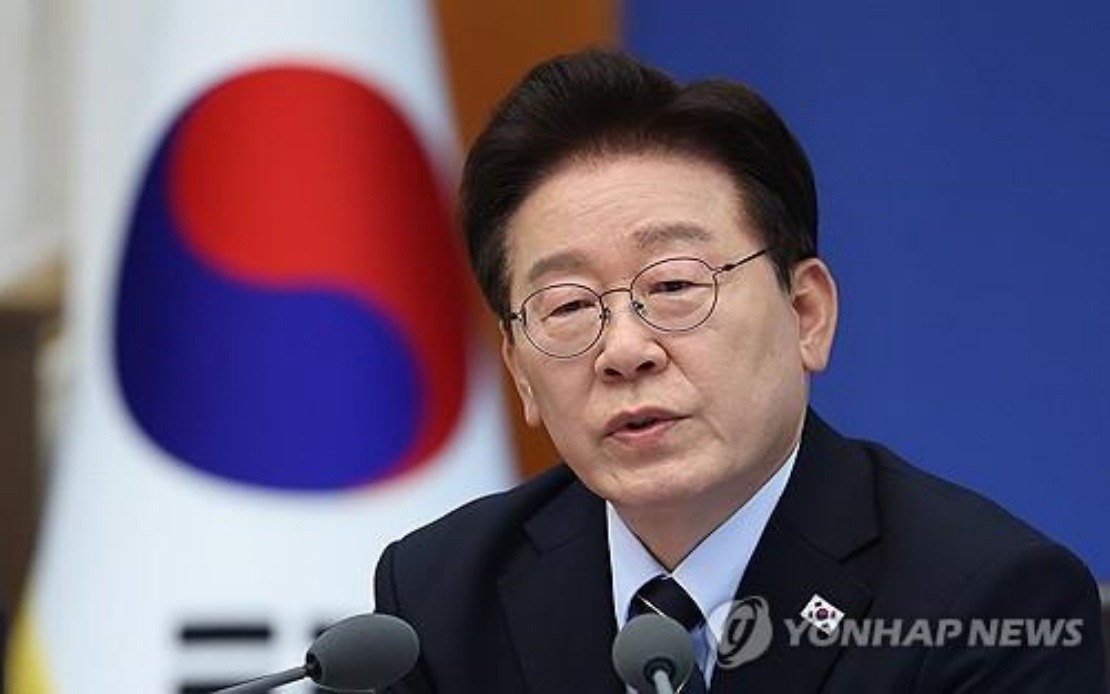
South Korea's leadership has signalled a significant pivot in how the nation approaches its military structure, moving away from traditional mass conscription toward a leaner, technology-focused defence model. President Lee Jae Myung outlined the strategic shift during a meeting with senior government officials, instructing aides to accelerate defence reforms that prioritise advanced equipment and elite personnel over large-scale infantry forces. The transformation reflects Seoul's recognition that demographic realities—particularly South Korea's one of the world's lowest birth rates—make the current military framework increasingly unsustainable.
The proposal to introduce selective conscription represents a fundamental departure from South Korea's existing mandatory service system, under which all able-bodied men must serve at least 18 months in uniform. Currently, some individuals secure exemptions or participate in alternative service arrangements, but the core requirement remains universal military participation. By moving toward a selective model, Seoul would fundamentally reshape who bears the burden of national defence, concentrating recruitment on those most suited for military service while freeing others to pursue careers, education, or other contributions to society.
President Lee emphasised that the transition must address a critical public concern: the perceived waste of young people's time in military service. He framed the reform as a moral government responsibility to ensure that military conscription leads to tangible personal benefits rather than representing a lost decade in a young person's life trajectory. This rhetorical pivot is significant, as it acknowledges growing frustration among South Korean youth about the opportunity costs of military service and attempts to reposition conscription as an investment in their future rather than an obligation imposed by the state.
The proposed reforms explicitly link military service to economic opportunity, promising that those who serve would gain access to quality employment and educational pathways upon discharge. This approach seeks to transform military service from a universally resented obligation into a potentially valuable career development step. Such a framing would require substantial coordination between the military, educational institutions, and private employers to ensure that ex-servicemen and women receive genuine preference in job hiring and educational placement—a tall order that would test government capacity to implement.
The technological dimension of Seoul's proposed defence transformation reflects regional security dynamics and broader global military trends. By emphasising advanced equipment and sophisticated systems over personnel-intensive approaches, South Korea seeks to maintain military credibility against North Korea while operating within demographic constraints. This strategy aligns with similar transformations undertaken by other developed nations facing shrinking conscript pools, though South Korea's unique security environment—with an active and unpredictable adversary on its border—makes the transition more complex and consequential.
Southeast Asian nations watching these developments face different demographic situations; while countries such as Singapore have long pursued professional, technology-focused militaries, nations with younger populations and different security architectures may view South Korea's experience with mixed interest. The Korean model demonstrates both the appeal and the challenges of transitioning from mass conscription to selective recruitment in a security environment where deterrence through military scale has traditionally mattered.
President Lee's framing of defence reform as inseparable from broader quality-of-life considerations reflects evolving expectations among younger voters across East Asia. Young people in South Korea, Japan, and increasingly throughout the region prioritise personal prosperity and career development, viewing mandatory military service as competing with these aspirations. The government's attempt to align military recruitment with youth employment and education suggests recognition that purely nationalistic appeals may no longer suffice to secure public acceptance of defence burdens.
The implementation timeline for these reforms remains unclear, and substantial obstacles loom. Converting military personnel requirements, force structure, and strategic doctrine to accommodate selective conscription would require complex legislative changes, substantial defence spending adjustments, and potential renegotiation of civil-military relations. Additionally, opposition from conservative military circles and those viewing mass conscription as essential to deterrence could complicate rapid implementation.
President Lee also devoted considerable attention during the same meeting to housing policy, unveiling plans to supply over 230,000 additional homes in the Seoul metropolitan area through accelerated development, greenbelt conversion, and private-sector support. This dual focus on defence and housing reflects interconnected concerns about South Korea's future: both military capability and livelihood quality depend on attracting and retaining talented young people. Housing shortages and related affordability crises drive many young Koreans to delay marriage and children, directly contributing to the low birth rate that necessitates defence restructuring—creating a policy feedback loop that the government appears intent on breaking.
The government acknowledged that permit restrictions and declining construction starts have created acute supply shortages traceable to policy decisions made in 2022. Addressing this requires accelerating approval procedures, securing additional land through potential legislative changes, and coordinating with private developers. Success in housing policy could theoretically improve South Korea's demographic trajectory by making family formation more economically feasible, which would subsequently reduce pressure for defence reforms centred on conscription selectivity.
For regional observers, South Korea's simultaneous pursuit of defence modernisation and housing expansion illustrates how demographic, security, and economic policy have become inextricably linked in developed East Asian nations. Malaysia and other Southeast Asian countries with different but evolving demographic profiles may eventually confront similar pressures to reconsider traditional defence paradigms, though their security environments and population dynamics differ substantially from South Korea's acute situation.
The success or failure of South Korea's smart military initiative will provide crucial evidence about whether wealthy democracies can maintain defence credibility while moving away from universal conscription. For military strategists, policymakers, and analysts throughout the region, Seoul's experiment offers both a test case and a cautionary example of the complex trade-offs between technological sophistication, force quality, and the political economy of national defence in an era of demographic transition.

