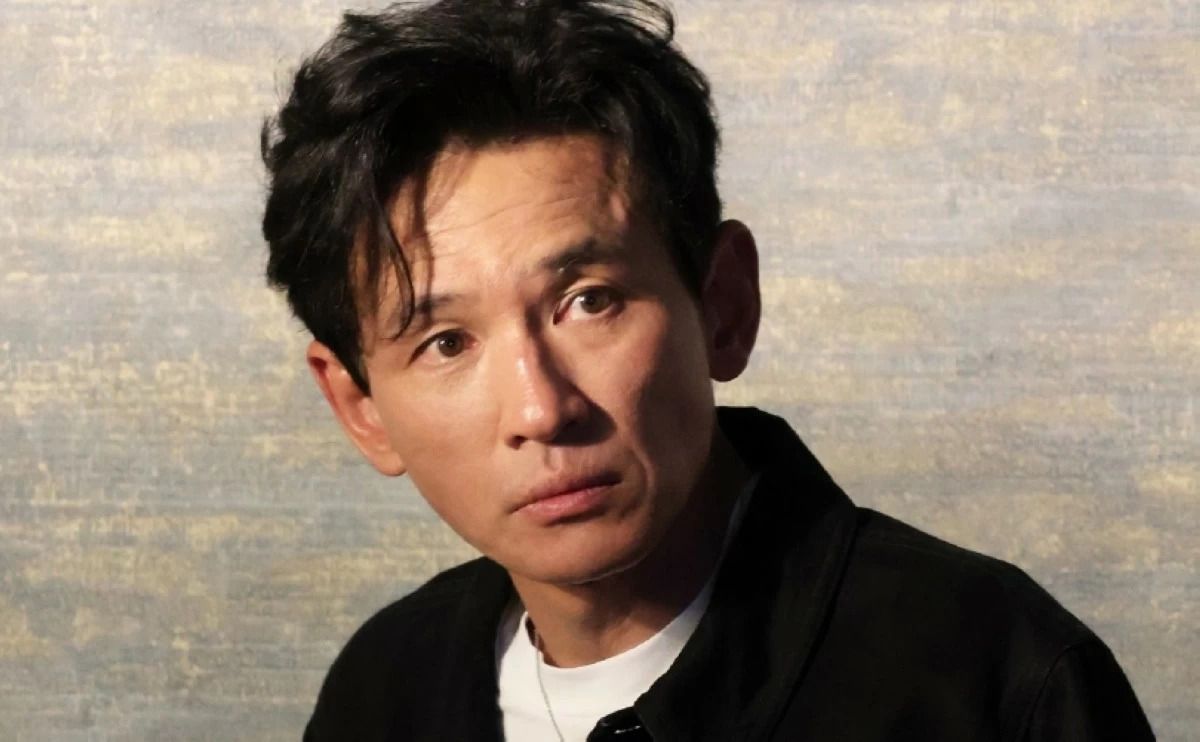
South Korean cinema's leading man Hwang Jung-min has moved to decisively counter allegations of an extramarital affair after his management agency branded the accuser a criminal stalking suspect on July 29. The 55-year-old actor's agency announced plans to pursue additional legal action following the woman's online campaign, which featured what she presented as private text messages, photographs, and audio recordings allegedly documenting a romantic relationship between them.
The woman's social media posts represent the latest escalation in what Hwang's representatives characterise as a prolonged harassment campaign targeting the actor. According to the agency's formal statement, the individual in question has engaged in continuous criminal stalking behaviour, prompting Hwang to lodge a formal criminal complaint against her in 2025. Rather than engaging substantively with the specific allegations, the agency has shifted the narrative toward framing the accuser's actions as evidence of obsessive conduct that extends well beyond reasonable personal dispute.
Court proceedings have already moved against the woman, who has faced tangible legal consequences for her conduct. A court has issued three separate restraining orders preventing her from contact or further harassment, while also issuing a summary fine of three million won—equivalent to approximately RM8,525—according to the agency's statement. These judicial interventions suggest that legal authorities have found sufficient grounds to formally restrict her behaviour, a detail the agency has prominently featured in its defence strategy.
However, the woman's legal battle has not concluded. She has contested the monetary fine and requested a full formal trial to challenge the summary judgement, according to South Korean media reports. Beyond defending herself against the stalking charges, she has simultaneously initiated civil litigation against Hwang seeking financial damages. This dual-track approach indicates the accuser remains determined to press her claims through multiple legal avenues despite the restraining orders and fines already imposed against her.
The agency's response characterised the social media posts as "maliciously edited" materials designed to misrepresent the actor's conduct, while stopping short of directly addressing the authenticity of any audio recording the woman publicised. This calculated silence on the recording's legitimacy contrasts with the agency's aggressive denial of the broader affair allegation, suggesting a strategic legal approach aimed at avoiding admissions that could complicate litigation. The company apologised for the disruption the controversy has caused while maintaining that the core allegations lack validity.
Hwang's personal life has remained relatively private despite his prominence in South Korean entertainment. The actor has been married to Kim Mi-hye since 2004. She is herself an accomplished professional in South Korea's entertainment sector, having established her career as a musical and theatrical producer. Significantly, Kim Mi-hye also serves as the head of SEM Company, the management agency now defending Hwang's reputation—a detail that underscores how the couple's professional and personal lives remain intertwined through shared business interests.
The timing of these allegations carries particular significance for Hwang's career trajectory. The actor represents one of South Korean cinema's most bankable stars, commanding leading roles in major box-office productions that regularly achieve both critical acclaim and commercial success. This stature amplifies the reputational stakes of the current controversy, as public perception directly influences audience attendance and production companies' willingness to cast him in major projects.
The actor is currently engaged with a significant international production that demonstrates the scope of his appeal beyond Asia's borders. He is starring in Na Hong-jin's action thriller "Hope," a cross-cultural collaboration that also features South Korean actors Jo In-sung and Jung Ho-yeon alongside Hollywood stars Michael Fassbender and Alicia Vikander. The film is scheduled to open in Singapore on September 10, expanding into broader regional release patterns that will test audience reception during an active period of controversy.
For Malaysian audiences and Southeast Asian entertainment observers, this situation illustrates broader tensions within the South Korean entertainment industry regarding privacy, digital communication, and the power dynamics between celebrities and individuals claiming personal relationships. The case demonstrates how social media has become a primary battleground for claims that might previously have remained confined to private disputes or tabloid speculation. It also highlights the legal infrastructure South Korea has developed to address digital harassment, with courts proving willing to impose substantial barriers between accused stalkers and their targets.
The scandal further underscores how allegations—whether substantiated or not—can significantly impact entertainment industry dynamics across the region. Hwang's ongoing international productions and casting prospects may face scrutiny from production companies concerned about potential reputational complications. The broader entertainment ecosystem across Southeast Asia, which frequently engages with South Korean content and collaborates with Korean industry professionals, watches such controversies closely as indicators of how regional entertainment industries manage crisis communications and legal challenges in the digital age.

