A significant lapse in medical waste management came to light in South Korea when Incheon police confirmed on Friday, June 19, that a human leg found at a recycling centre the previous week had been carelessly discarded as ordinary waste by a local nursing hospital. The revelation, which followed a formal report submitted by hospital administrators two days before the police announcement, has triggered investigations into potential breaches of South Korea's strict waste disposal and medical practice regulations.
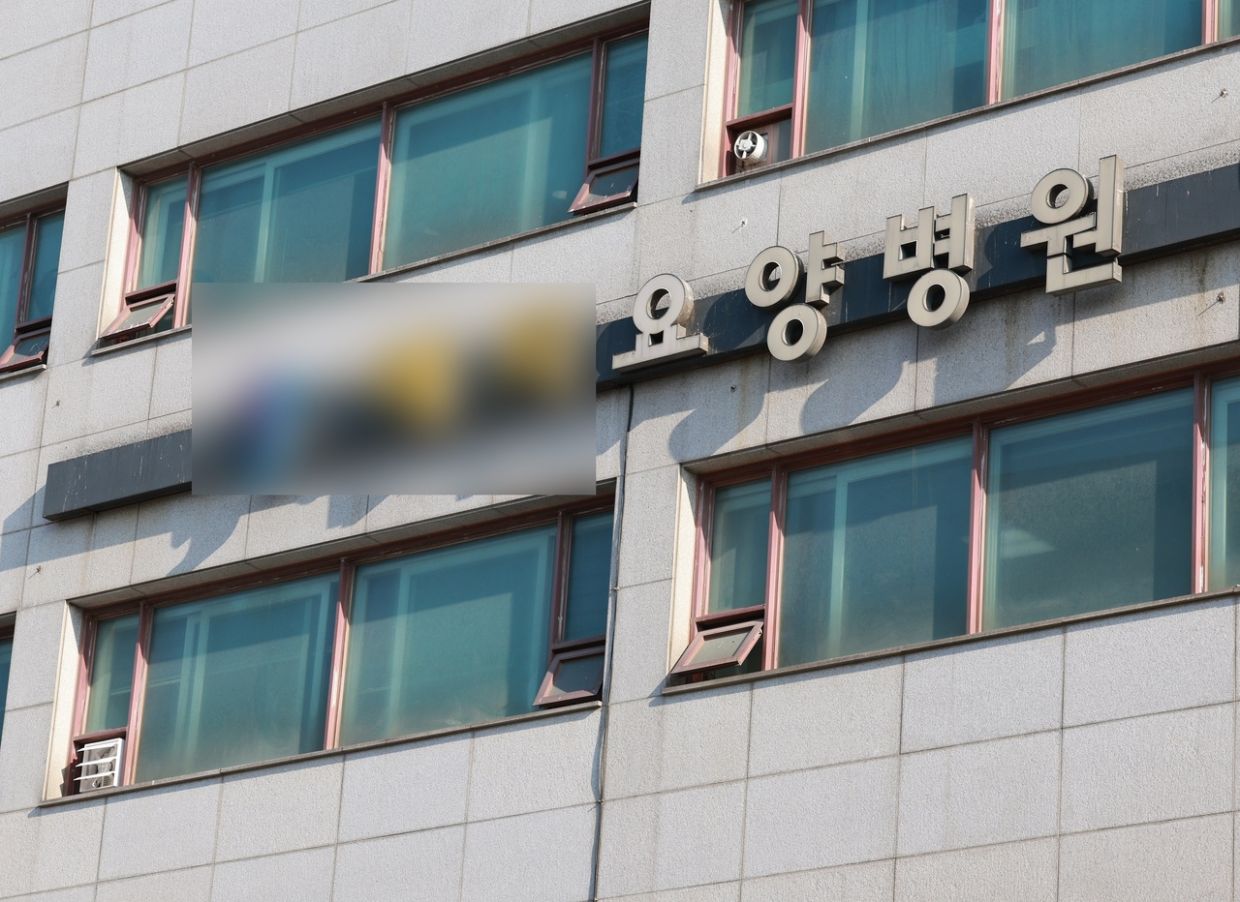
The amputated leg belonged to a woman in her 80s who had undergone the surgical procedure at a nursing hospital located in Jung-gu, Incheon. According to Incheon Yeonsu Police Station officials, the limb was initially categorised appropriately as medical waste within the hospital's internal systems. However, the classification proved meaningless when a member of the cleaning and maintenance staff, aged in their 60s, made a fateful error in judgment. Believing the severed limb to be part of a mannequin or prosthetic model, the worker placed it with ordinary recyclable waste destined for disposal at the Southern Regional Resource Recovery Centre.
The discovery occurred on June 10 at approximately 2:28pm when the leg was found at the recycling facility, immediately triggering alarm among workers and prompting notification to police authorities. The initial response involved forensic analysis by the National Forensic Service to establish the nature and origin of the remains. Once experts confirmed the leg belonged to an adult human rather than an inanimate object, investigators began working backwards to identify the source.
The Jung-gu nursing hospital voluntarily came forward to provide crucial information, informing police that the leg likely originated from their facility. This cooperation expedited the investigation significantly. Subsequent DNA analysis conducted by the National Forensic Service definitively matched the amputated limb to the female patient, establishing beyond doubt both the identity and source of the remains. The confirmation brought closure to the initial identification phase whilst opening new questions about institutional accountability and regulatory compliance.
Although forensic investigation ruled out any involvement of foul play or criminal misconduct in the amputation itself, the incident has exposed significant procedural failures that carry serious legal implications. The nursing hospital now faces potential accountability under South Korea's Wastes Control Act, which establishes mandatory protocols for the disposal of medical waste. The legislation explicitly requires that medical waste be segregated from general refuse and disposed of exclusively in government-designated containers designed specifically for such materials. The casual placement of an amputated limb into the regular waste stream represents a clear violation of these fundamental requirements.
Police investigators are currently examining whether the hospital and its staff adhered to the relevant legal provisions governing medical waste disposal. This examination extends beyond the simple question of whether proper containers were used, encompassing the broader systems and training that should prevent such lapses. The cleaners' misidentification of the limb suggests possible inadequate training or lack of clear communication about what materials require special handling. Additionally, investigators are reviewing compliance with the Medical Service Act to determine whether proper protocols were followed regarding the amputation procedure itself.
A notable complication emerged during the investigation when allegations surfaced that the nursing hospital lacks the necessary equipment and facilities to legally perform amputation procedures. If substantiated, this would suggest the facility may have engaged in unauthorised surgical procedures, a serious infringement of medical practice regulations in South Korea. However, police have declined to make definitive statements on this matter, indicating the investigation remains preliminary and findings are still being compiled.
The regulatory response will require coordination between multiple government and professional bodies. Police officials have indicated they have not yet identified a specific criminal clause under the Medical Service Act that directly applies to this situation, signalling the complexity of determining appropriate legal consequences. Before reaching final conclusions, investigators plan to consult extensively with the Korean Medical Association, the Ministry of Health and Welfare, and independent legal experts. This consultative approach reflects the novelty and gravity of the situation, requiring input from stakeholders across the healthcare, regulatory, and legal sectors.
Family circumstances surrounding the case provide additional context for the hospital's role in the patient's care. According to testimony given to police, the elderly woman was admitted to the nursing facility after multiple other hospitals declined to receive her due to her severely deteriorating health condition. This detail suggests the nursing home may have provided care as a facility of last resort, though such circumstances do not excuse lapses in waste management protocols. The case highlights tensions within South Korea's healthcare system regarding the treatment of elderly patients with complex medical needs and the standards maintained by facilities that provide care when mainstream hospitals are unwilling or unable to accept patients.
%22%2F%3E%3C%2Fpattern%3E%3C%2Fdefs%3E%3Crect%20width%3D%22100%25%22%20height%3D%22100%25%22%20fill%3D%22url(%23ph24rdpg)%22%2F%3E%3Crect%20width%3D%22100%25%22%20height%3D%22100%25%22%20fill%3D%22url(%23ph24rdpp)%22%2F%3E%3Ctext%20x%3D%2250%25%22%20y%3D%2250%25%22%20text-anchor%3D%22middle%22%20dominant-baseline%3D%22central%22%20fill%3D%22rgba(255%2C255%2C255%2C0.95)%22%20font-family%3D%22Georgia%2C%20'Times%20New%20Roman'%2C%20serif%22%20font-weight%3D%22700%22%20font-size%3D%22170%22%20letter-spacing%3D%22-0.02em%22%3EMalaysia%3C%2Ftext%3E%3C%2Fsvg%3E)
%22%2F%3E%3C%2Fpattern%3E%3C%2Fdefs%3E%3Crect%20width%3D%22100%25%22%20height%3D%22100%25%22%20fill%3D%22url(%23ph16szhg)%22%2F%3E%3Crect%20width%3D%22100%25%22%20height%3D%22100%25%22%20fill%3D%22url(%23ph16szhp)%22%2F%3E%3Ctext%20x%3D%2250%25%22%20y%3D%2250%25%22%20text-anchor%3D%22middle%22%20dominant-baseline%3D%22central%22%20fill%3D%22rgba(255%2C255%2C255%2C0.95)%22%20font-family%3D%22Georgia%2C%20'Times%20New%20Roman'%2C%20serif%22%20font-weight%3D%22700%22%20font-size%3D%22136%22%20letter-spacing%3D%22-0.02em%22%3ECourt-Ord%E2%80%A6%3C%2Ftext%3E%3C%2Fsvg%3E)