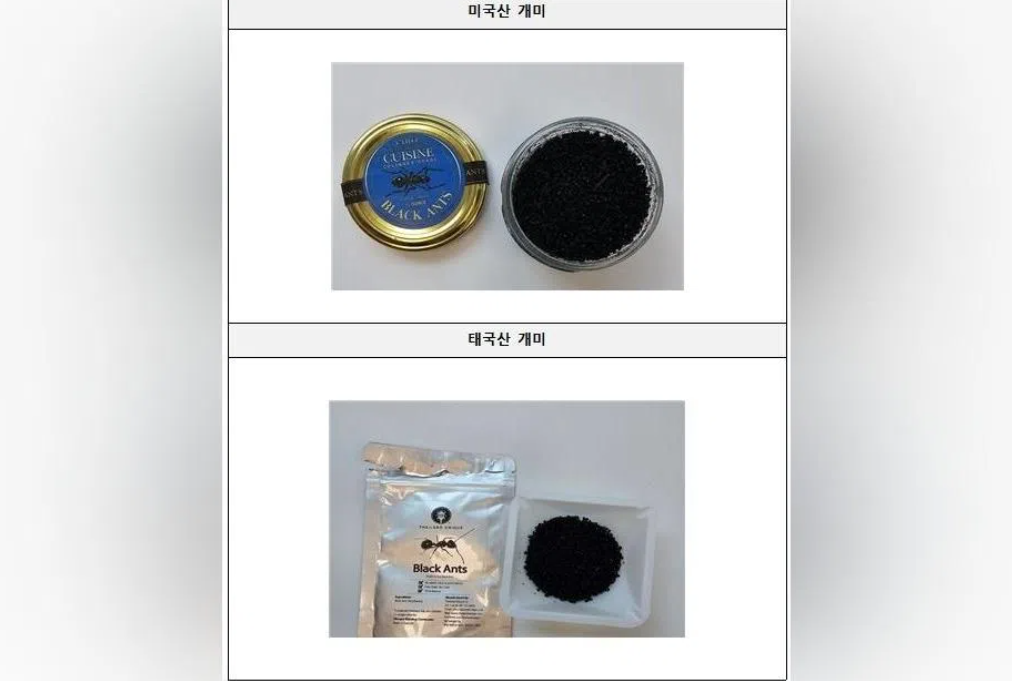
A high-profile culinary controversy has engulfed Seoul's fine dining scene after prosecutors sought a one-year prison sentence against the owner of a two-Michelin-starred restaurant for serving unauthorised insects to patrons. The case, which came before Seoul Western District Court at a Monday hearing, centres on the use of black ants as a garnish on palate-cleansing sorbets, allegedly intended to impart a sour flavour to the dessert.
The restaurant's proprietor, whose identity has been withheld from public disclosure, operated the unnamed establishment while deliberately skirting South Korea's strictly regulated food safety framework. Prosecutors have painted a picture of systematic non-compliance, alleging that the chef sourced black ants imported from Thailand and the United States and incorporated them into dishes served to unsuspecting diners. The practice continued for nearly four years until January 2025, when authorities finally brought the operation to a halt.
South Korea maintains one of the world's most stringent lists of approved insect species for human consumption, with only ten varieties cleared for culinary use. This approved roster includes grasshoppers and brown mealworm larvae, both of which have established roles in Korean cuisine and food production. The black ants used at this establishment fell entirely outside this regulatory framework, rendering their use in food service a direct violation of national food safety law. The distinction matters considerably in a country where food standards are treated with particular seriousness following historical contamination scandals.
The economic scale of the transgression suggests this was no isolated experimental dish. Documents filed by South Korea's food safety ministry indicate that ant-garnished sorbet sales generated approximately 120 million won—equivalent to roughly US$81,000—across approximately 12,000 individual transactions. This volume demonstrates that the practice was neither an accidental slip nor a one-off creative flourish, but rather an established menu component generating substantial revenue over an extended period.
Authorities uncovered the operation through an investigation launched last year, which revealed the systematic nature of the chef's approach. According to the ministry's formal statement, diners received sorbets topped with between three and five ants per serving, with the chef explicitly intending this garnish to contribute a distinctive acidic taste to the palate cleanser. Photographic evidence released by investigators shows a commercial can labelled "Cuisine Black Ants" in packaging designed for food service, indicating the chef was not improvising but rather purchasing insects through established supply channels.
The legal consequences sought by prosecutors extend beyond imprisonment. Seoul prosecutors have requested a concurrent fine of 20 million won, compounding the potential penalty for what they argue constitutes deliberate regulatory violation rather than negligent oversight. The combined sentence—one year imprisonment plus the monetary penalty—represents a stern message about the seriousness with which South Korean authorities view breaches of food safety legislation, particularly in establishments holding prestigious international recognition.
The defendant's legal team has offered a partial mitigation argument, contending that the ant-containing dishes were served exclusively to customers who had provided advance consent. This defence suggests awareness on the chef's part that the practice was questionable, since truly approved garnishes would require no prior customer permission. The defendant's own closing statement acknowledged culpability, with the proprietor expressing remorse and claiming insufficient understanding of relevant regulations. This admission of negligence rather than innocence may influence sentencing calculations, though it does little to excuse years of systematic practice.
The case raises uncomfortable questions about the gap between culinary ambition and regulatory compliance in fine dining globally. The pursuit of novel taste experiences and distinctive plating techniques has become central to high-end gastronomy's competitive dynamics, yet must operate within the legitimate bounds of food safety frameworks. A two-Michelin-starred establishment's willingness to circumvent these rules suggests either contempt for food safety standards or an assessment that the risks of detection were manageable—a calculation that has now proven catastrophically wrong.
For the wider Southeast Asian culinary community, the case offers instructive lessons about the importance of scrupulous adherence to national food regulations, regardless of artistic intent or international recognition. Malaysia's own food safety authorities watch developments in neighbouring jurisdictions carefully, and this Korean precedent reinforces the regulatory baseline against which all premium establishments will be measured. South Korea's rigorous enforcement sends a clear signal that Michelin stars provide no exemption from the legal frameworks governing food safety and consumer protection.
The Seoul Western District Court is scheduled to deliver its ruling in early September, at which point a final determination on both imprisonment and fines will be issued. This timeline provides an opportunity for the judge to weigh the competing considerations: the defendant's acknowledgment of wrongdoing and the apparent willingness of diners to participate, against the systematic nature of the violation and the importance of maintaining food safety standards. The verdict will likely establish important precedent for how South Korean courts evaluate culinary innovation when it conflicts with consumer protection obligations.

