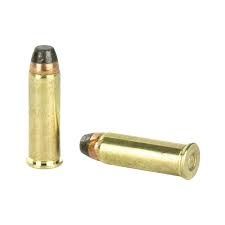
A police officer attached to South Korea's Gyeonggi province force is now the subject of a formal investigation after attempting to board a commercial aircraft while possessing live ammunition, according to a statement released by Jeju Island police on July 3. The officer, who is in his 30s, was discovered carrying two rounds of ammunition as he prepared to board a flight bound for Gimpo Airport from Jeju Airport on the evening of June 28. The discovery has prompted authorities to examine whether proper protocols for managing weapons and ammunition were followed.
The investigation was formally initiated by officials at the Jeju Seobu Police Station, which has characterised the incident as a potential violation of the Act governing the safety management of guns, swords and explosives. This legal framework establishes the standards that police personnel and other authorised individuals must adhere to when handling weapons and related materials. The officer's attempt to transport ammunition without authorisation represents a significant breach of these established safety procedures, raising questions about individual accountability within law enforcement ranks.
During the screening process at Jeju Airport at approximately 8.40pm local time, airport security personnel identified the two bullets in the officer's possession. The discovery itself underscores the effectiveness of baggage screening protocols at South Korean airports, which successfully detected the ammunition before the officer could complete his boarding process. Notably, airport staff at Gimpo had conducted a separate screening when the officer boarded a flight to Jeju on June 26, during which no ammunition was detected in his luggage, suggesting the bullets may have been acquired or transferred between his initial departure and return journey.
Forensic analysis conducted by the National Forensic Service established that the ammunition was compatible with a 0.38-calibre pistol, the standard-issue firearm provided to the vast majority of South Korea's police officers. This finding is significant because it demonstrates that the ammunition matched the type of weapon the officer would be authorised to carry during his regular duties. The identification of the ammunition type has assisted investigators in understanding the potential origin of the rounds and their intended purpose.
In interviews with investigators, the officer provided an explanation for his possession of the live rounds, stating that he had received the ammunition from a former colleague who had recently retired from the force. This account has become a central focus of the ongoing investigation, as authorities seek to verify whether such transfers of ammunition between officers—particularly involving recently retired personnel—represent a systemic issue or an isolated incident. The explanation raises broader questions about how retired officers dispose of or transfer ammunition and whether sufficient oversight exists to monitor such transactions.
South Korea maintains among the world's strictest regulations governing civilian and law enforcement access to firearms and live ammunition. These regulations are intentionally designed to minimise risks associated with weapon availability and to maintain public safety across the nation. The stringent framework reflects a deliberate policy choice to restrict the circulation of firearms and ammunition in society, creating a controlled environment where only authorised personnel may possess weapons under specified circumstances.
Central to these regulatory requirements is a mandatory protocol requiring all police officers to store their personal firearms and related equipment at the armoury maintained at their respective police stations. This centralised storage system serves multiple purposes: it provides secure custody of weapons outside duty hours, creates accountability for each weapon and associated ammunition, and reduces the likelihood of unauthorised possession or misuse. The requirement effectively separates officers from their weapons except during authorised operational periods, establishing a clear boundary between on-duty and off-duty status regarding firearm access.
The incident raises significant implications for Southeast Asian law enforcement agencies examining their own firearm management protocols. As regional policing standards continue to evolve, the case demonstrates the importance of rigorous oversight mechanisms and consistent enforcement of weapons regulations. The discovery also highlights the effectiveness of modern airport security screening in identifying potential violations before they escalate into more serious incidents.
For Malaysia and other neighbouring countries, the case serves as a reminder of the persistent challenges associated with maintaining discipline within police ranks regarding weapon handling. Despite stringent regulations and training protocols, individual officers may occasionally attempt to circumvent established procedures, whether through negligence, misunderstanding of regulations, or deliberate disregard for safety measures. The investigation's outcome will likely influence how South Korean authorities refine their internal oversight mechanisms and disciplinary procedures for similar future incidents.
The broader regulatory environment in South Korea suggests that this represents an exceptional rather than systematic problem within the police force. However, the investigation's findings regarding how the officer obtained the ammunition—particularly through a transfer from a retiring colleague—may prompt authorities to examine transition procedures for outgoing personnel. Ensuring that retiring officers properly account for all ammunition and weapons in their possession could represent an additional layer of oversight worthy of consideration.

