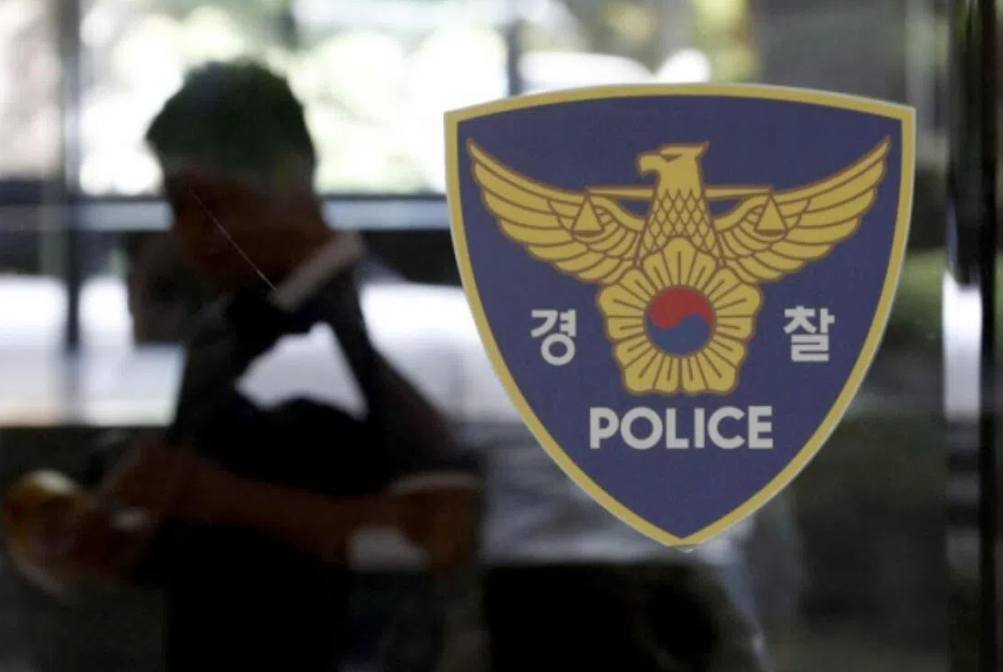
A tragic incident in South Korea's Incheon region has resulted in criminal charges against a police officer who fatally struck a citizen she had been dispatched to aid, highlighting the dangerous split-second decisions that emergency responders must navigate in the course of their duties. The young officer, whose name has not been disclosed, was sent to the scene after authorities received a distress call reporting that a woman in her sixties had collapsed on the roadway. In the pre-dawn darkness of July 3, the patrol vehicle she was operating struck the very person she had come to rescue, resulting in what officials are now investigating as a fatal traffic incident.
According to the Incheon Michuhol Police Station, the collision occurred at approximately 12:45 in the morning at a location near a left turn in the road. The officer has claimed that visibility was severely compromised by the darkness of the hour, and that she was unable to detect the woman's presence on the pavement before the vehicle made contact. The circumstances surrounding the accident point to a confluence of environmental factors that may have contributed to the tragedy—the absence of adequate street lighting, the curved nature of the roadway, and the officer's limited sightlines at the moment of impact. These details are now central to the investigation being conducted by police officials tasked with determining the precise sequence of events and whether any lapses in protocol occurred.
The investigation being undertaken by Incheon authorities focuses on establishing the exact nature of the officer's culpability in the death. Officials are treating the matter as causing death through a traffic accident, a charge that could carry serious legal consequences depending on findings about negligence or violation of duty. The presence of a sergeant in the passenger seat during the incident has also drawn attention, though police authorities have indicated that the passenger officer is unlikely to face any disciplinary measures or legal action. This distinction raises questions about liability allocation and the extent to which responsibility should be assigned to those present during emergency operations.
A critical component of the ongoing investigation involves the analysis of surveillance footage from the area where the tragedy unfolded. Security camera recordings may provide objective documentation of the lighting conditions, the victim's positioning on the road, the officer's line of sight, and the speed at which the patrol vehicle was traveling at the moment of collision. Such visual evidence could prove decisive in clarifying whether the officer exercised reasonable care and followed appropriate protocols for responding to distress calls, or whether investigative findings suggest negligence or deviation from established emergency response procedures. The examination of this footage will likely take considerable time and may require consultation with accident reconstruction specialists.
For Malaysian and Southeast Asian observers, this incident underscores broader concerns about police training, vehicle safety protocols, and the hazards inherent in emergency response operations. When officers are sent to assist citizens in distress, they face inherent risks and must balance speed with caution—a tension that becomes particularly acute during nighttime hours or in poorly lit areas. The case raises important questions about whether police departments across the region have adequate training protocols for officers responding to roadside emergencies, particularly in low-visibility conditions. It also highlights the potential vulnerabilities of vulnerable people in public spaces, especially those who may be injured, ill, or elderly and at risk on busy roads.
The decision about whether to formally request an arrest warrant for the officer will depend significantly on the conclusions drawn from the surveillance analysis and supplementary investigation. South Korean law provides for careful consideration of circumstantial evidence and intent in cases of fatal traffic accidents, and authorities must weigh whether the officer's actions constituted gross negligence or simply an unfortunate accident that occurred despite reasonable precautions. The outcome of this case will likely influence how police departments across South Korea and beyond approach nighttime emergency response protocols, accident prevention measures, and officer training in hazard awareness.
Beyond the immediate legal proceedings, this tragedy raises systemic questions about resource allocation and infrastructure in emergency response. The victim's collapse on the roadway in the first instance—the reason the officer was dispatched—points to broader questions about public safety, street design, and the adequacy of lighting and emergency infrastructure in accident-prone locations. Communities throughout Southeast Asia grapple with similar challenges as urbanization accelerates and traffic volumes increase. Ensuring that streets are well-lit, that collapsed individuals are protected from vehicular traffic, and that emergency responders can perform their duties safely and effectively requires coordinated effort across multiple agencies and ongoing investment in public infrastructure.
The incident serves as a sobering reminder of the occupational hazards faced by police officers and other first responders throughout the region. Every emergency call carries inherent risks, and officers must often make split-second decisions with incomplete information in challenging environmental conditions. While accountability for outcomes remains essential, this case also invites reflection on how communities can better support emergency personnel and reduce the likelihood of such tragic outcomes. Whether through improved lighting, better communication protocols, specialized training in nighttime response procedures, or enhanced vehicle safety features, there are multiple avenues through which police departments and local authorities might work to prevent similar incidents in the future.

