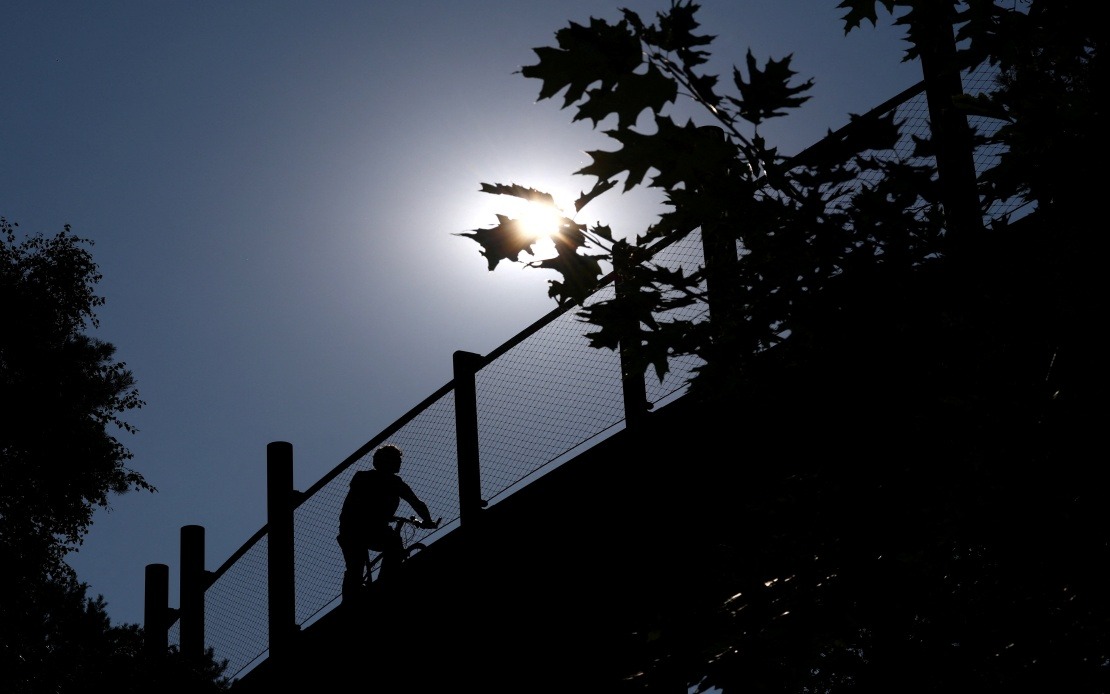
South Korea is confronting a mounting public health crisis as heat-related fatalities have climbed to 21 this year, a troubling milestone that has already exceeded the entire death toll from the previous year. According to data released by the Korea Disease Control and Prevention Agency on Wednesday, the surge comes despite fewer people overall reporting heat-related illnesses compared to the corresponding period in 2023, underscoring a shift toward more severe and potentially fatal cases. The discrepancy between case numbers and mortality rates points to a concerning pattern: while preventive measures and awareness may be helping reduce minor heat-related incidents, the extreme temperatures are proving increasingly dangerous for vulnerable populations.
Since authorities activated the heat-related illness surveillance system in mid-May, emergency rooms across the nation have treated 2,441 patients presenting with heat-related conditions. This accumulated figure, reaching through early August, provides health officials with a comprehensive picture of how the ongoing heat wave is affecting public health infrastructure. The Korea Disease Control and Prevention Agency's systematic tracking allows policymakers to identify trends and deploy resources more effectively, yet the rising death toll suggests that current interventions may be insufficient for the most at-risk demographics.
Among those affected this year, heat exhaustion represents the majority of cases at 61.7 per cent, reflecting the most common manifestation of heat stress. Heat stroke, the most dangerous and potentially fatal form of heat illness, accounts for 16.8 per cent of reported cases, while heat cramps comprise 11.5 per cent. This distribution indicates that while most people experience manageable symptoms, a substantial minority develop the life-threatening condition of heat stroke, which requires immediate medical intervention. Understanding these proportions helps hospitals and emergency services anticipate resource needs and deploy personnel accordingly.
One recent casualty exemplifies the real-world danger posed by the heat wave. A 60-year-old man working on a farm in Eumseong County in North Chungcheong Province collapsed while exposed to the elements on Tuesday, becoming the latest victim in a series of outdoor-worker fatalities. Such incidents highlight the particular vulnerability of agricultural labourers and construction workers who cannot simply remain indoors during peak heat hours, a reality that resonates across Southeast Asia where outdoor agricultural work remains economically essential despite climate risks.
The situation has intensified in recent days as South Korea's state weather agency issued fresh severe heat wave warnings specifically targeting the greater Seoul metropolitan area. With 43 per cent of the capital region now placed under the highest alert level, officials are bracing for potentially dangerous conditions in the coming days. Seoul itself faces forecasted highs of 39 degrees Celsius on Thursday, a temperature that poses serious risks to elderly residents, young children, and those with pre-existing health conditions.
For Malaysian and Southeast Asian observers, South Korea's heat crisis carries important lessons and warning signs. The region shares similar tropical and subtropical climates, and as climate patterns shift globally, Malaysia and neighbouring countries may face comparable spikes in heat-related morbidity and mortality. The fact that fewer cases but more deaths were recorded this year suggests that heat waves are becoming more intense and less forgiving, even when awareness campaigns succeed in reducing minor incidents.
The paradox of declining case numbers alongside rising fatalities deserves scrutiny. One explanation may involve a survivor bias in reporting: people suffering minor heat exhaustion might avoid hospitals, while only the most severe cases—those progressing toward fatal outcomes—present for emergency treatment. Alternatively, the composition of the affected population may have shifted, with a higher proportion of elderly or immunocompromised individuals exposed to dangerous conditions. Either interpretation suggests that aggregate statistics can mask dangerous underlying trends.
South Korea's response mechanism, anchored by the surveillance system launched mid-May, demonstrates how structured data collection can support public health decision-making. However, data collection alone cannot prevent deaths; it must be paired with enforcement of workplace safety standards, public education about heat avoidance, and targeted support for vulnerable populations. The fact that farm workers continue to suffer fatal heat exposure indicates potential gaps between policy and implementation.
For Southeast Asian governments and health authorities, the South Korean experience underscores the urgency of preparing comprehensive heat response strategies before crisis conditions develop. Malaysia, with its predominantly tropical climate and high humidity levels that amplify heat stress, should examine whether current emergency protocols, workplace standards, and public health messaging adequately prepare the population for extreme heat events. The region's substantial agricultural workforce and outdoor-labour economy create particular vulnerabilities that require proactive, sector-specific interventions.
As South Korea endures what meteorologists describe as an intense heat wave, the nation serves as a real-time laboratory for understanding how developed nations with advanced health infrastructure struggle to prevent heat-related deaths. The rising toll in a country with world-class medical systems suggests that addressing heat extremes requires not only clinical capacity but also socioeconomic support, workplace regulations, and climate adaptation planning. For Malaysia and the broader Southeast Asian region, where healthcare resources may be more constrained and outdoor work even more prevalent, the implications are stark: preparing for extreme heat is not optional but essential.

