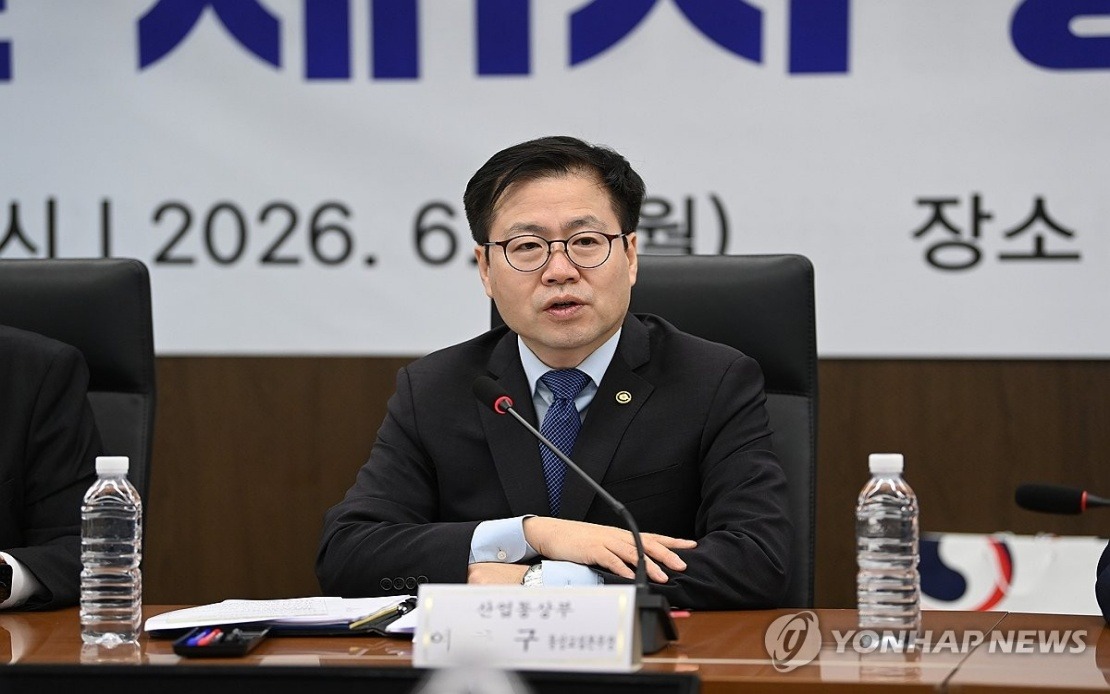
South Korea has removed its chief trade negotiator from office at a pivotal moment in Seoul's increasingly fraught commercial relationship with the United States. Yeo Han-koo was notified of his dismissal by the Ministry of Personnel Management on Friday, according to officials who refrained from offering specific reasons for the decision. The timing of his departure has raised questions about the direction of South Korean trade policy precisely when Seoul faces mounting American pressure to accelerate investment commitments and resolve disputes that have festered between the two allies.
Government officials moved quickly to downplay any connection between Yeo's removal and the escalating tariff tensions with Washington, insisting that his dismissal bore no relation to ongoing trade negotiations. However, such denials have done little to quell speculation about the circumstances surrounding the decision. Yeo himself disputed suggestions of personal misconduct, issuing a statement that characterised claims against him as baseless and indicating his willingness to pursue legal remedies against what he termed false reporting. The episode underscores the fraught political environment surrounding trade matters in Seoul, where domestic and international pressures often collide.
The dismissal arrives at an especially delicate juncture for bilateral relations. Beyond tariff disputes, Seoul faces a separate confrontation with Washington over fines it has imposed on Coupang, the American e-commerce behemoth, following a significant breach of personal data. These multiple friction points have created a complex negotiating landscape where missteps carry serious consequences. The United States has been pressing Seoul to accelerate its investment pledges made under an existing bilateral tariff agreement, demanding greater economic commitment to offset trade imbalances.
The pressure intensified dramatically on Thursday when US President Donald Trump signed a proclamation introducing fresh tariffs on drones and their components, levying 15 per cent on imports originating from South Korea. This action represents a concrete manifestation of Washington's willingness to deploy tariff measures when negotiations do not yield results according to its preferred timeline. For Seoul, such moves carry immediate economic implications given South Korea's significant manufacturing base in technology and defence-related sectors, areas that increasingly intersect with drone production and components.
Yeo brought substantial experience to his post, having previously served as trade minister during the Moon Jae-in administration before being reappointed following Lee Jae-myung's assumption of the presidency in May 2025. Since his return, he has been instrumental in navigating Seoul's fractious trade discussions with Washington, handling both the technical dimensions of tariff negotiations and the broader strategic questions about South Korea's economic relationship with its most important security ally. His departure removes a figure who had developed institutional memory of these complex discussions and had built relationships with American counterparts over multiple administrations.
The removal of such a senior negotiator mid-crisis raises practical concerns about continuity and expertise. Trade negotiations of this complexity require deep knowledge of both the technical details and the political constraints on both sides. Finding a successor with equivalent experience and established credibility with American officials will require time, potentially leaving South Korea at a disadvantage during a critical negotiating period. The transition risks creating confusion about Seoul's negotiating position and might embolden the Trump administration to press harder for concessions.
South Korea's circumstances reflect broader challenges facing middle-power economies caught between competing economic interests and security partnerships. Like several Southeast Asian nations, Seoul depends heavily on its relationship with the United States for security guarantees while simultaneously managing significant trade relationships that can create friction. The tariff pressures emanating from Washington are not unique to South Korea but represent part of a wider pattern of American trade assertiveness that has implications across Asia.
For Malaysian observers and policymakers, the South Korean situation offers instructive lessons. Many ASEAN economies occupy similar positions to Seoul, balancing security ties with the United States against economic interdependence and competing commercial relationships. The ease with which tariff disputes can escalate, and the manner in which such disagreements can create domestic political difficulties, remains relevant to Malaysia's own trade strategy considerations. Additionally, the treatment of senior negotiators and the stability of trade policy implementation matter significantly when building predictable commercial relationships.
The broader regional context also merits attention. As the United States applies tariff pressure on multiple countries simultaneously, Asian economies face the prospect of fragmented bilateral negotiations rather than coordinated multilateral frameworks. This environment incentivises countries to achieve individual deals quickly rather than waiting for regional or global solutions. South Korea's current predicament may foreshadow similar pressures that other trading nations in Southeast Asia might face in coming months as Washington pursues its protectionist agenda.

