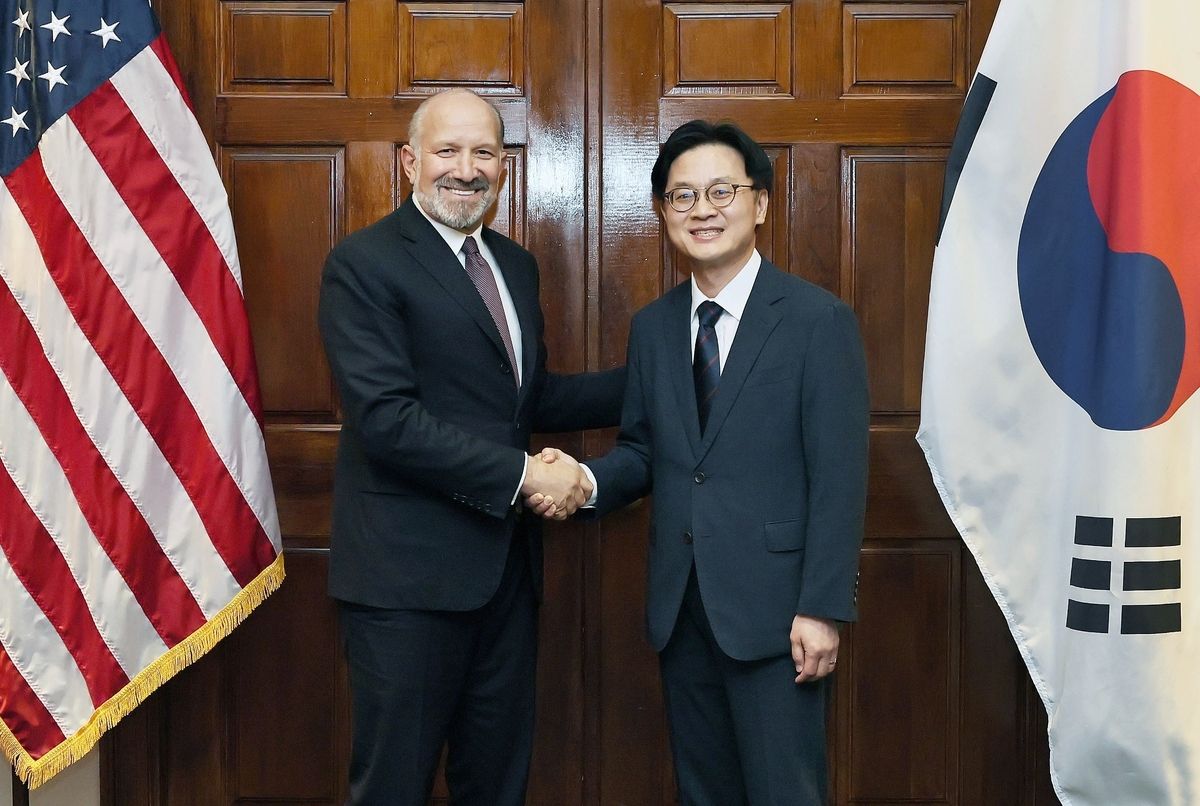
South Korea's Industry Minister Kim Jung-kwan is making a critical trip to Washington this week, arriving at a particularly delicate moment in bilateral trade relations when the US government is preparing to announce fresh tariffs that could significantly impact South Korean exporters. The minister's visit, scheduled for July 22 to 25, comes as Seoul watches closely for an American decision regarding an investigation into trade practices linked to forced labour, a matter that local media suggests could intensify tariff pressure on goods shipped from South Korea to the United States.
The timing of Kim's mission reflects the dual nature of modern trade diplomacy between two countries with deep strategic ties. Rather than waiting passively for tariff announcements, Seoul is taking a proactive approach by positioning senior officials in direct engagement with key American decision-makers. This defensive posture, combined with efforts to highlight cooperative initiatives, represents Seoul's attempt to shape the outcome of American trade policy reviews before they crystallise into binding decisions.
During his four-day stay, Kim plans to meet with US Commerce Secretary Howard Lutnick to explore opportunities for strategic South Korean investment flowing into the United States. These discussions carry particular significance because they connect to broader patterns of Korean companies establishing manufacturing and technology operations within American territory, a trend that potentially mitigates some tariff vulnerabilities by shifting production closer to US consumers. The conversations between Kim and Lutnick will likely centre on how Seoul can deepen these investment commitments in ways that serve mutual economic interests.
Beyond commerce-focused meetings, Kim's agenda encompasses energy and resource cooperation discussions with US Energy Secretary Chris Wright. This dimension underscores how trade relationships between advanced industrial nations extend well beyond manufacturing and tariffs into strategic sectors including critical minerals and energy security. For Southeast Asia and the broader region, such US-Korea energy partnerships carry implications for regional resource competition and the direction of clean energy investment flows throughout Asia.
Kim is also scheduled to conduct outreach to members of Congress on trade and investment themes. This engagement with the legislative branch reflects Seoul's understanding that Congressional support strengthens bilateral trade relationships and can influence executive branch decisions on tariff matters. By building relationships directly with American legislators, South Korea aims to cultivate long-term advocates for stable trade relations who can push back against protectionist impulses.
A centrepiece of Kim's Washington visit is his participation in Thursday's opening ceremony for a South Korea-U.S. Shipbuilding Partnership Center. This facility represents a tangible manifestation of the bilateral May agreement between Seoul's Ministry of Trade, Industry and Resources and the US Commerce Department establishing a formal shipbuilding partnership initiative. The centre will function as an institutional bridge enabling sustained coordination between Korean and American shipbuilders, facilitating technology sharing, joint projects, and coordinated responses to global maritime industry challenges. For regional shipping and manufacturing sectors, this partnership signals continued Korean-American cooperation in advanced industrial production.
Kim has emphasised that stabilising bilateral trade relations ranks among his primary objectives during this visit. He indicated Seoul intends to implement existing tariff agreements faithfully and maintain consistent communication channels to prevent trade disputes from escalating into broader economic confrontations. This measured messaging suggests South Korea recognises the current environment demands careful management of expectations and commitments rather than aggressive negotiating postures.
Another crucial component of Kim's mission involves advancing South Korea's newly enacted law that took effect in June, designed to incentivise and support strategic investment by Korean companies operating within the United States. Kim plans to work with American counterparts to identify specific investment projects that align with this legislative framework, thereby channelling Korean capital flows into areas where they generate mutual benefits and create American jobs. This approach transforms a potentially defensive tariff negotiation into a discussion about affirmative economic cooperation and shared growth opportunities.
The broader context of this ministerial visit encompasses growing American protectionist sentiment and the Section 301 investigation into forced labour practices, which represents a different avenue through which the US government can impose trade barriers. Unlike traditional tariff mechanisms, investigations into labour standards and supply chain ethics appeal to both protectionist and values-oriented constituencies within American politics, making them particularly difficult for trading partners to counter. South Korea's proactive engagement seeks to demonstrate commitment to labour standards and supply chain transparency, potentially satisfying American concerns before formal tariff announcements occur.
For Malaysia and other Southeast Asian nations, South Korea's experience navigating US trade pressure offers instructive lessons about the importance of maintaining active diplomatic channels, diversifying investment flows, and demonstrating willingness to align with American strategic interests in areas ranging from energy security to technology cooperation. The Korean approach of combining defensive tariff negotiations with affirmative commitments to investment and partnership represents a sophisticated model for regional economies seeking to manage relationships with an increasingly protectionist United States without surrendering long-term economic growth prospects.

