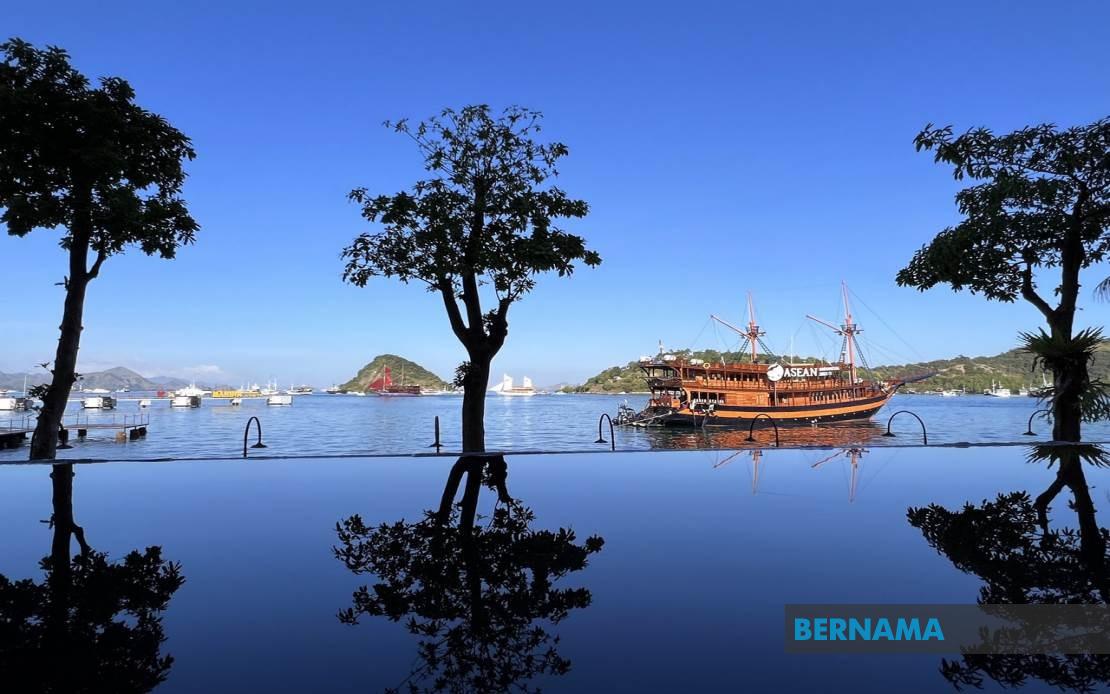
Indonesia's East Nusa Tenggara province remains in the grip of an ongoing seismic crisis following a devastating 7.7-magnitude earthquake centred on Flores Island, with authorities confirming that the death toll has stabilised at 111 people as of late Friday afternoon. What distinguishes this disaster from typical earthquake impacts is the relentless aftershock sequence plaguing the region—the National Disaster Mitigation Agency has documented more than 8,794 aftershocks in the weeks following the initial tremor, a frequency that continues to hamper rescue and recovery efforts and keep residents in a state of heightened anxiety. This prolonged seismic activity is not uncommon for major earthquakes in the volcanically active Indonesian archipelago, yet the scale of aftershocks recorded here underscores the substantial energy release from the initial rupture and raises concerns about structural damage to buildings and infrastructure that may not have been immediately apparent.
In a separate development aimed at strengthening regional maritime connectivity, Aceh's provincial administration is actively reviving its Roll-on/Roll-off shipping initiative that would establish direct linkage between Krueng Geukueh Port in North Aceh and Penang, Malaysia. The ambitious project had been suspended in November 2025 following severe flash flooding that disrupted operations and damaged port facilities. This corridor would facilitate the seamless movement of vehicles and cargo between Indonesian Sumatra and Malaysia's northwestern coast, reducing transit times and logistics costs for businesses operating across the strait. The resumption of development efforts reflects Jakarta's commitment to deepening intra-ASEAN trade infrastructure despite recurring natural hazards that periodically disrupt such ventures.
Myanmar faces mounting environmental pressures as erosion along the Toe River, a tributary feeding into the broader Ayeyarwady system, has compromised sections of the Nyaungdonkyun embankment in Ayeyarwady Region. Emergency response teams comprising police, firefighters, and social rescue units have mobilised to stabilise and repair the damaged embankment, which plays a critical role in protecting surrounding agricultural areas and settlements from seasonal flooding. This erosion incident highlights the vulnerability of Myanmar's crucial river infrastructure to both natural processes and climate-driven changes, particularly as monsoon seasons bring heavier rainfall patterns that intensify riverbank degradation.
Simultaneously, Myanmar's agricultural sector is experiencing expansion through the operations of state-linked agribusiness enterprises. The Myanmar Agribusiness Public Company is now managing 21 dedicated zones for rice production and export across more than 4,000 hectares of land, reflecting a strategic pivot toward capitalising on global grain markets and generating foreign exchange revenue. This expansion programme targets increased productivity through specialised crop management and export infrastructure, positioning Myanmar to compete more effectively in regional and international rice markets where Southeast Asian suppliers dominate global trade flows.
In the Philippines, volcanic hazards have emerged as an immediate concern with the Philippine Institute of Volcanology and Seismology warning residents of potential lahar flows from both Mount Pinatubo and Taal volcano amid intensifying rainfall from the southwest monsoon system. Lahars—rapid flows of volcanic debris mixed with water that can travel at high speeds down river valleys—pose significant risks to communities positioned downslope from active volcanic complexes, and the combination of volcanic susceptibility with heavy precipitation creates compound hazard scenarios that require carefully coordinated early warning systems. These geological threats underscore the Philippines' precarious position within the Pacific Ring of Fire.
President Ferdinand R. Marcos Jr. has framed his administration's immediate priorities around three interconnected policy domains: delivering emergency assistance to disaster-affected populations, advancing healthcare system improvements, and implementing agricultural modernisation initiatives. This strategic clustering of policy attention reflects recognition that the Philippines' development pathway depends upon building resilience to natural hazards, investing in public health infrastructure, and strengthening the agricultural sector that still employs substantial portions of the rural population. The presidential focus on simultaneous implementation across multiple sectors suggests an administration attempting to address both immediate crisis response and longer-term structural challenges.
In Singapore, the Bloomberg defamation case initiated by Senior Minister K Shanmugam and Minister for Trade and Industry (Energy and Industry) Tan See Leng has concluded without appeal, with the media organisation and its journalist choosing not to pursue further legal proceedings. This resolution removes a high-profile dispute between a global news organisation and Singapore's political leadership regarding reporting on governance matters, allowing both parties to move beyond protracted litigation. The outcome reinforces Singapore's robust legal framework regarding reputational protection while also permitting the news cycle to shift toward other policy priorities.
Singapore's Housing and Development Board is accelerating its housing production programme, with hundreds of Built-To-Order flats now under construction in the Sin Ming and Toa Payoh precincts, designed to meet demand for homeownership among younger Singaporeans and young families. These units have been engineered to feature shorter waiting periods than conventional HDB projects, with completion targeted for mid-2030. The acceleration of housing delivery reflects governmental commitment to maintaining housing affordability and accessibility in a city-state experiencing sustained population growth and sustained demand for residential stock.
Vietnam's maritime authorities continue intensive search and rescue operations in Da Nang City following the loss of a commercial fishing vessel that carried 49 crew members and encountered severe weather conditions, with 32 rescued thus far and operations ongoing for the remaining missing personnel. These fishing incidents remain regular occurrences within Vietnam's extensive offshore sector, highlighting the occupational hazards faced by the nation's fishing fleet operating in Southeast Asian waters. The incident underscores the importance of maintained search and rescue capabilities and improved safety protocols within the maritime industries that generate substantial employment and economic value across the region.
Beyond immediate crisis management, Hanoi is embarking upon two major railway infrastructure projects designed to comprehensively reorganise the capital's rail transport network and enhance inter-regional connectivity by alleviating existing infrastructure bottlenecks. These transportation investments form part of Vietnam's broader strategy to modernise logistics systems and integrate regional economies more effectively through improved physical connectivity. Such infrastructure development initiatives, while less immediately dramatic than natural disasters, represent the foundational investments that will determine long-term regional competitiveness and economic growth trajectories across Southeast Asia's interconnected markets.

